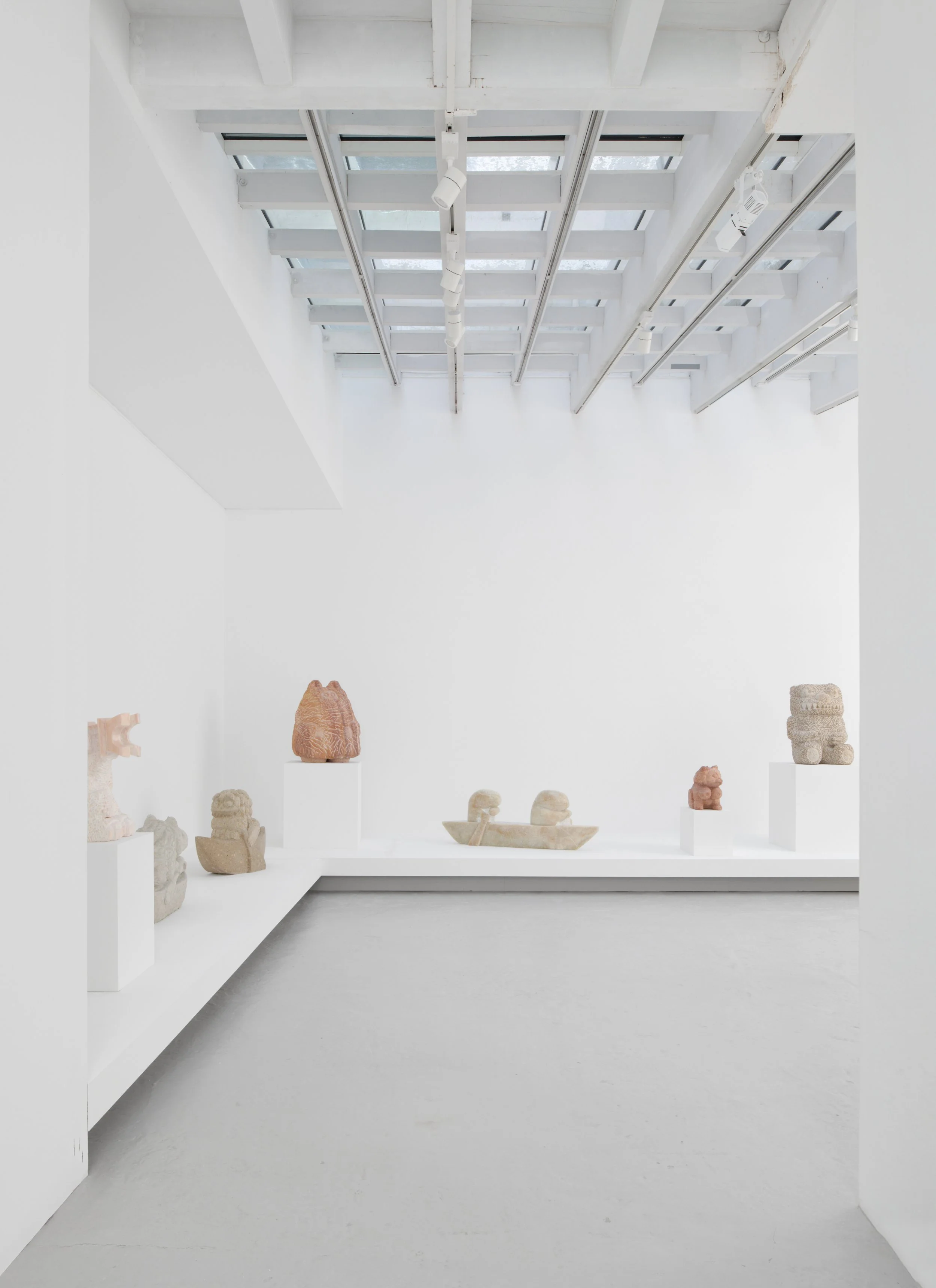
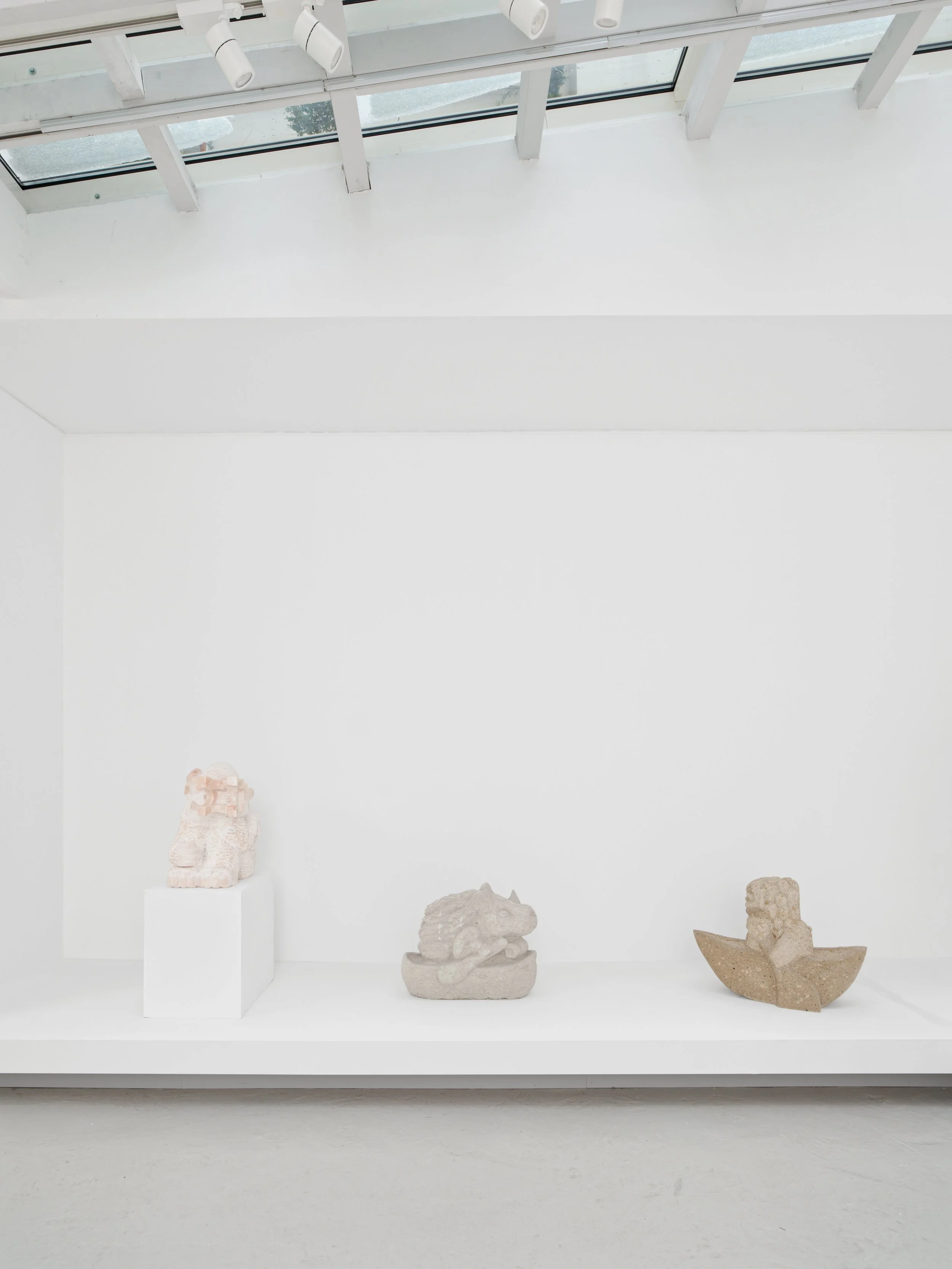
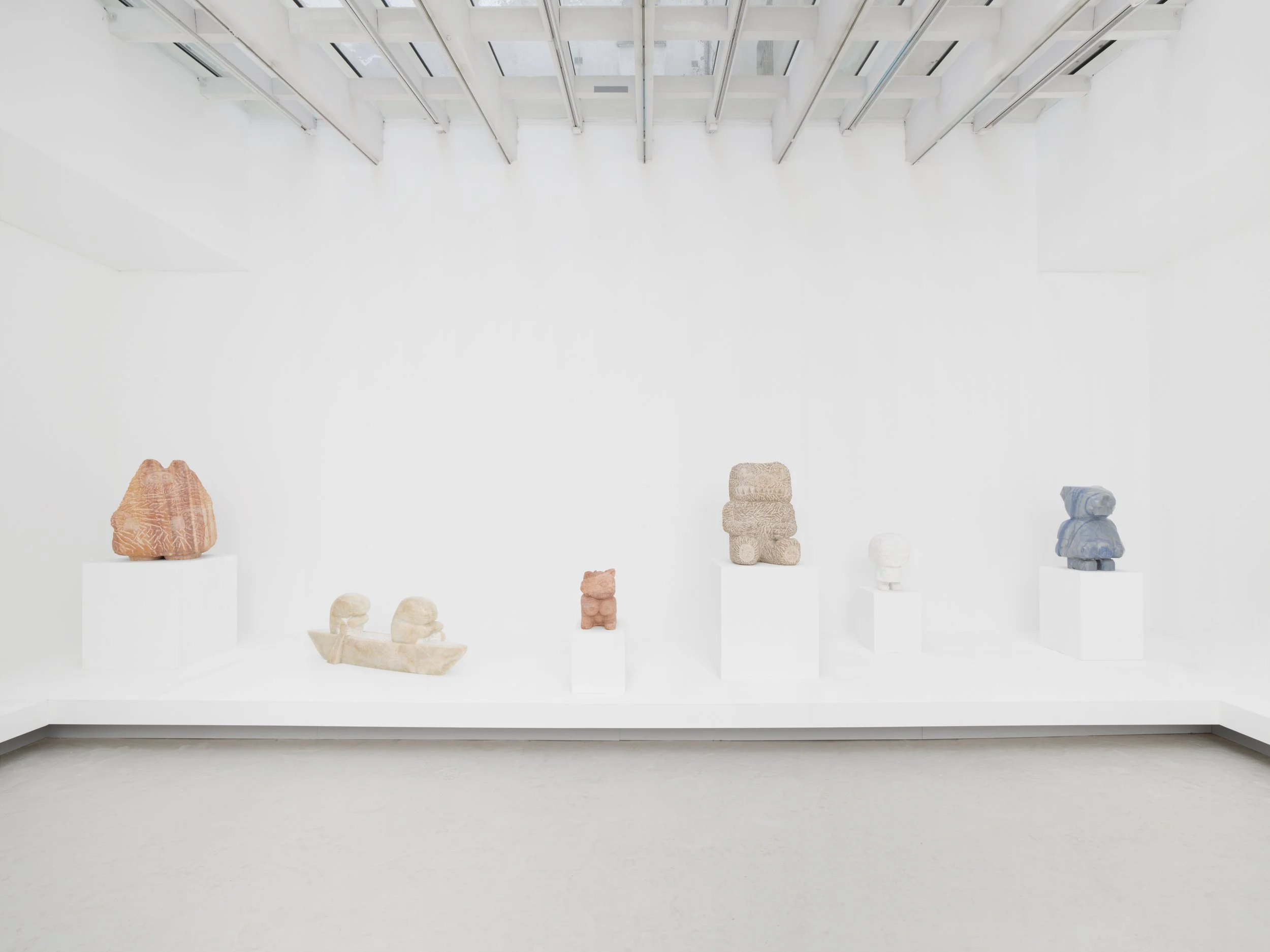
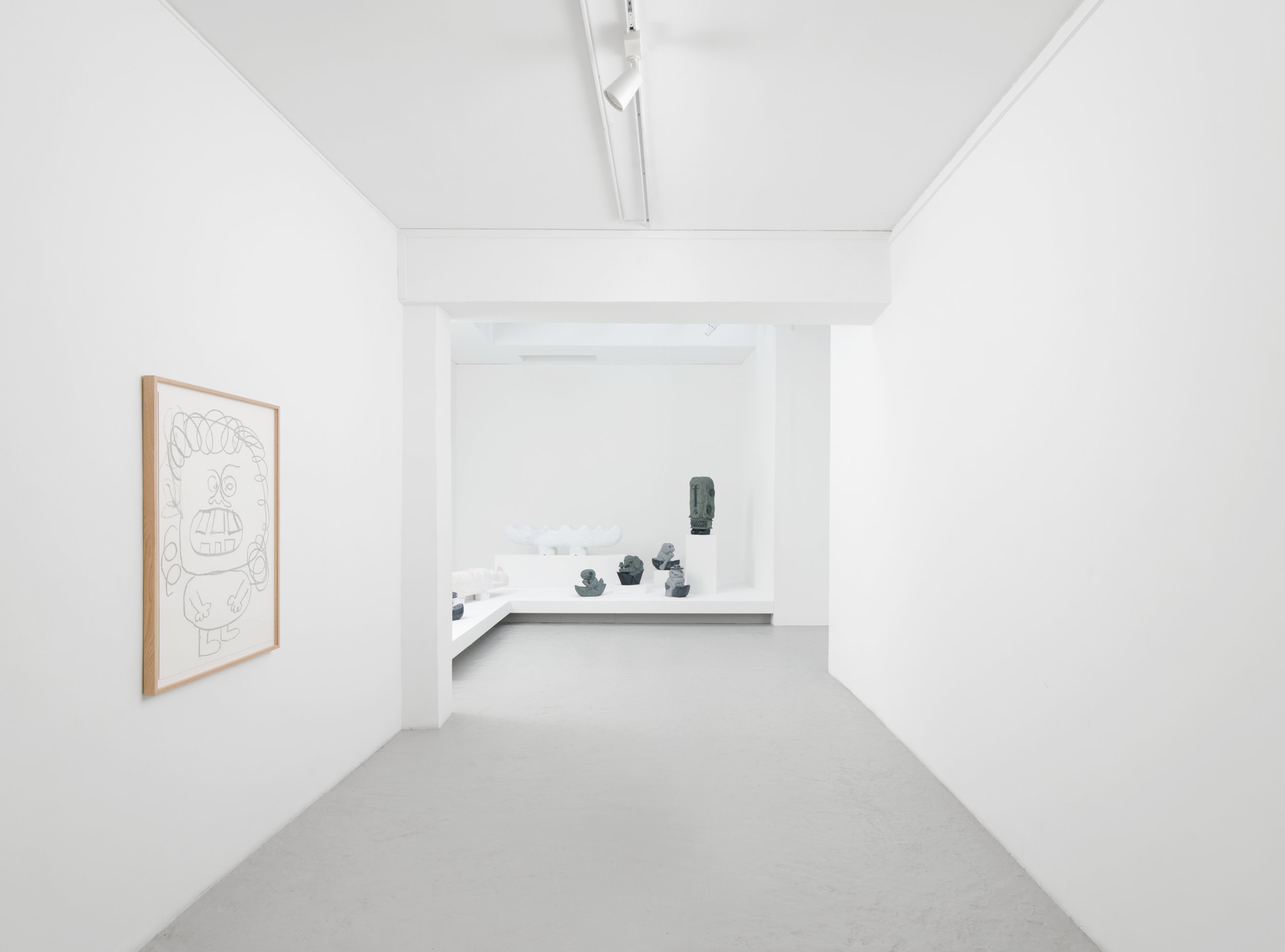
Carving Time: Between Medieval Shadows and Contemporary Irony with Stefan Rinck
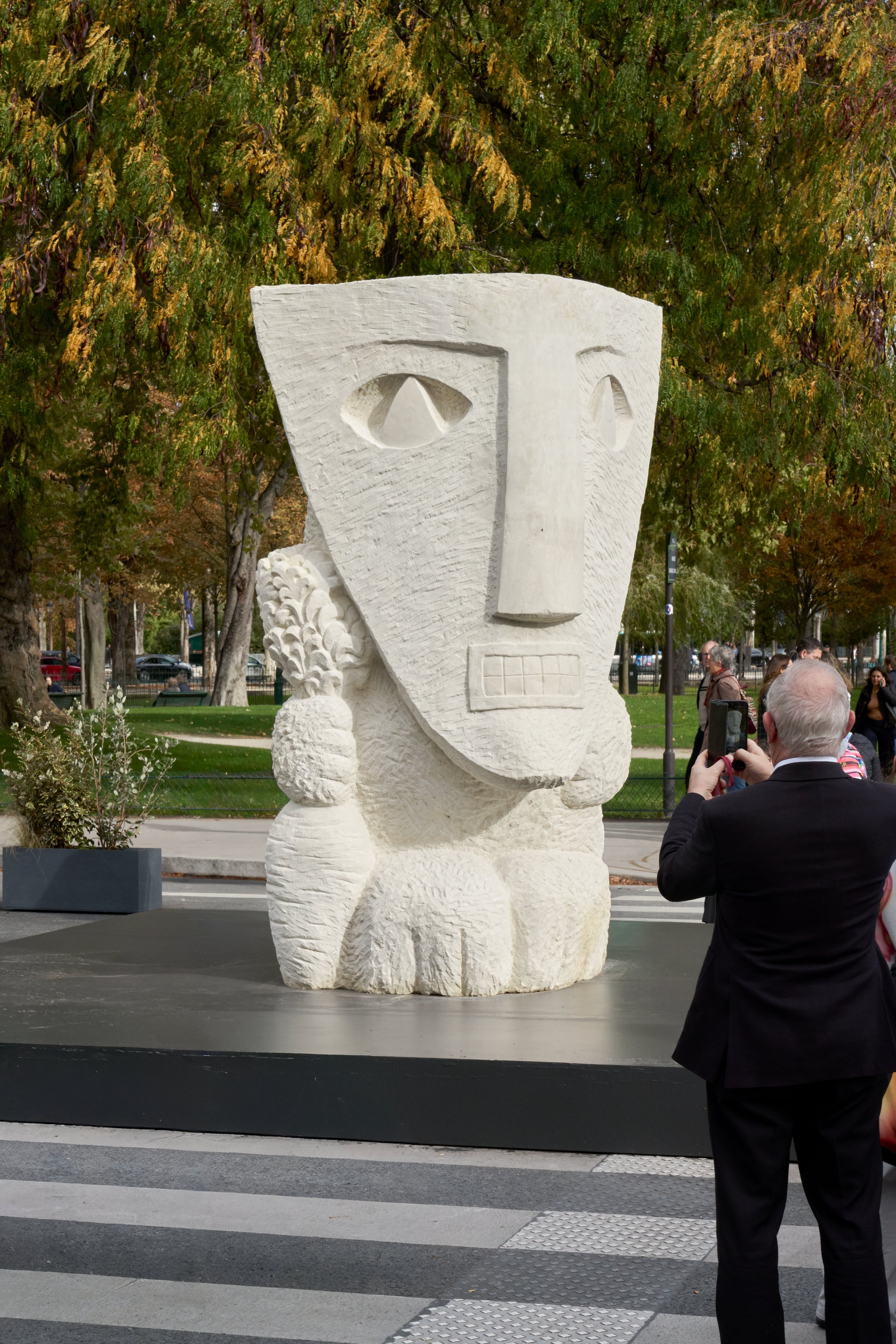
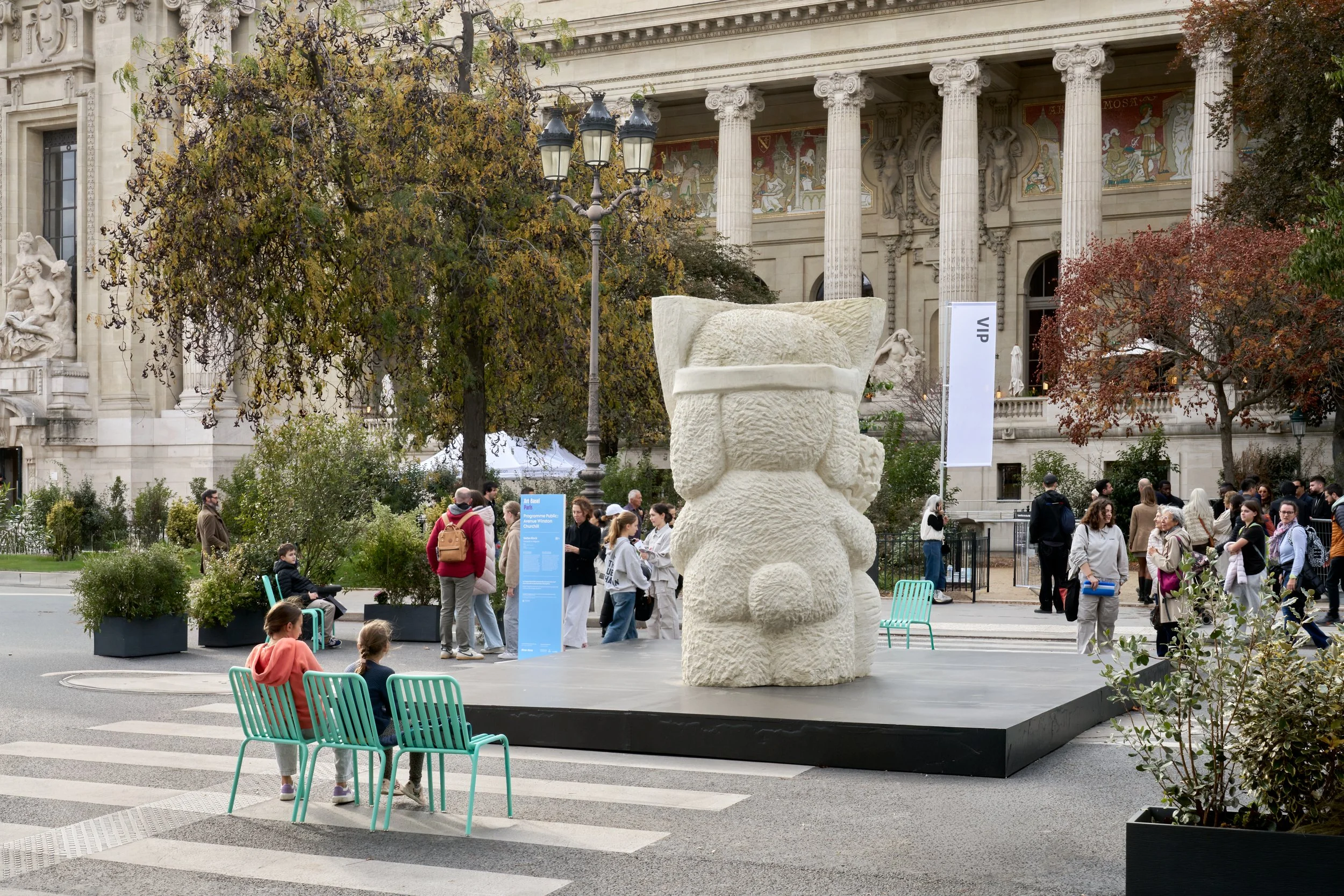
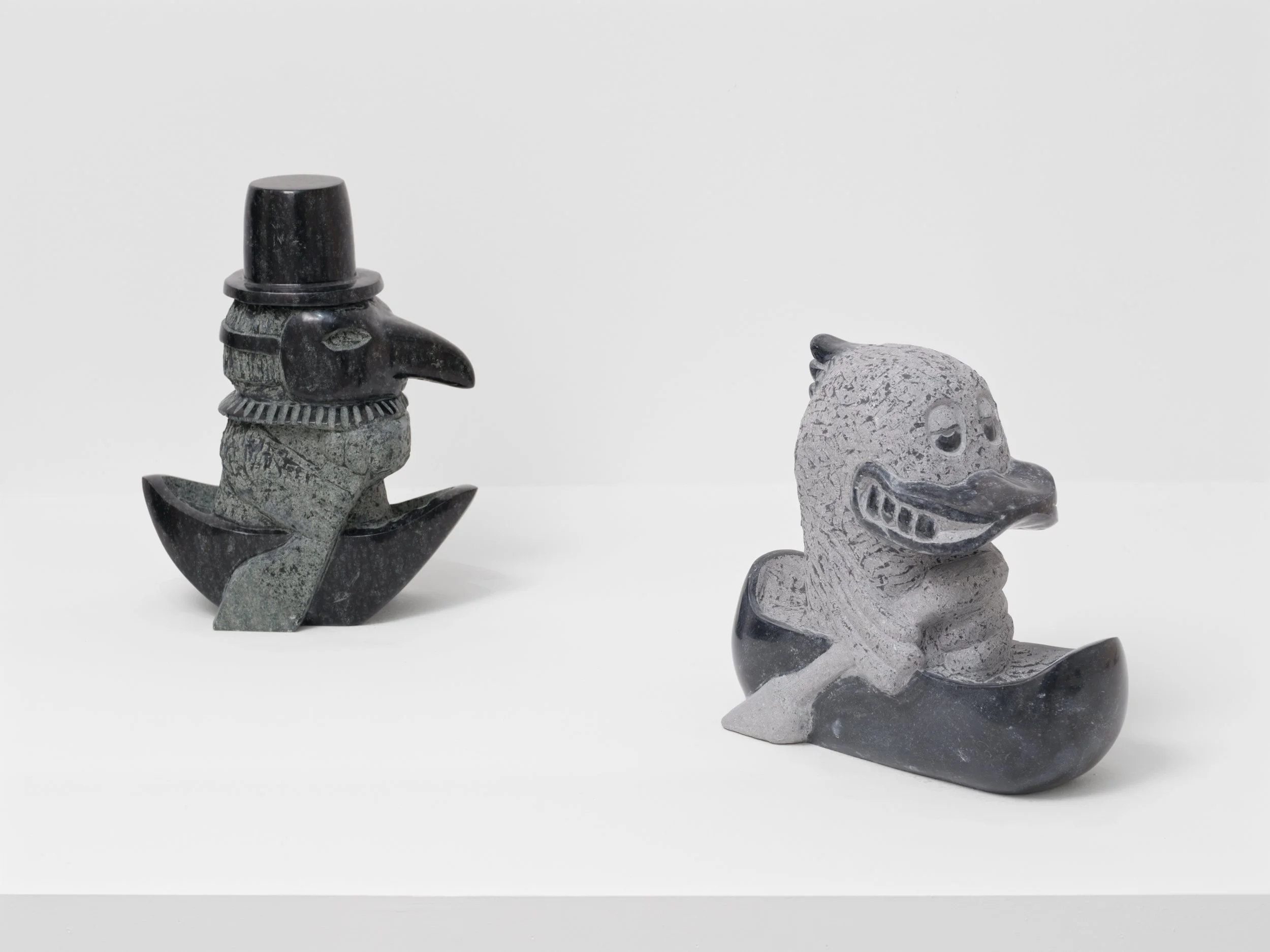
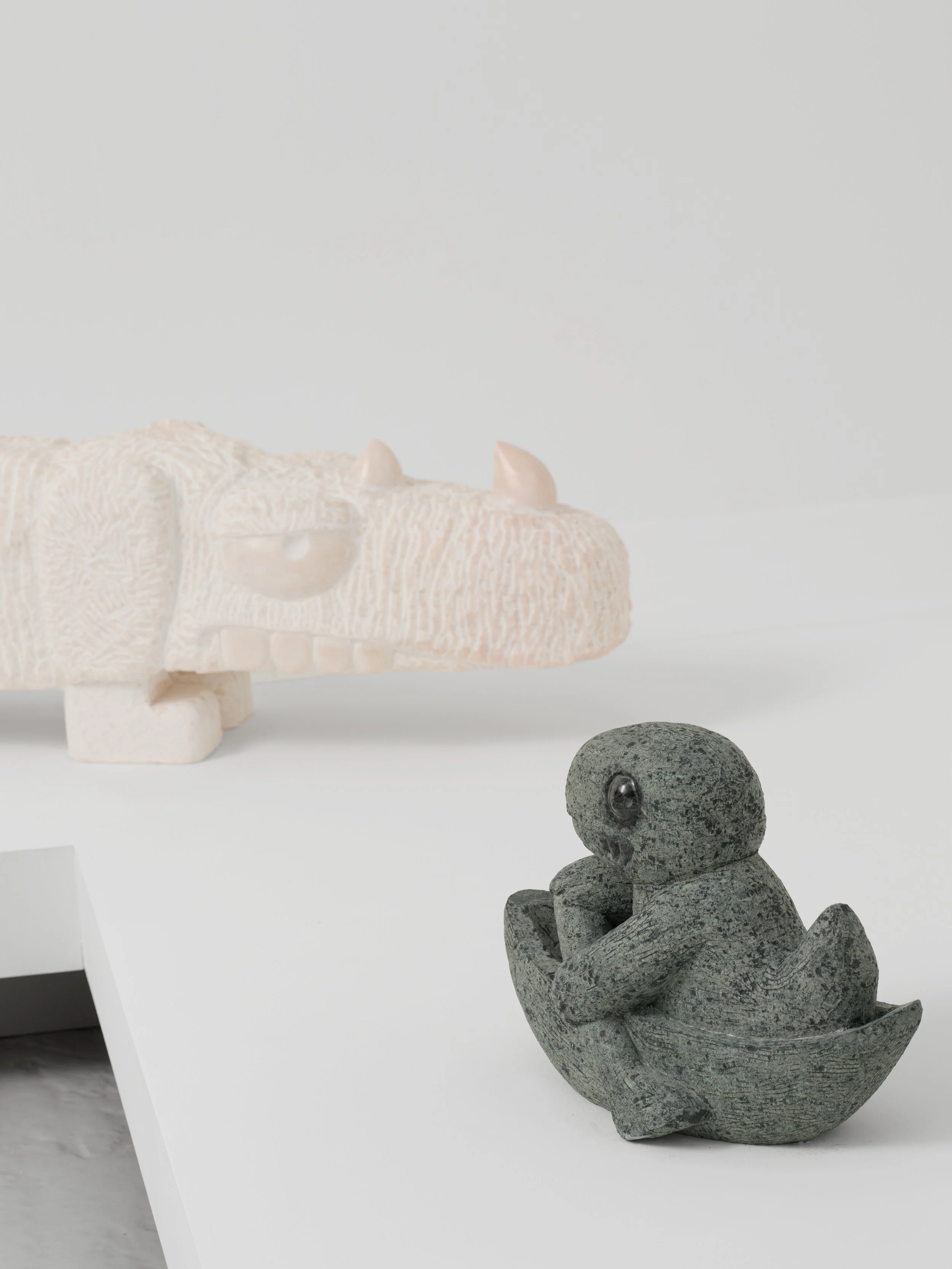
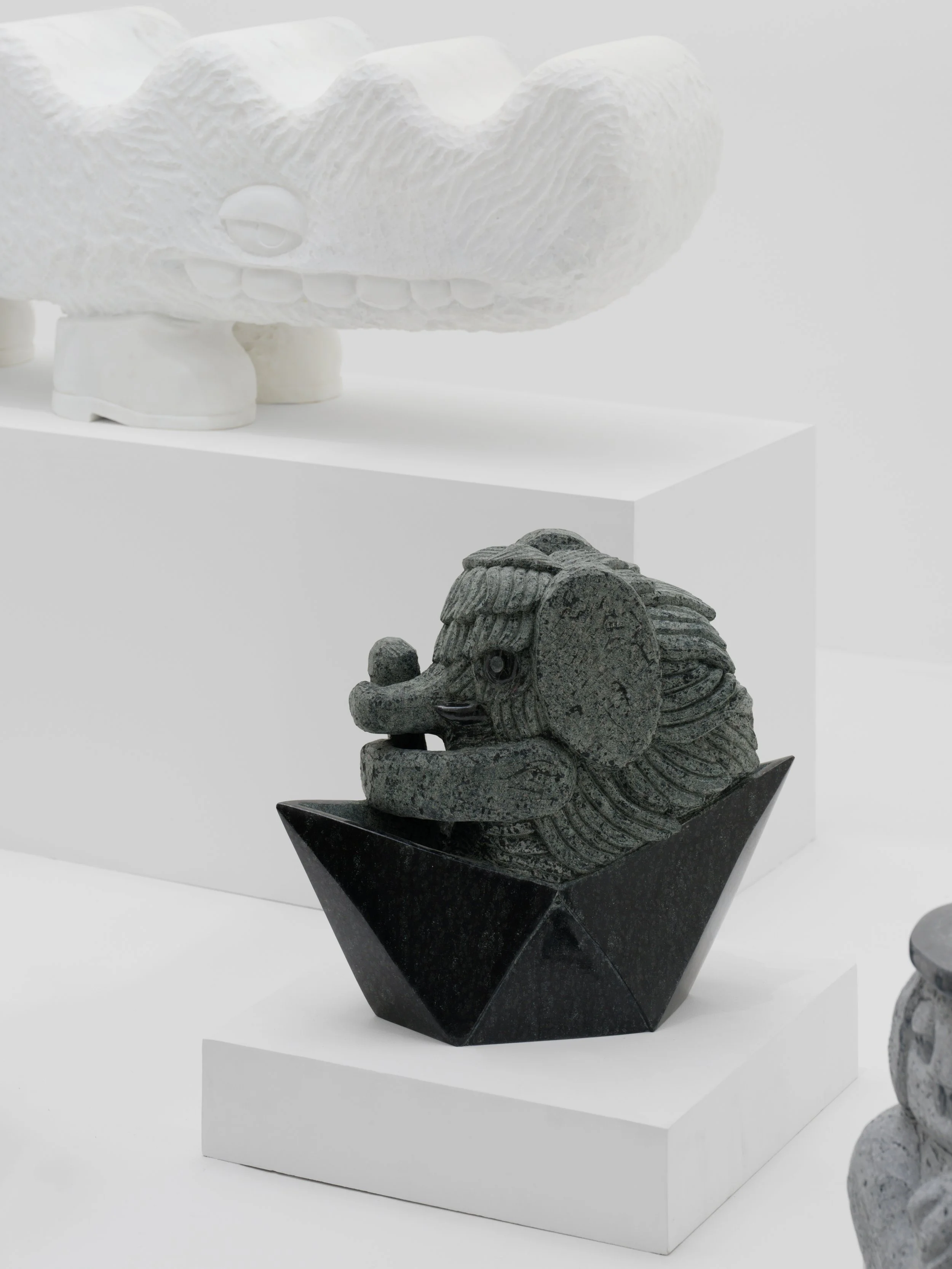
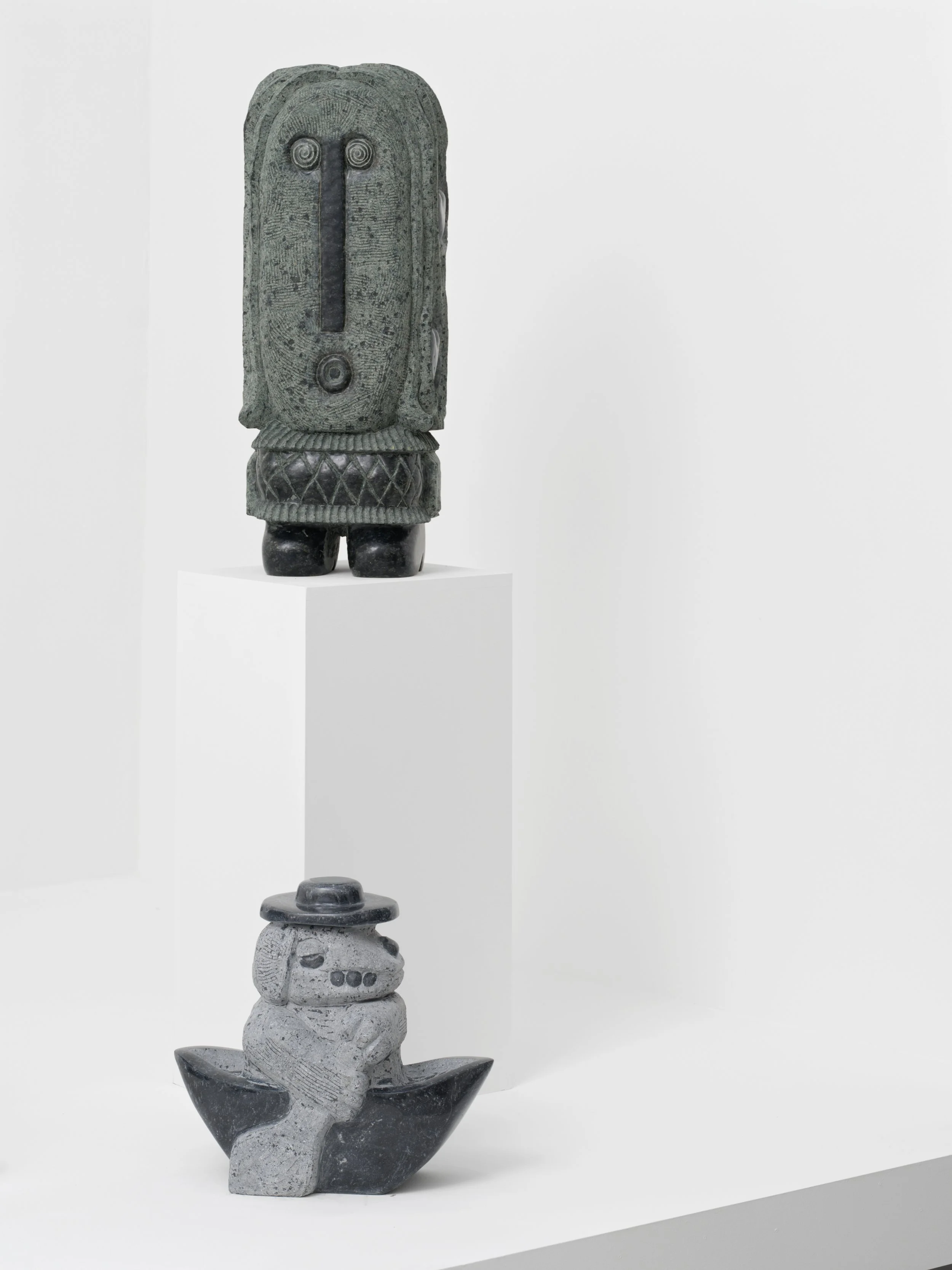
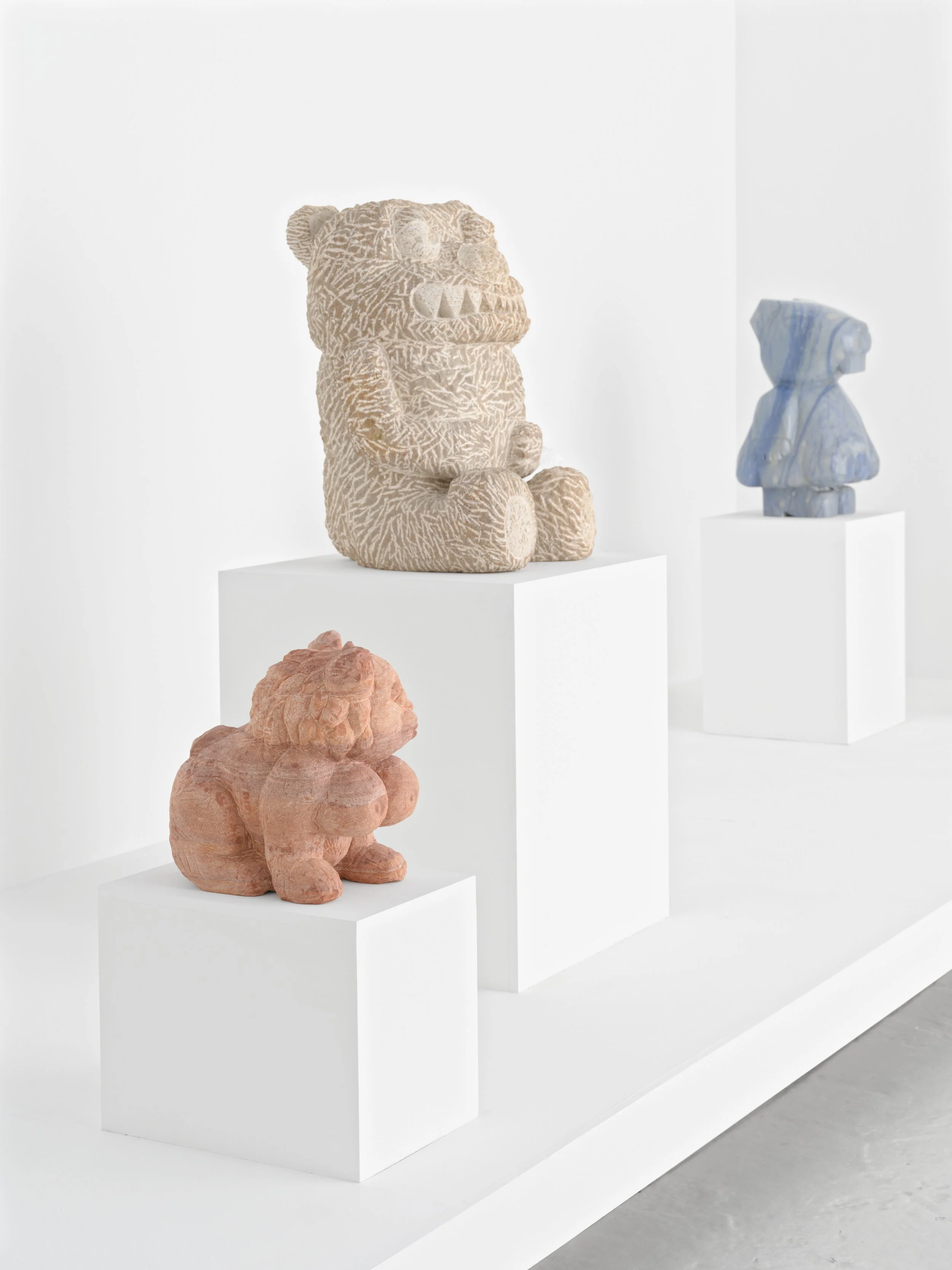
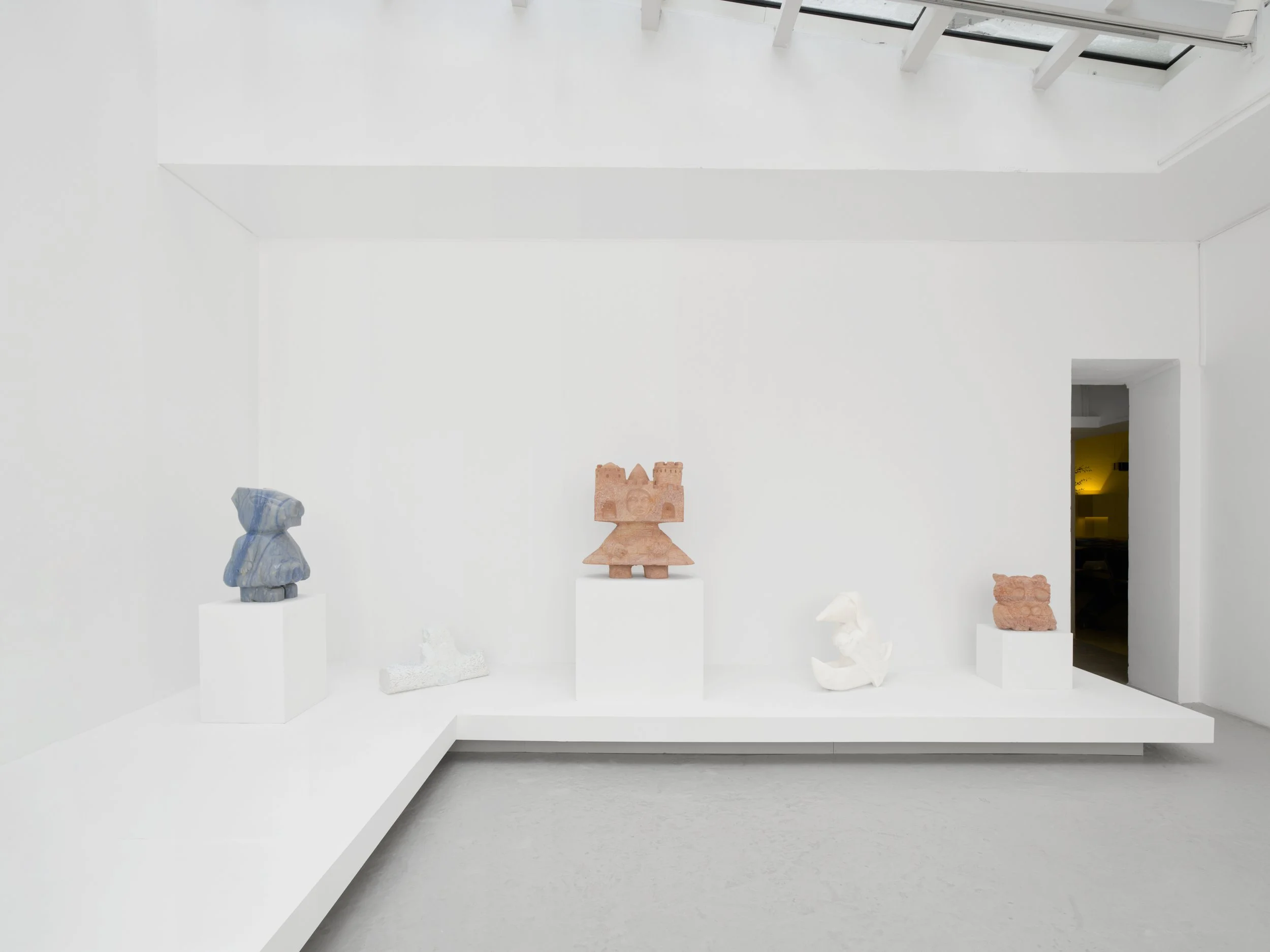
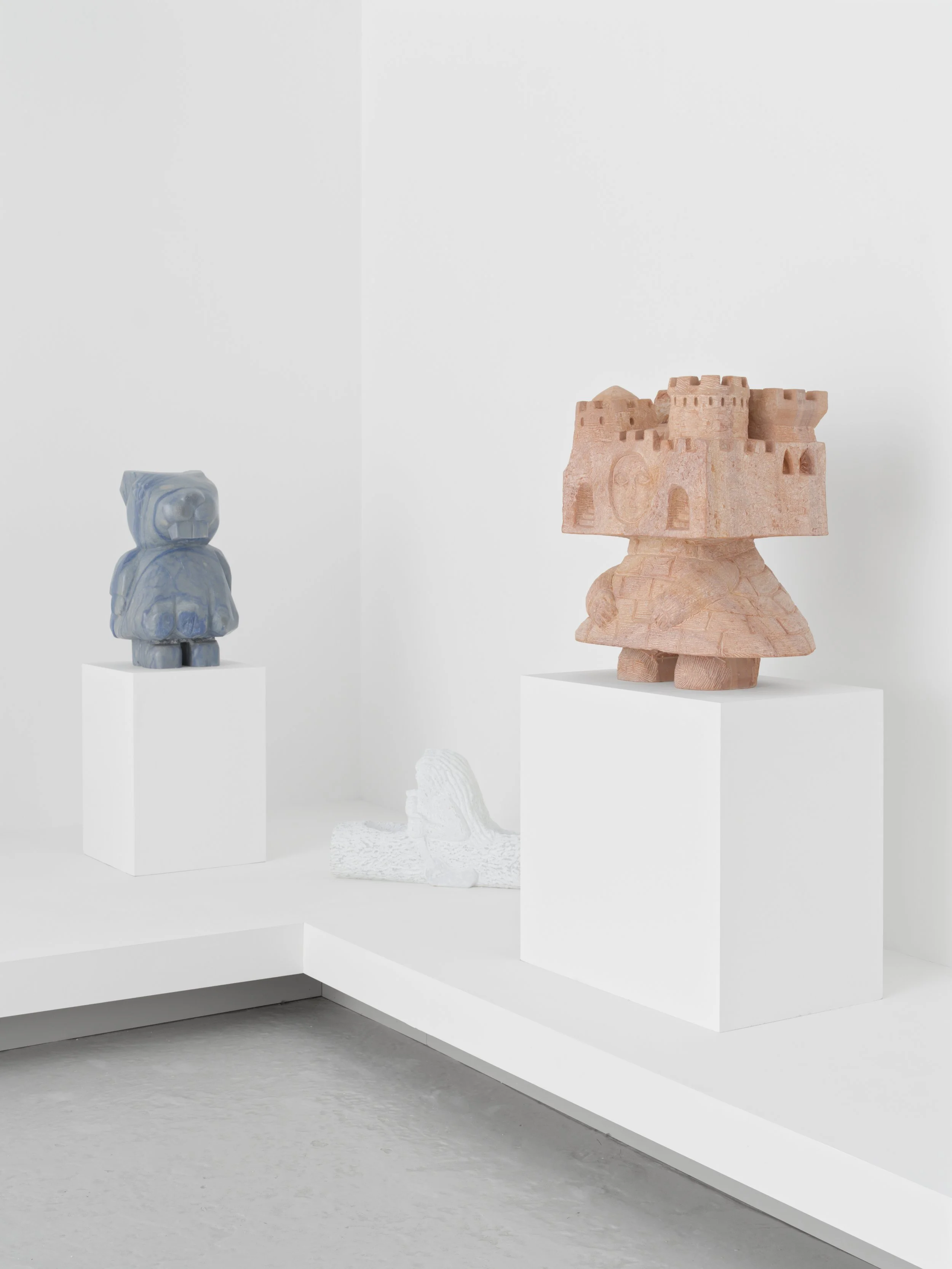
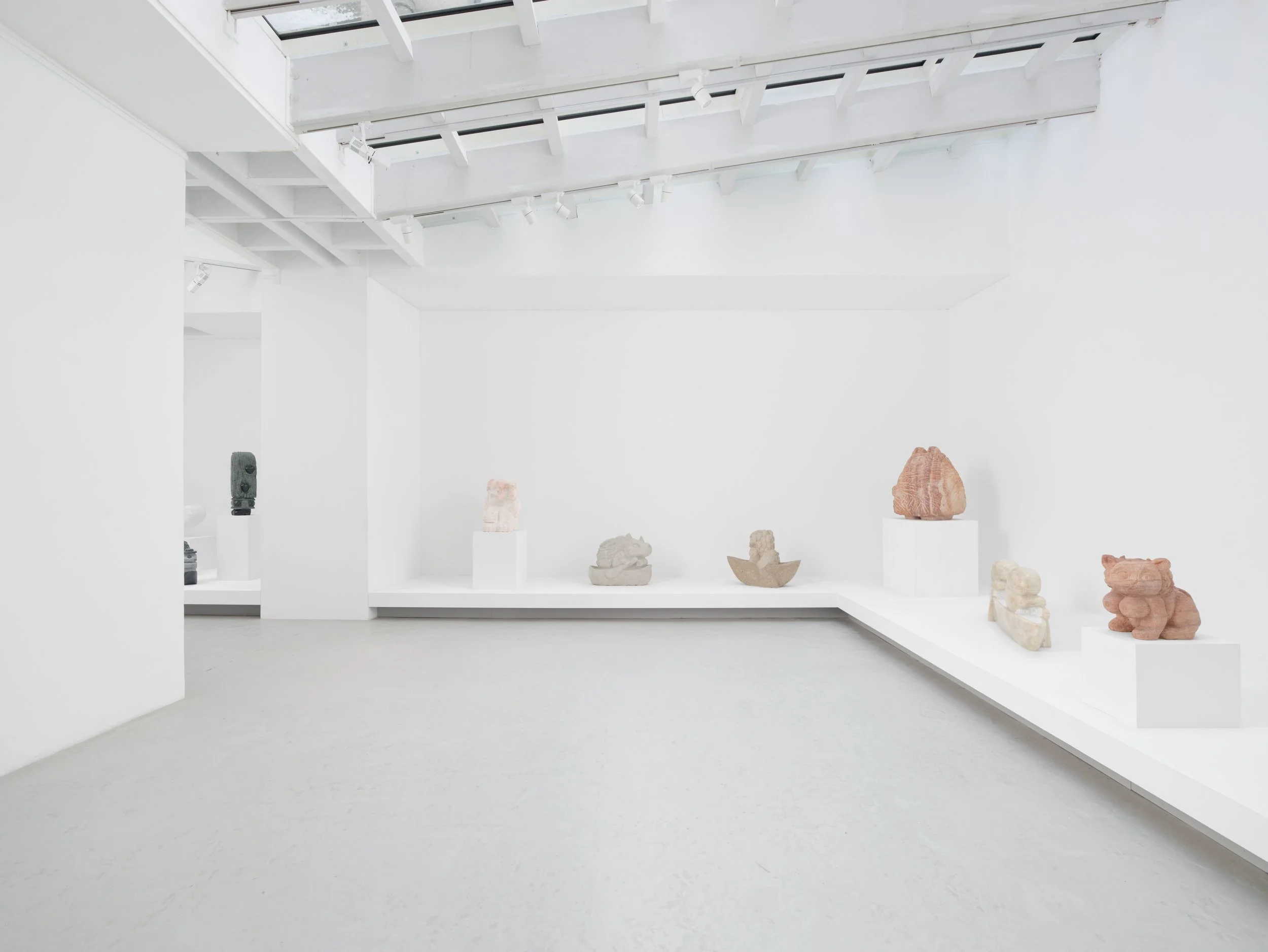
In an era driven by speed, images, and digital saturation, Stefan Rinck chooses to slow everything down—working with stone, one of the oldest and most enduring materials in art history. His sculptures, at once archaic and strikingly contemporary, evoke a world of forgotten mythologies, grotesque figures, and medieval echoes. But beneath their rough surfaces lies a subtle tension between humor and philosophy, memory and invention.
Rather than reconstructing the past, Rinck reshapes it—using the visual language of the Middle Ages not as nostalgia, but as a lens to question our present. His practice navigates between craftsmanship, storytelling, and reflection, where each chisel mark becomes both a gesture and a thought.
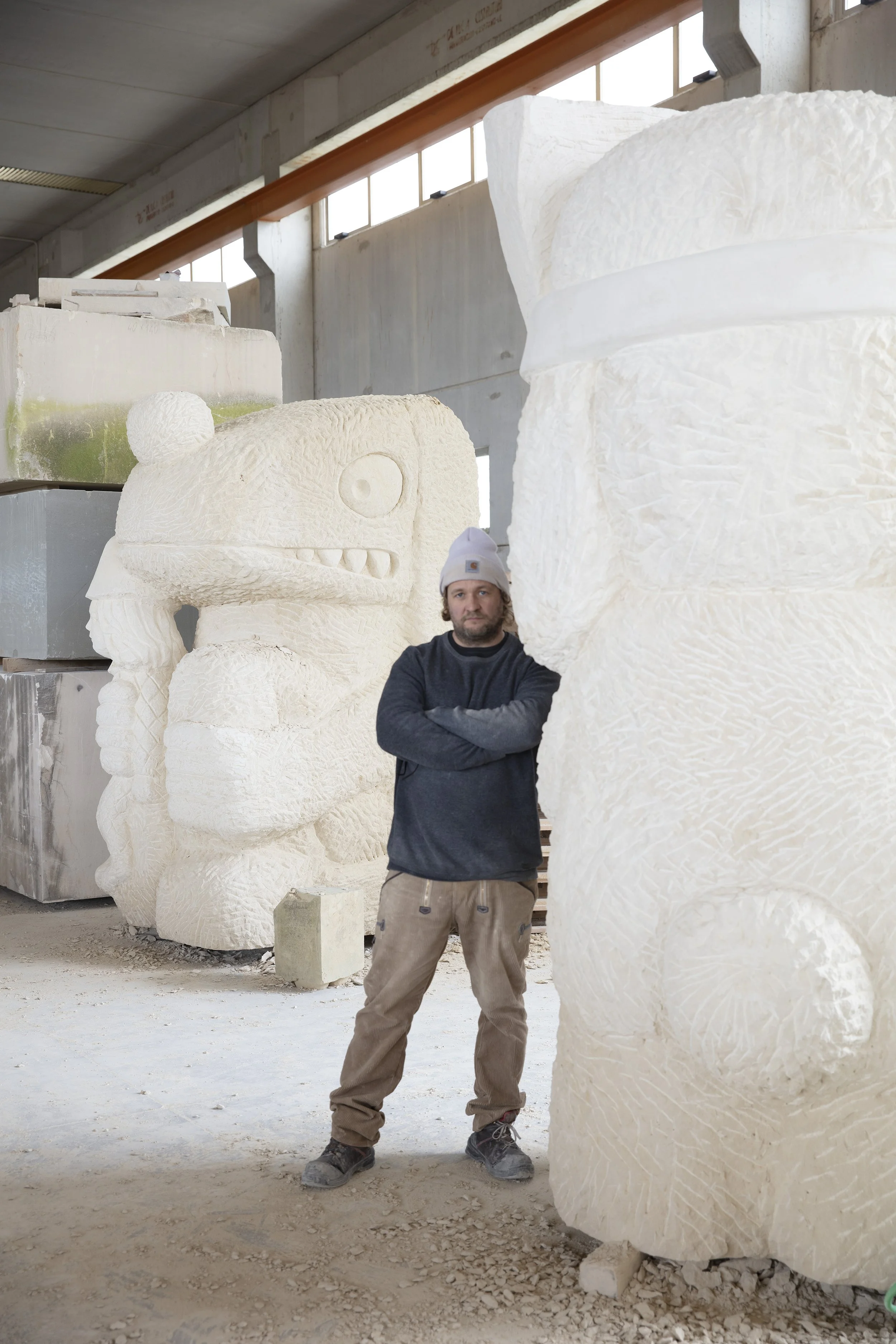
Stefan Rinck In this conversation, recorded in Bangkok, the artist reflects on time, material, mythology, and the quiet power of sculpture in a world that rarely pauses.
Special Thanks to Semiose Galerie.
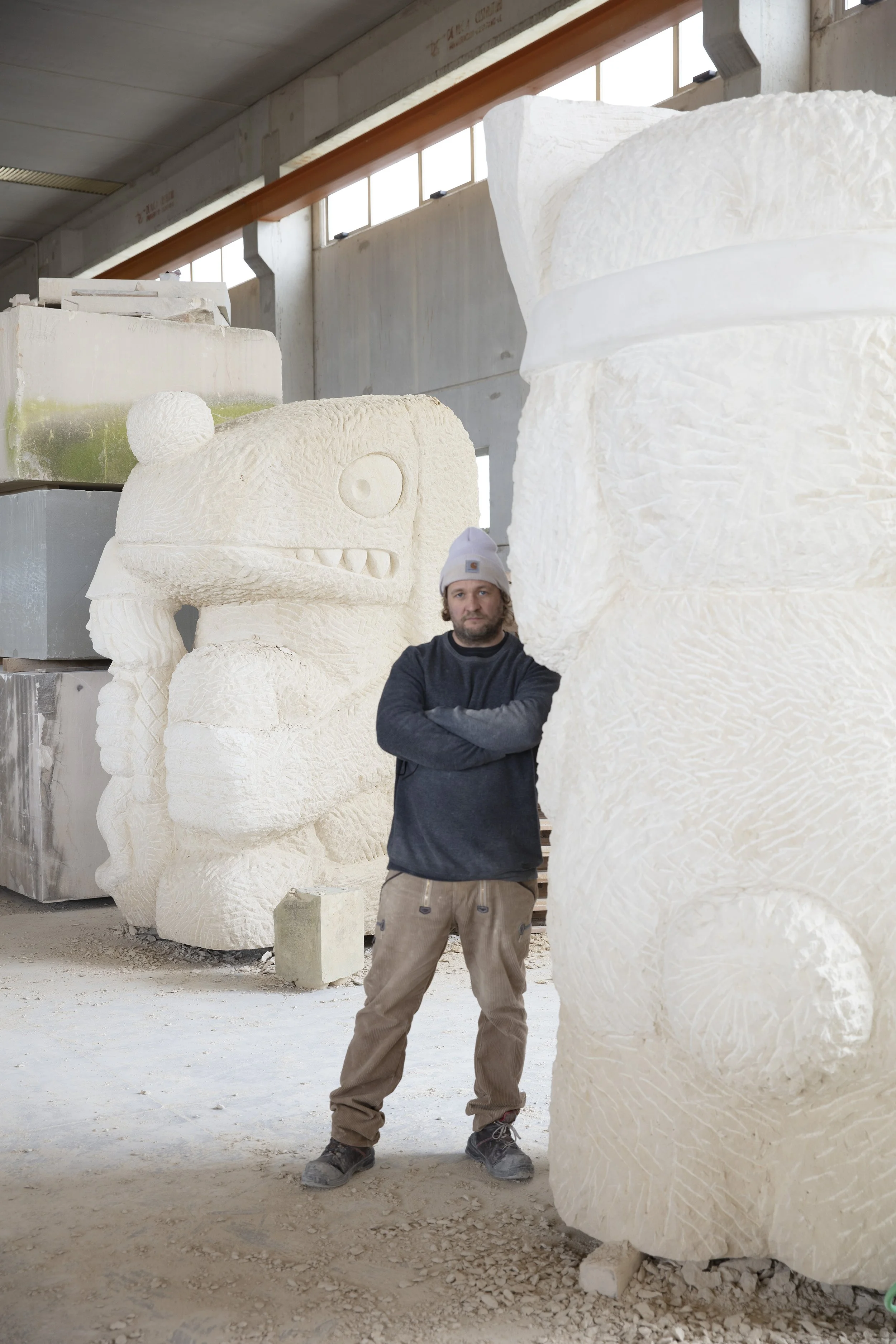
Your sculptures immediately evoke the medieval period. Do you see the Middle
Ages as a historical reference, or as a mirror of our contemporary world?
The fascination for the Middle Ages is very contemporary. The modern world doesn't have the dark forests anymore where the people have been scared from the animals, witches and dragons. The people are longing for this mysterious dark ages.
Many people think your work is nostalgic, but it often feels ironic. Are you reconstructing the past, or gently mocking our idea of it?
Mnemosyne is the goddess of the memory and one of the strongest muses for thearts. So there is a lot of nostalgic in the oeuvre. But to get not to melancholic I try
to break it with humor.
When did you first realize that medieval sculpture could be a language for contemporary art rather than archaeology?
It was during my studies at art academy where I did a copy of a medieval protective mantle madonna bas relief with a micro change. It turned out quite contemporary.
You work with stone — one of the oldest sculptural materials. What does stone
allow you to say that other materials cannot?
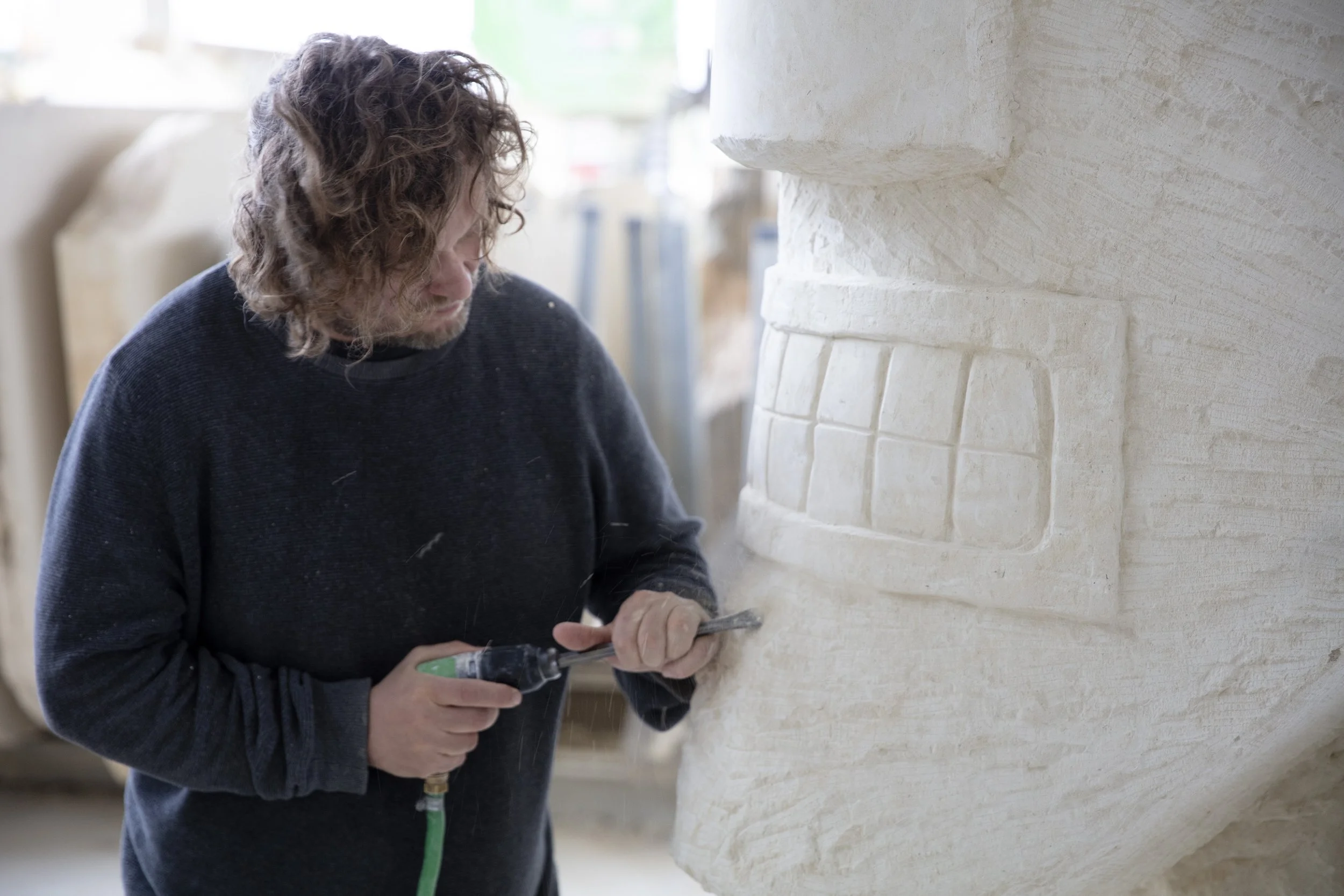
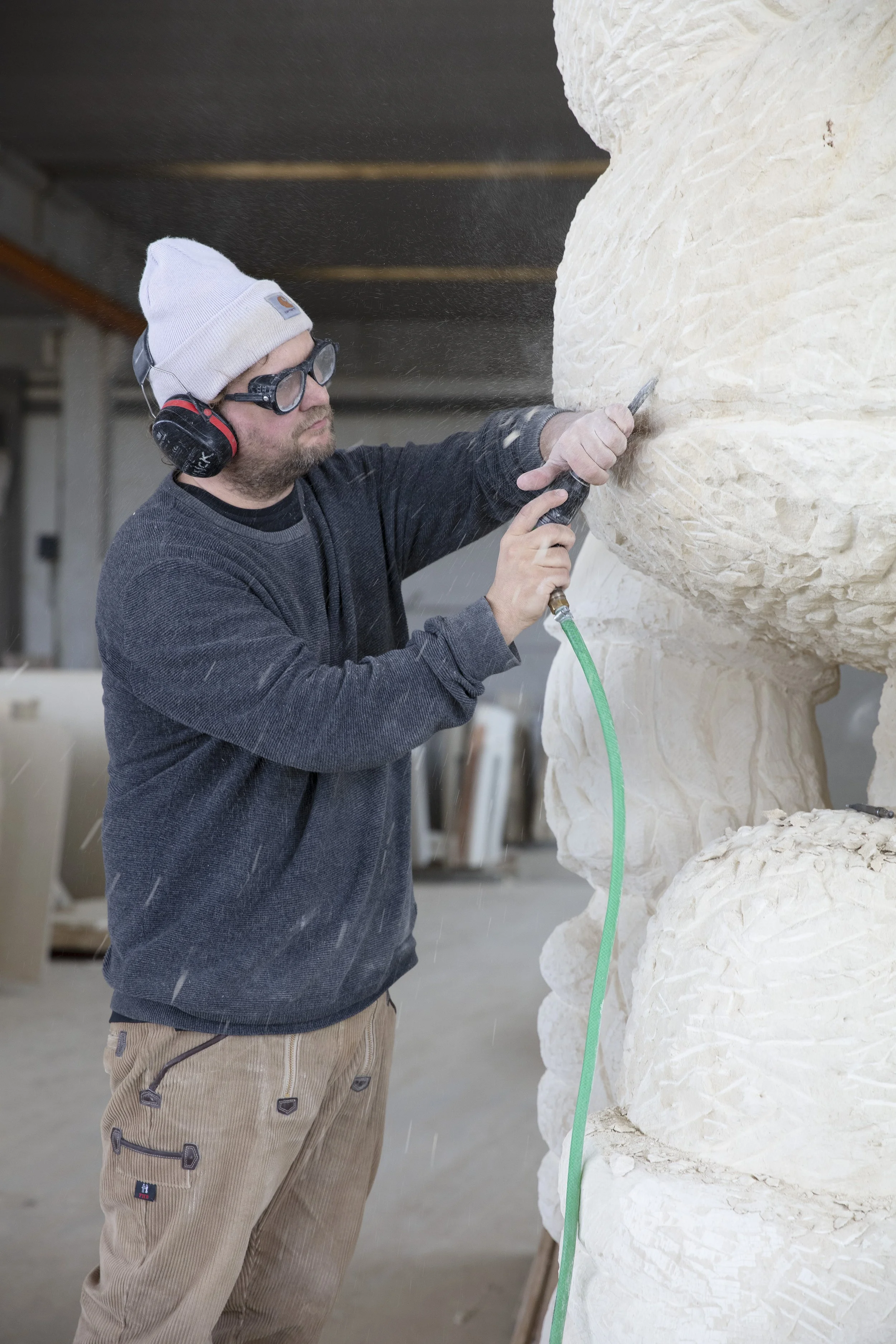
The material stone has a certain aura and it allows me to work in a brutalistic and sensitive way at the same time.
Your figures look primitive at first glance, yet they are extremely intentional. How much of the final form is planned, and how much appears during the carving process?
I would say 50% is planned and the other 50% appears during the carving process, but it varies from sculpture to sculpture.
Do you see carving as a physical act, a mental exercise, or almost a spiritual ritual?
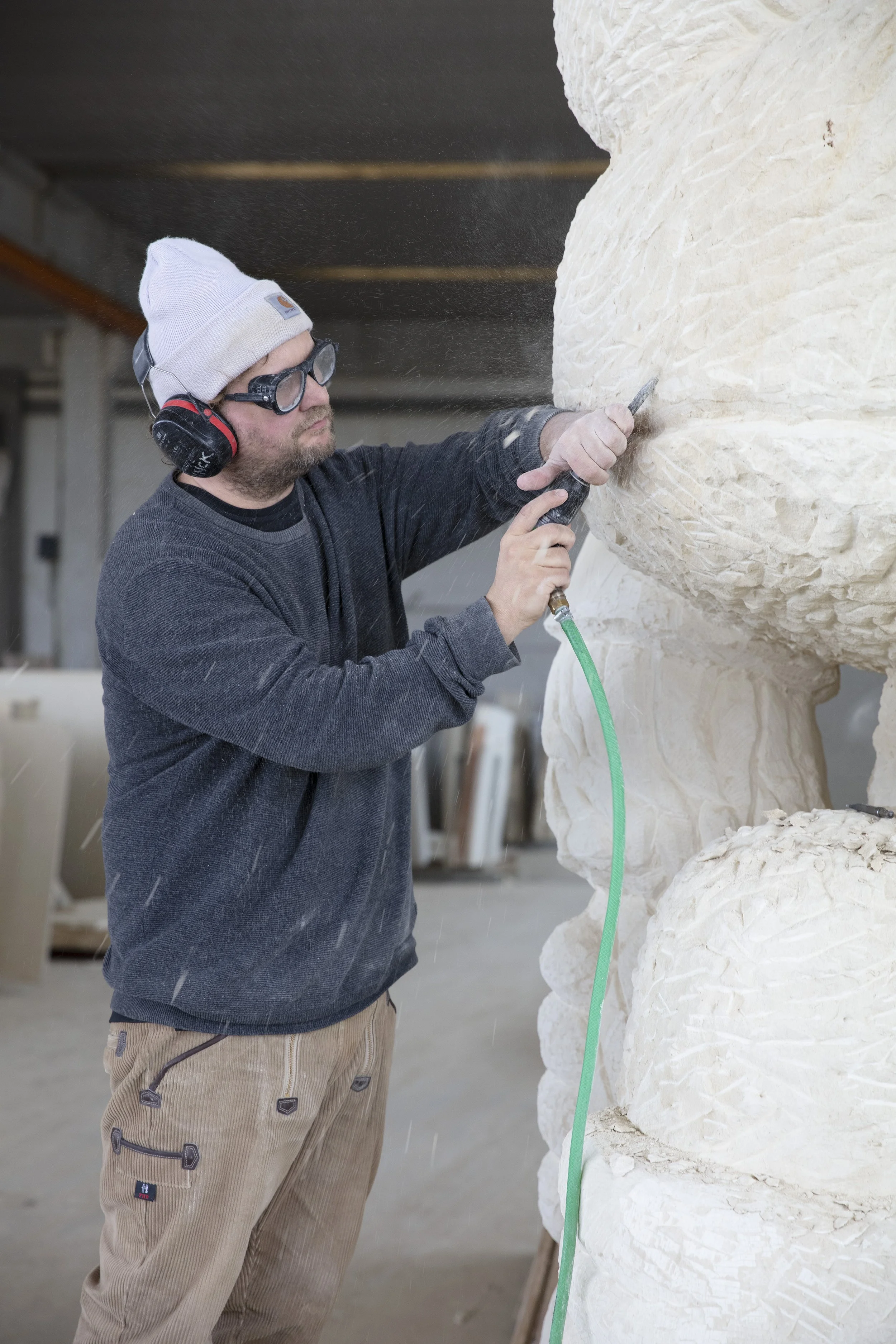
It’s all of it. But first of all it’s very physical.
The chisel leaves visible marks on your sculptures. Is the trace of the gesture as important as the figure itself?
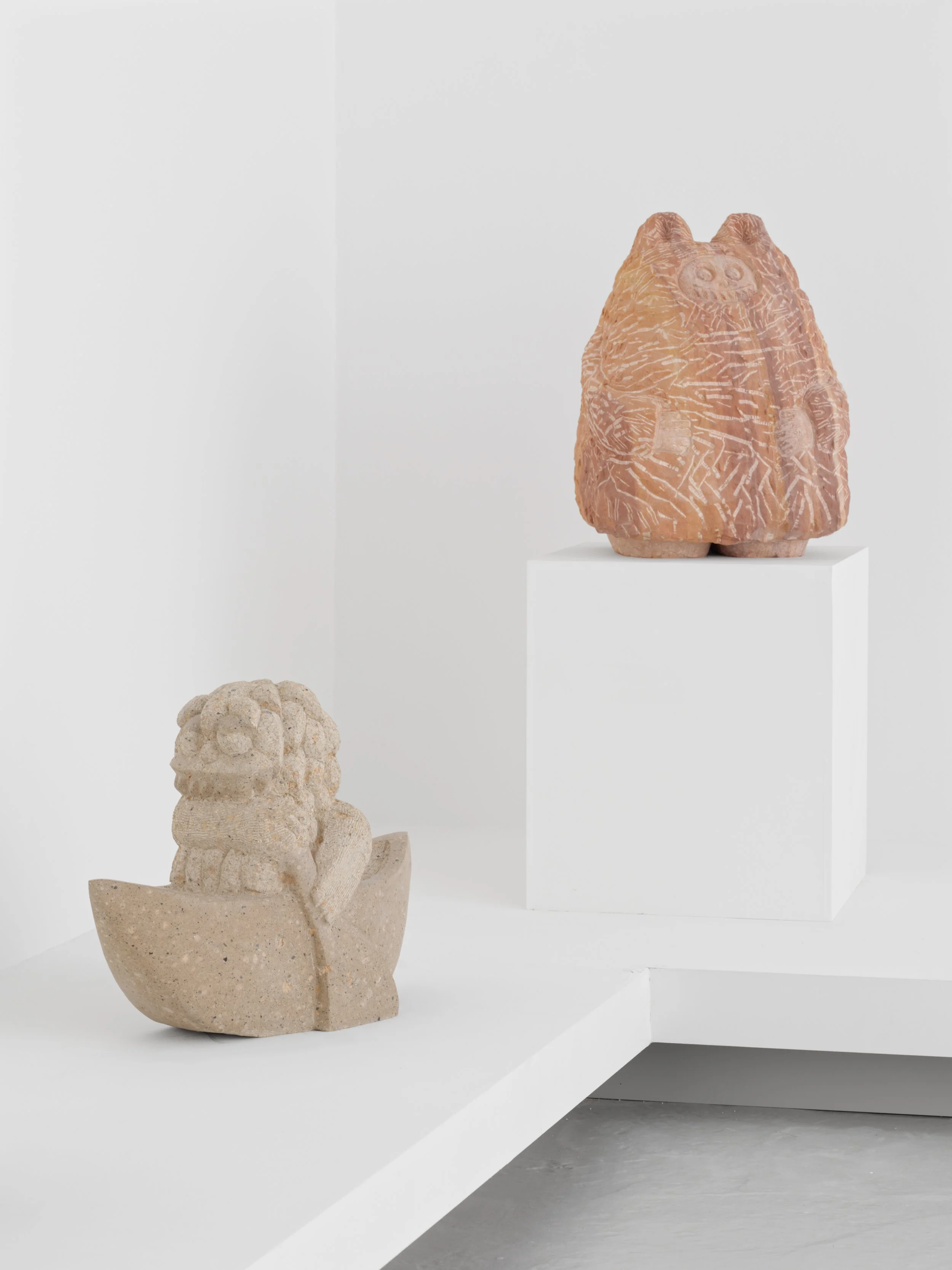
The chisel traces are like a drawing in stone. These traces are a secondary side effect but very important, because they keep the sculpture alive.
Your characters often appear grotesque, humorous, even absurd. Is humor a tool for making philosophy more accessible?
I think humor is a good access. I always loved humor in arts and philosophy.
Your titles sometimes feel like short philosophical texts. Does literature play a role in the conception of your sculptures?
Yes. The works are inspired by literature. Sometimes I try to translate poems into sculpture.
There is a tension in your work between sacred and ridiculous. Are your figures
closer to saints or to fools?
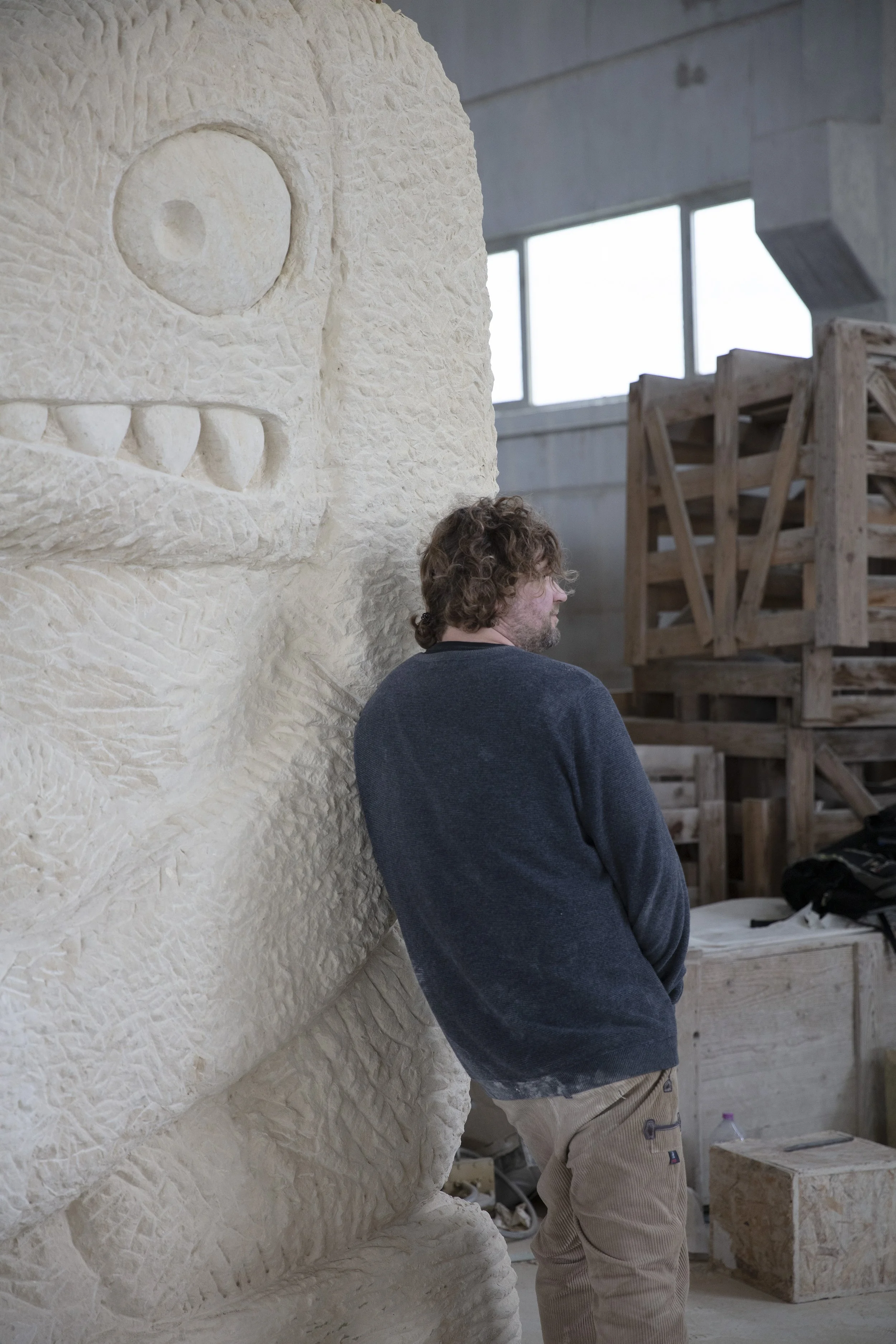
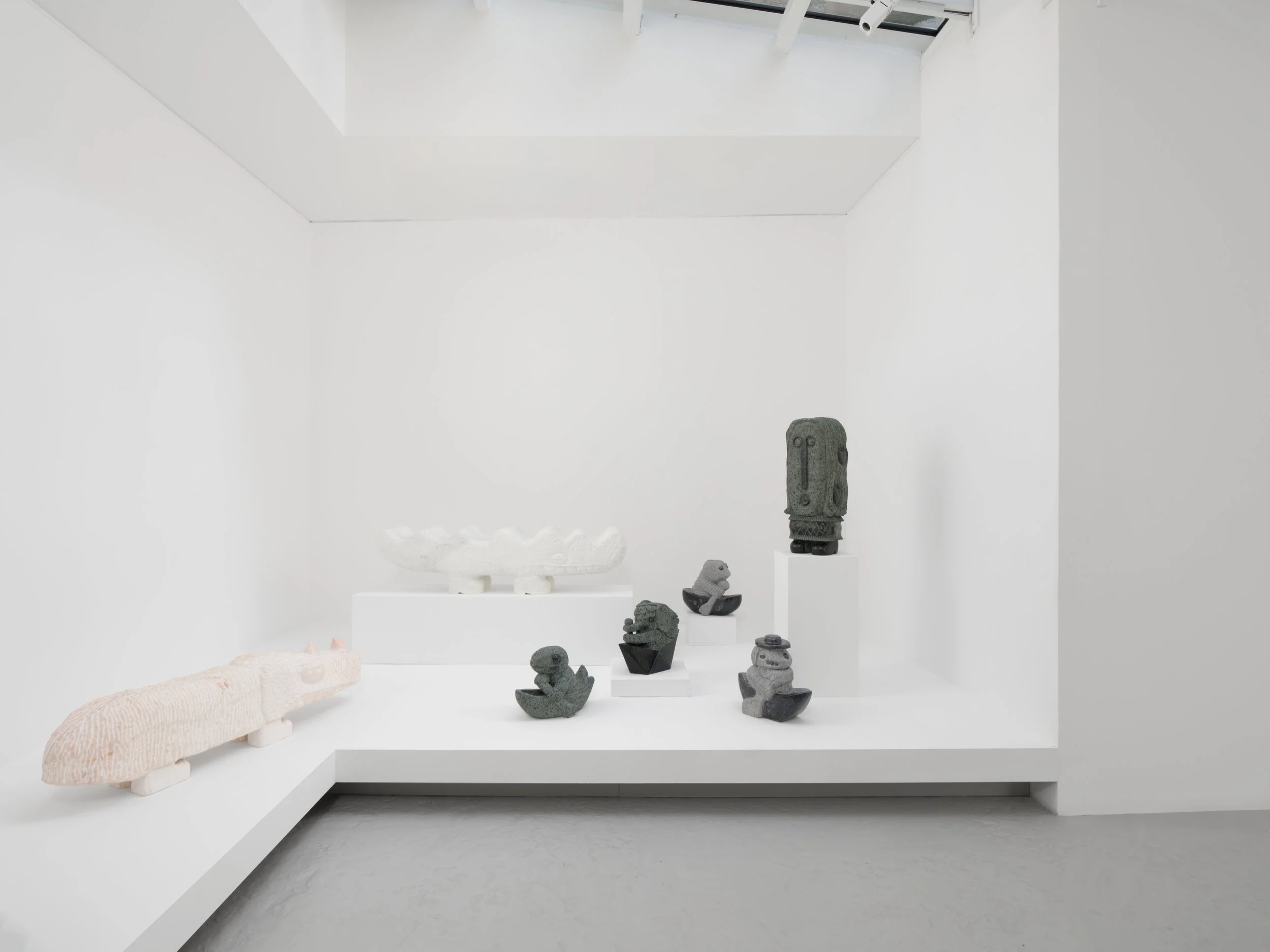
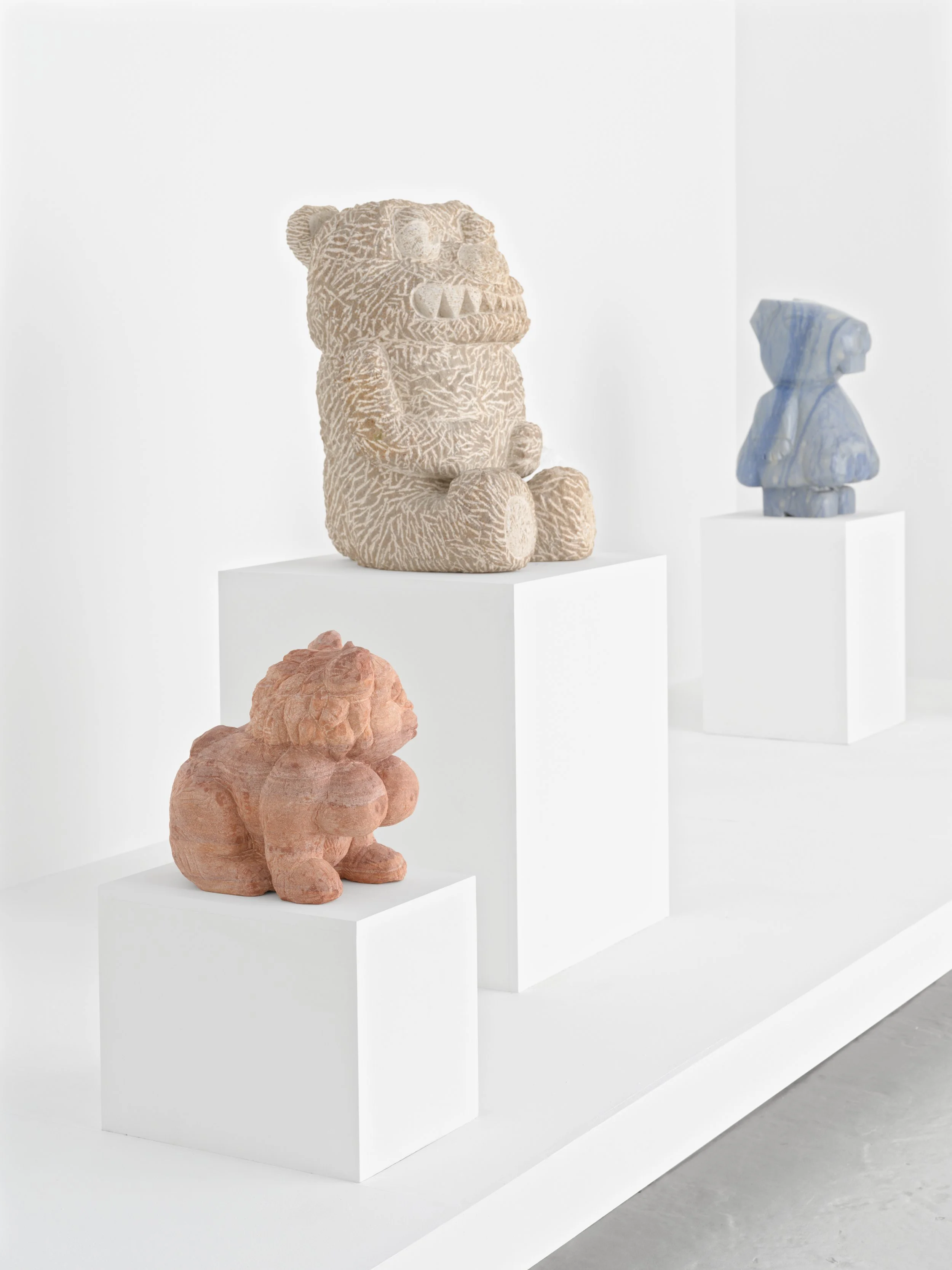
I consider the figures sometimes as a bit awkward quarter-size gnomes but powerful. Fools appear in my oeuvre as little human figures which I give my monster to eat or to play with.
Many of your sculptures look like they belong to a forgotten mythology. Are you inventing a new belief system?
I search for forgotten mythology that has fallen into oblivion, and I want to breathe new life into it.
Your sculptures look ancient but they are unmistakably contemporary. How do you
position yourself in relation to time?
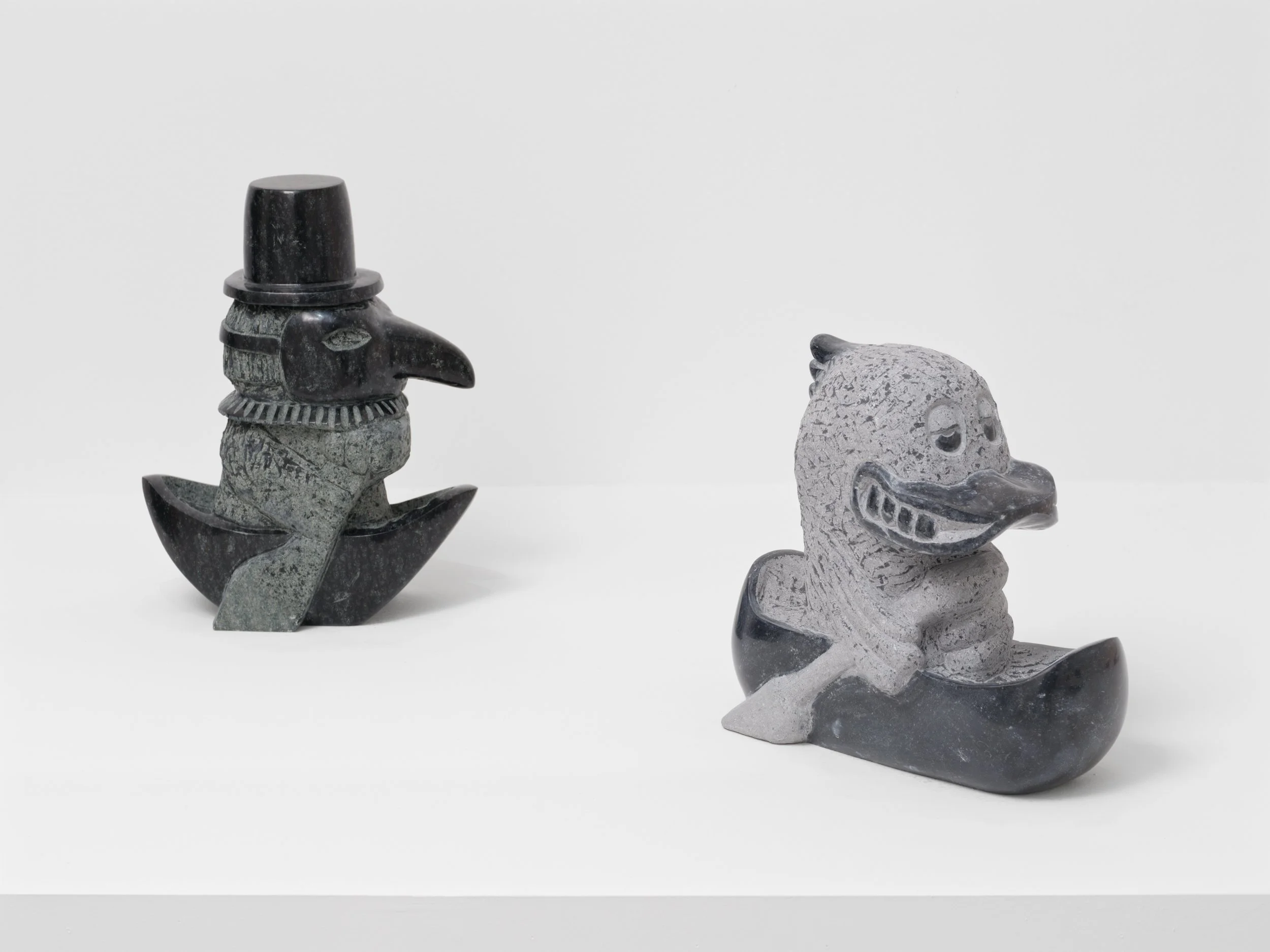
I am skipping through the timeline between the Eocene epoch and today, wanting to erase time.
Do you think contemporary art today is too focused on novelty and speed?
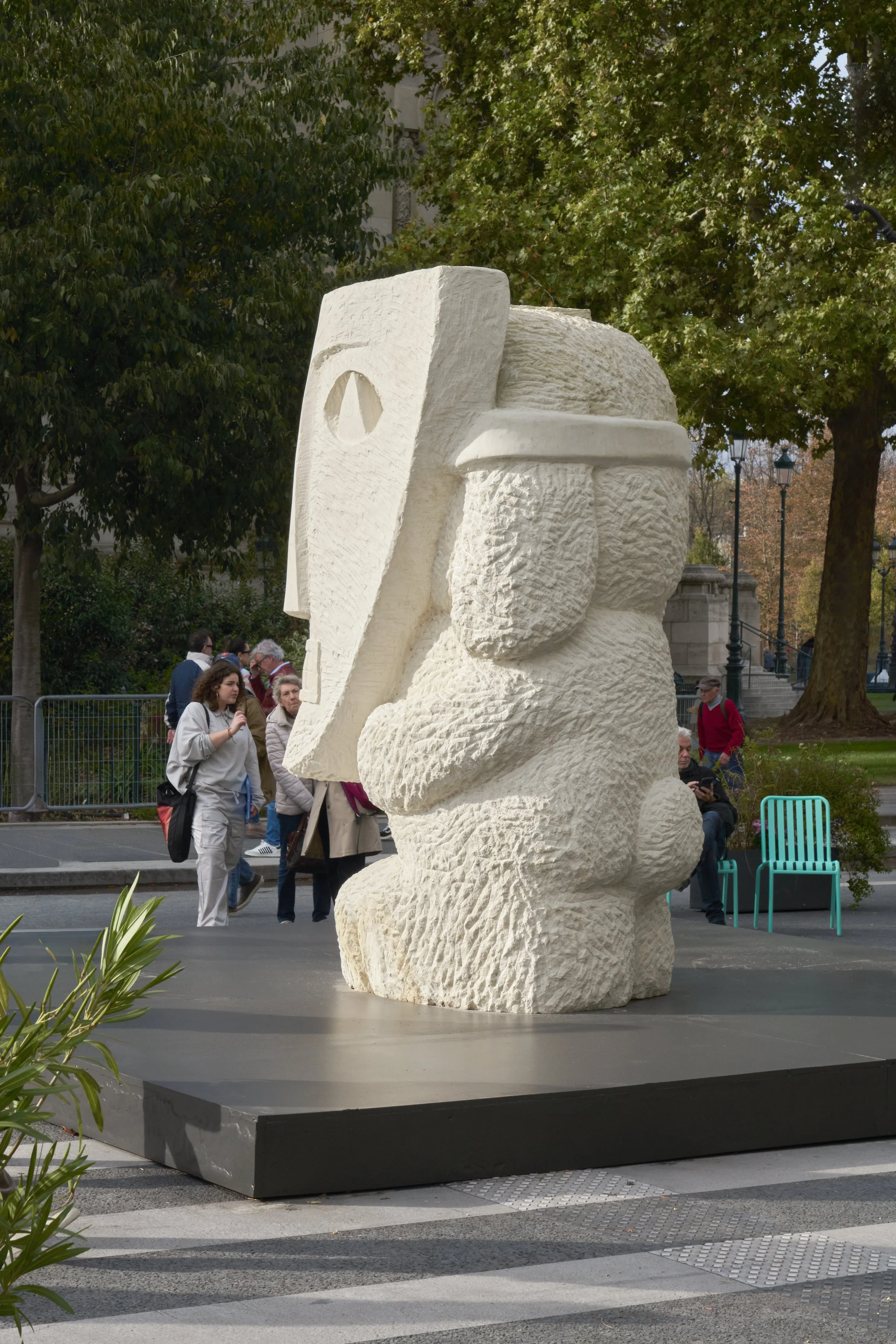
This question is too difficult to answer. There is a lot of great art also now.
Stone survives for centuries. When you create a sculpture, do you think about its existence in 500 years?
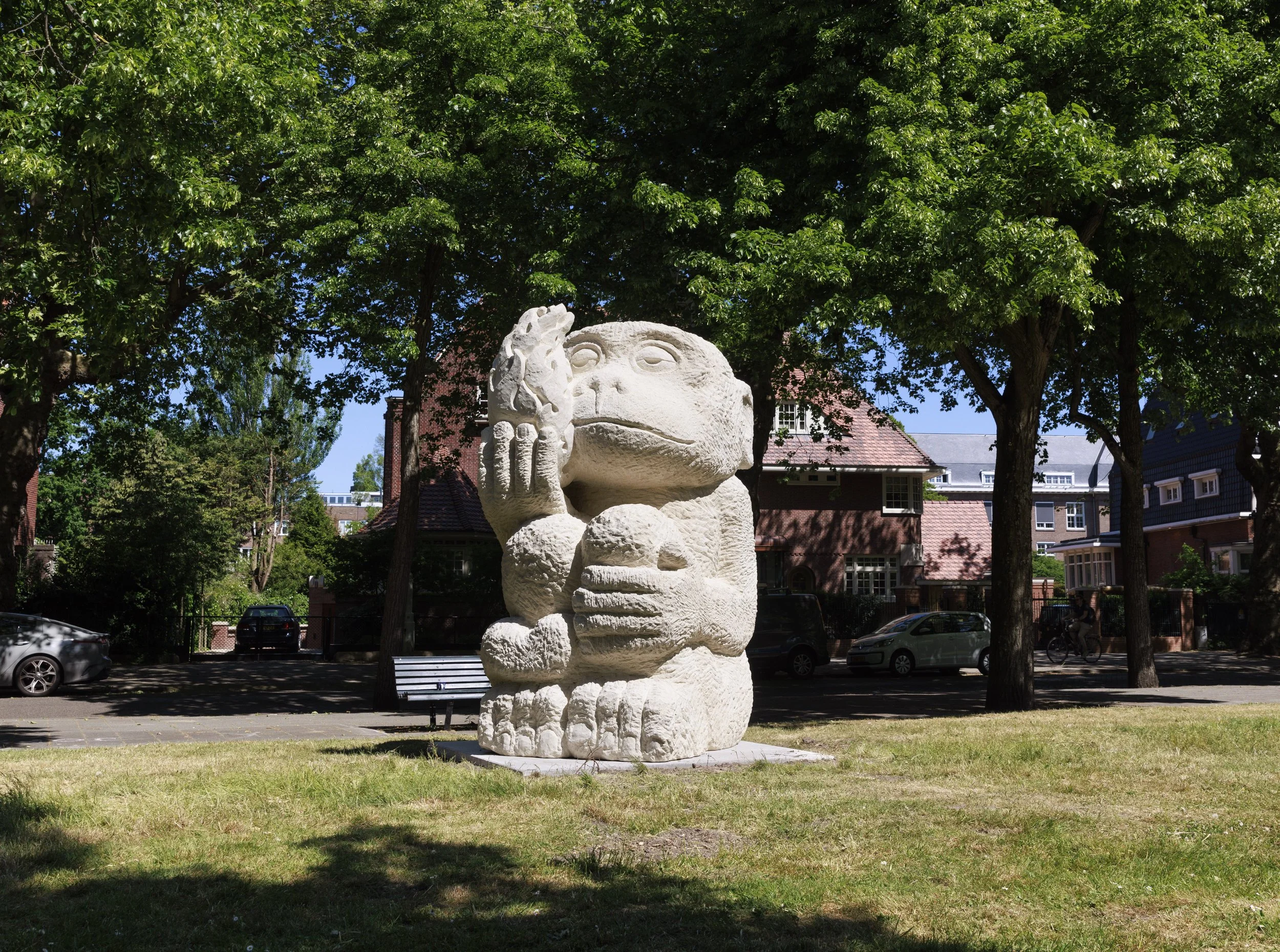
Sometimes I think about patina. I have already tried to accelerate the growth of moss on the sculpture. This could give the sculpture a timeless, mysterious touch.
You studied classical sculpture techniques. Did you have to “unlearn” academic perfection to find your own visual language?
I am not blessed with a lot of patience, so I often skip some of the steps of traditional sculpting techniques.
What is the biggest misunderstanding people have about your work?
I don't think there are any misunderstandings on people's part; I think I myself had some misunderstandings about my own work in the past.