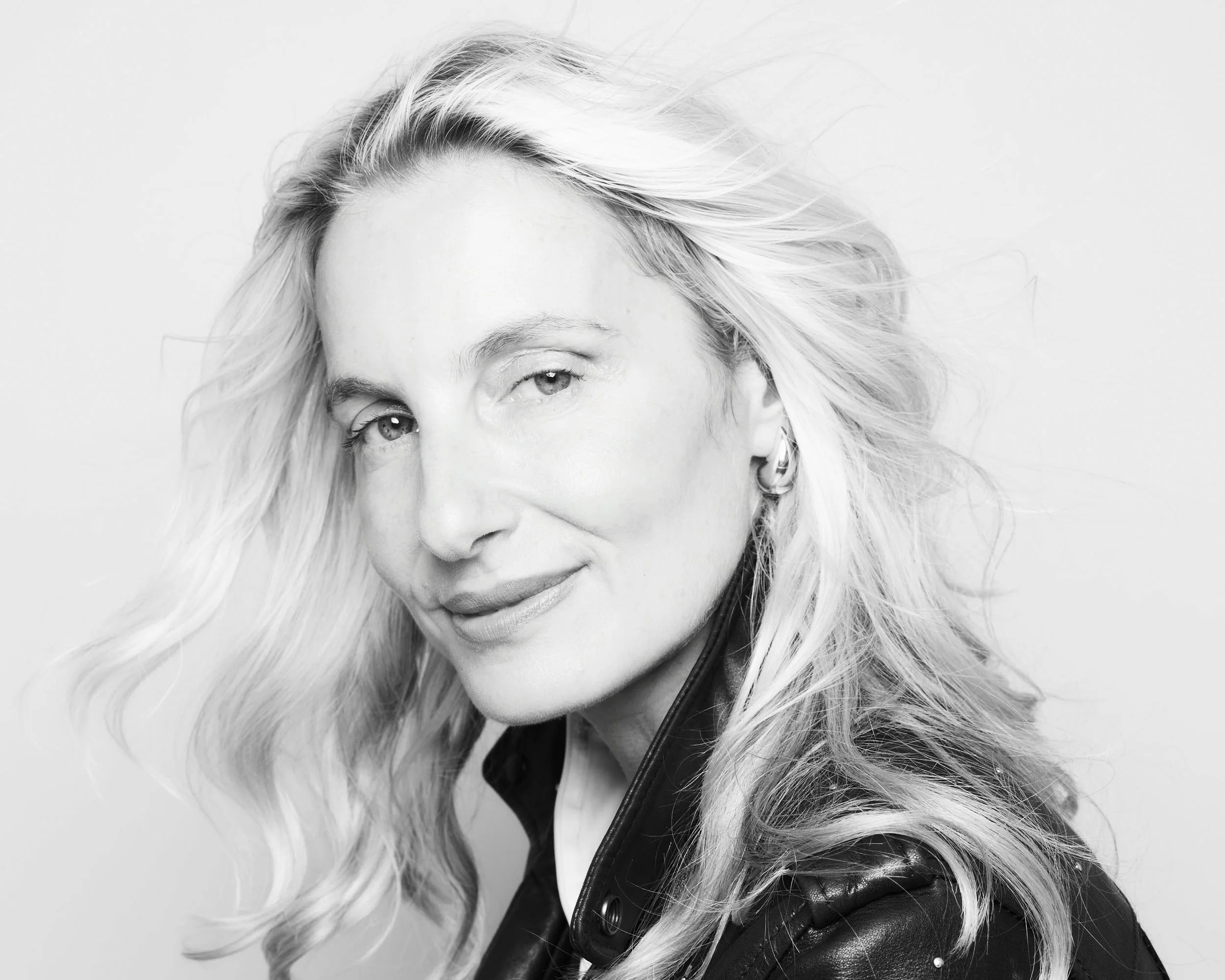
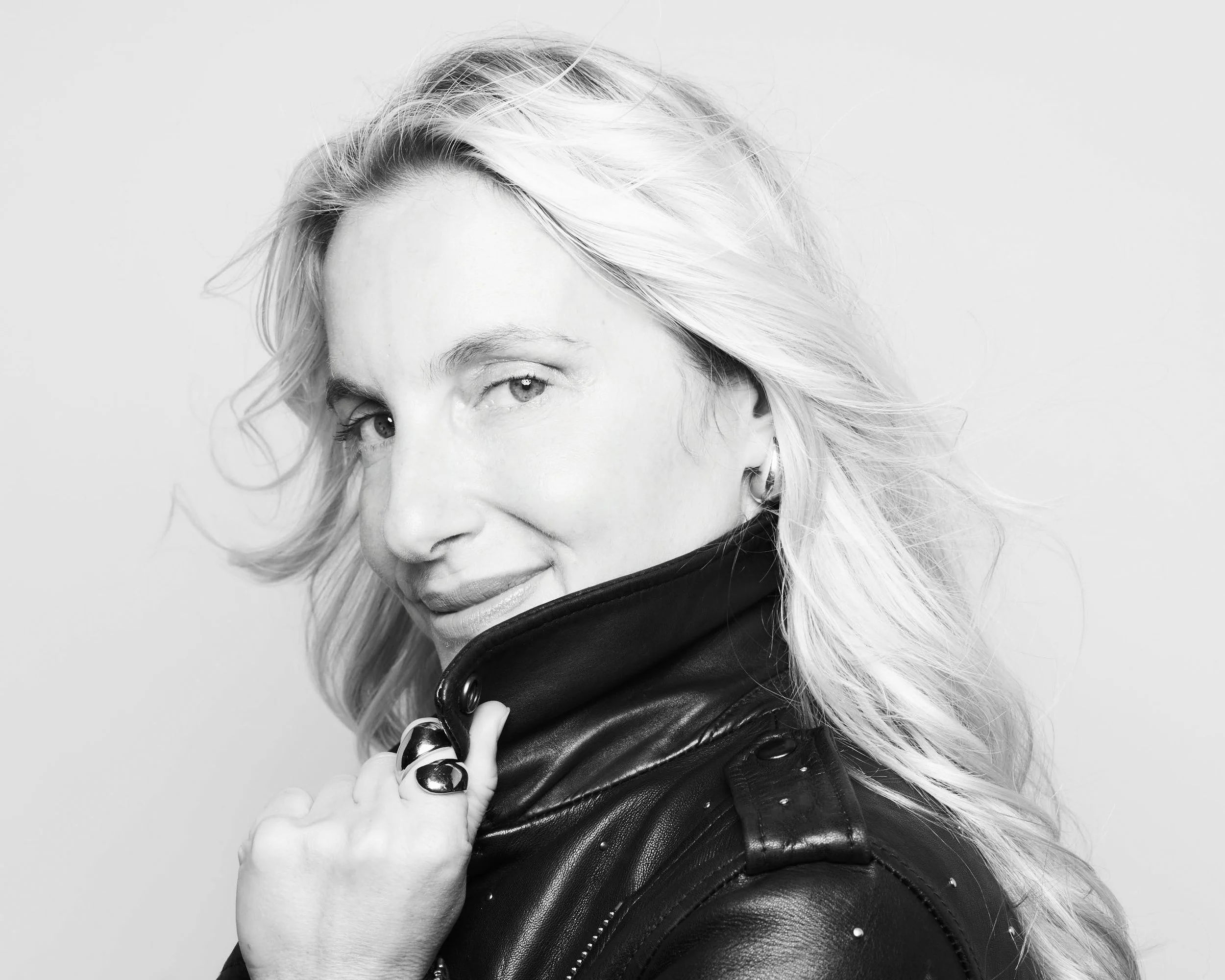
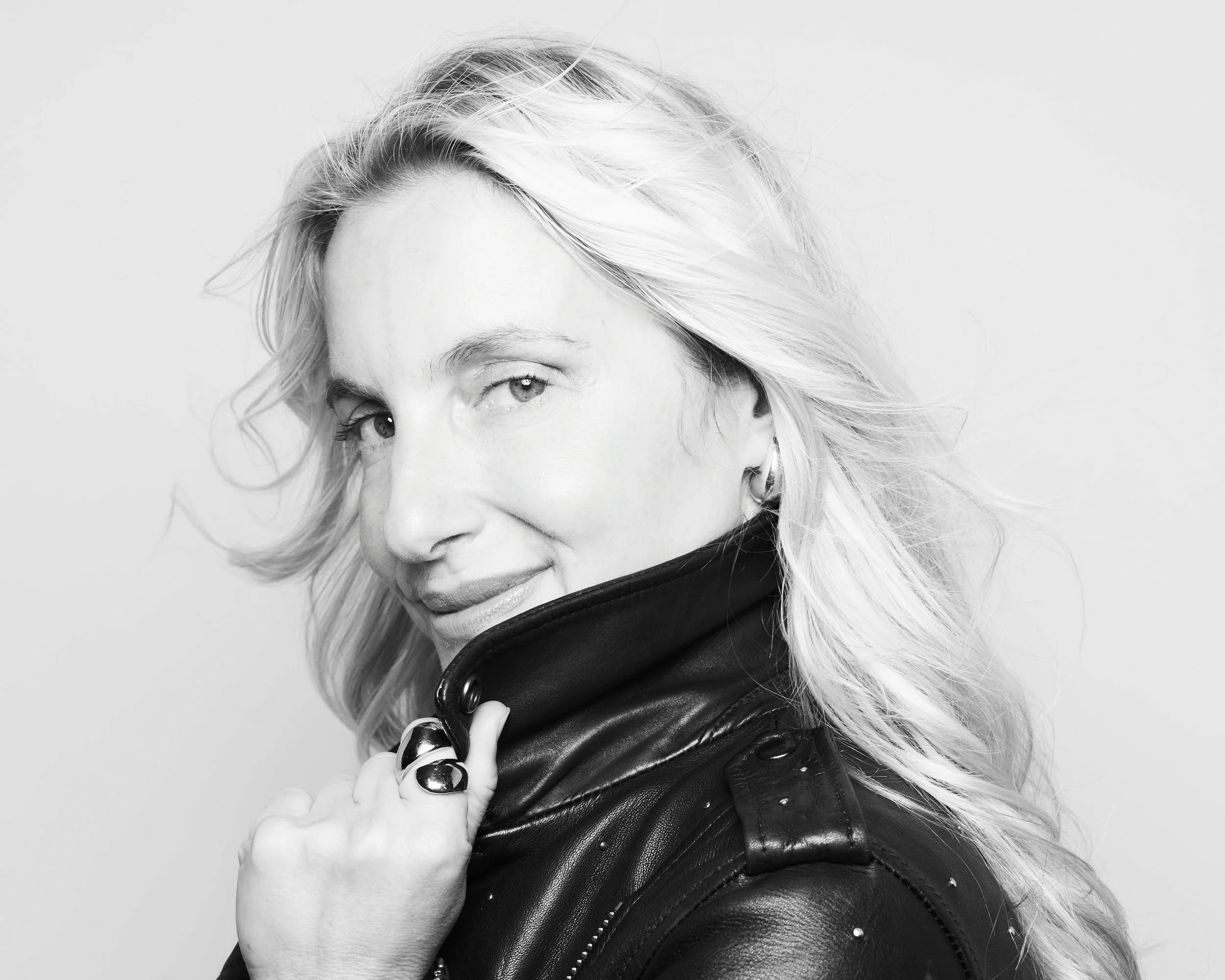
Virginia Damtsa has never followed the traditional rules of the art world.
From opening her first gallery at just nineteen to co-founding the experimental Riflemaker Gallery in London, she has spent nearly three decades challenging the boundaries between art, music, performance and culture. Along the way, she has worked with figures including Yoko Ono, Judy Chicago and Peter Gabriel, while building a career around one central idea: art should remain a space for freedom, experimentation and risk.
Today, as Director of Visual Arts at Town Hall in King’s Cross and founder of VirginiaVisualArts, Damtsa continues to rethink what an exhibition — and a gallery — can be.
We spoke with her about turning her apartment into a gallery, taking risks, working with artists, the changing art market, and why the next generation shouldn’t wait for permission to start.
You started in the art world at just sixteen, helping your uncle open the Alekos K. Damtsa Museum. What do you remember from that time, and what did it teach you?
I remember his extraordinary passion for art and collecting. It was contagious. He taught me, perhaps without even realising it, that creativity and business are not mutually exclusive.
There is something extraordinary about turning your passion into a business, and I feel incredibly fortunate to be able to do what I love.
Before art, you trained as a dancer with the Paris Opera schools. How did you go from dance to the art world?
Dance gave me an understanding of movement, music, visual memory, rhythm, performance and the body. I was fascinated by Pina Bausch and her ability to bring together different disciplines, cultures and forms of expression. But I felt the art world offered me greater freedom to bring together different fields, ideas and cultures. It felt more expansive.
You studied in Paris, Belgium, New York and Cambridge before settling in London in 1990. Why London?
I was drawn to London's entrepreneurial spirit and its culture of go-getters. I loved its openness to multiculturalism and its less hierarchical approach to age and status. There was a willingness to take risks that I found incredibly exciting. I opened my first gallery at nineteen and began working with artists whose practices would go on to reach major international institutions, including the Venice Biennale, Tate Modern and MoMA.
You turned your own apartment into a gallery for emerging artists. How did that start, and what was it like?
I practically turned my kitchen into an exhibition wall and my bedroom into an office. So, essentially, there wasn't much cooking or sleeping going on!
I was also naive. I would give artists the keys to my apartment and trust them completely. I remember one artist leaving me locked out until 3 am while he finished an installation exploring a hundred years of Japanese cinema.
It was an incredible time of freedom and experimentation. We made things happen with whatever we had, and there were no rules to follow.
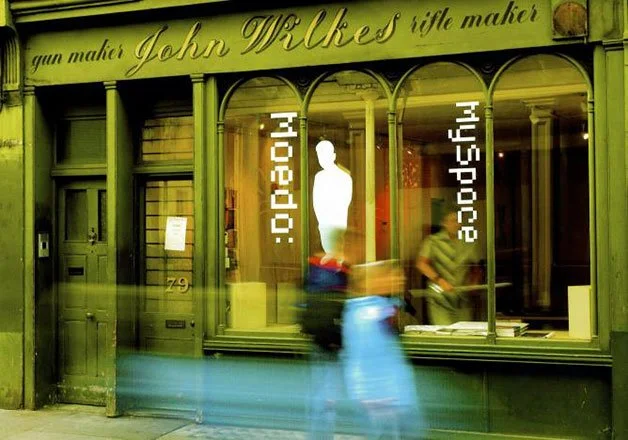
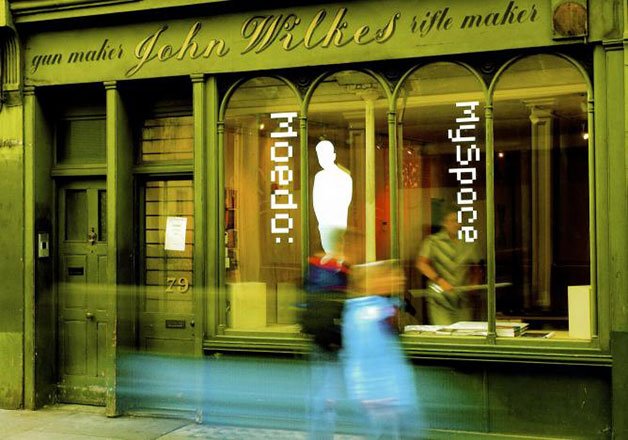
In 2004, you co-founded Riflemaker with Tot Taylor in a former gunmaker's workshop. What was the idea behind the gallery?
The idea was freedom: to embrace art as culture and bring together different genres, styles, media and cultures. We were tired of the conventional white-cube model, with paintings neatly hung on white walls.
We wanted something more alive, unexpected and participatory — a space where audiences could feel challenged, ask questions and escape the familiar. We wanted the gallery to be an experience, not simply a place to look at art.
You worked with artists like Judy Chicago, Yoko Ono, Martin Kippenberger and Gavin Turk. Is there an exhibition or a moment you're especially proud of?
There are far too many to choose just one. I think of Yoko Ono's Bagism, Judy Chicago's Carhoods, Martin Kippenberger's imaginary museum on a Greek island, and Julie Verhoeven's hundred stinky eggs at the gallery entrance. I remember Joan Maeda creating a sandpit where visitors could draw their ideas, and turning the gallery into a Vinyl Factory, where people could press their own records. Jarvis Cocker did one.
We wrapped the entire building in red hair, transformed the gallery into Indica, a 1960s counterculture gallery where John Lennon met Yoko Ono, explored analogue culture and presented Liliane Lijn's Stardust installation, which connected with NASA's Stardust project. Then there was Mouth OFF, a performance questioning how, even in a supposedly democratic society, our freedom of speech can still be restricted and surveilled.
And, of course, there was the moment Charles Saatchi bought the entire first exhibition.
What connects these projects is that we never wanted to repeat ourselves. Each exhibition was an opportunity to experiment, take risks and challenge what a gallery could be.
Riflemaker was known for mixing art with music and performance. Where did that come from?
It came naturally from our backgrounds. My training in dance gave me an understanding of the relationship between music, visual memory, movement and performance, while Tot Taylor is a composer and writer. We both wanted to create a much more immersive cultural experience.
In 2018, you launched VirginiaVisualArts, part gallery, part artist agency. Why that hybrid model?
Riflemaker Gallery in Soho was the perfect model for the 2000s. VirginiaVisualArts, part gallery and part cultural agency, is right for now. For the future, I'll adopt another model that reflects the times. The important thing is to remain open and adaptable to the times and the market.
You work with around fifty artists. What do you look for when you decide to work with someone?
I've always looked for craftsmanship, quality, imagination, originality and storytelling — something distinctive that makes an artist's work their own. But increasingly, I also look at the person behind the work. Can we work together? Do they have the right character and attitude?
Building an artistic career is a collaborative process. More and more, when I introduce an artist to a gallery or a curator, my colleagues ask me, "Are they good to work with?" Talent is essential, but so are trust, generosity and the ability to work as a team. A good working relationship can make all the difference.
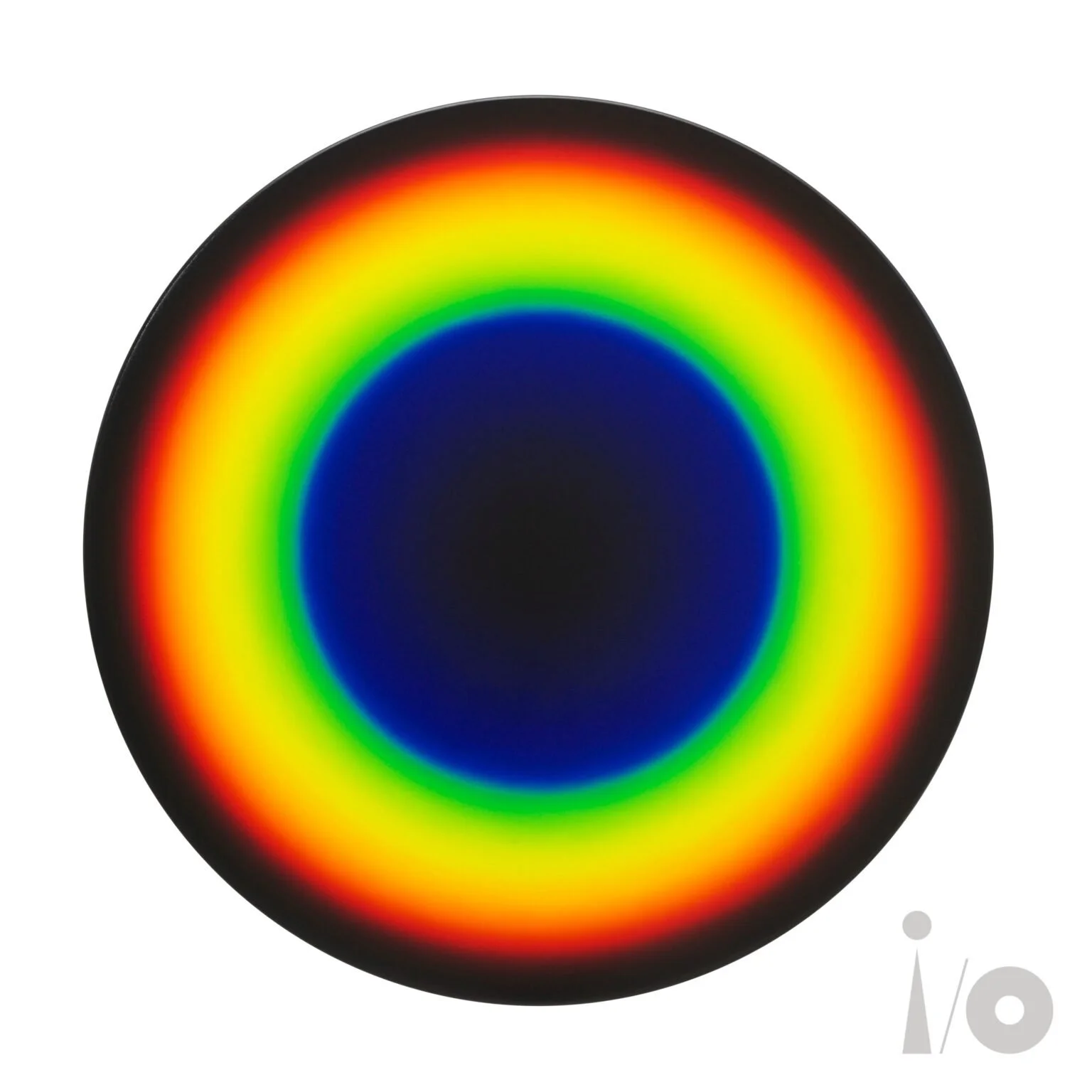
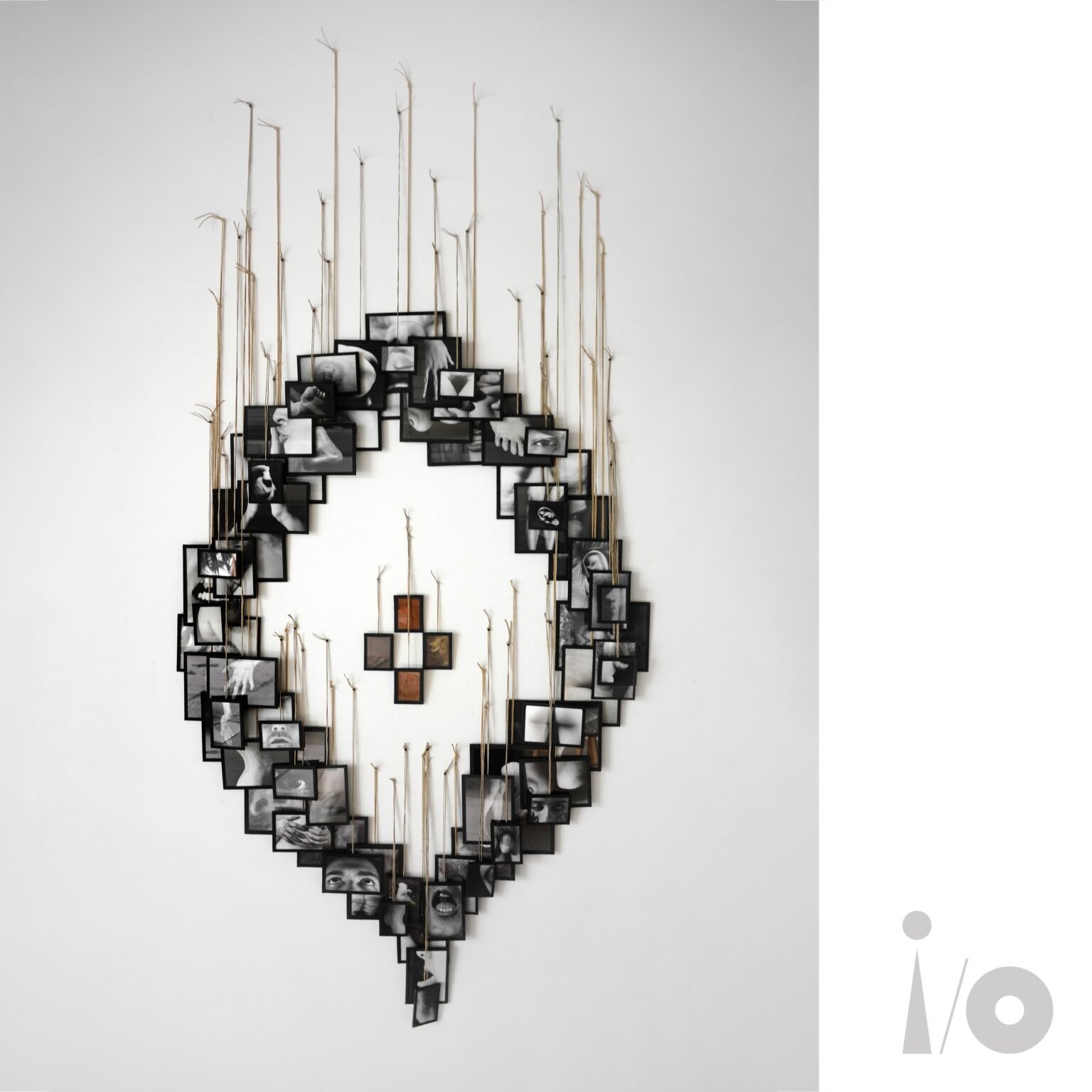
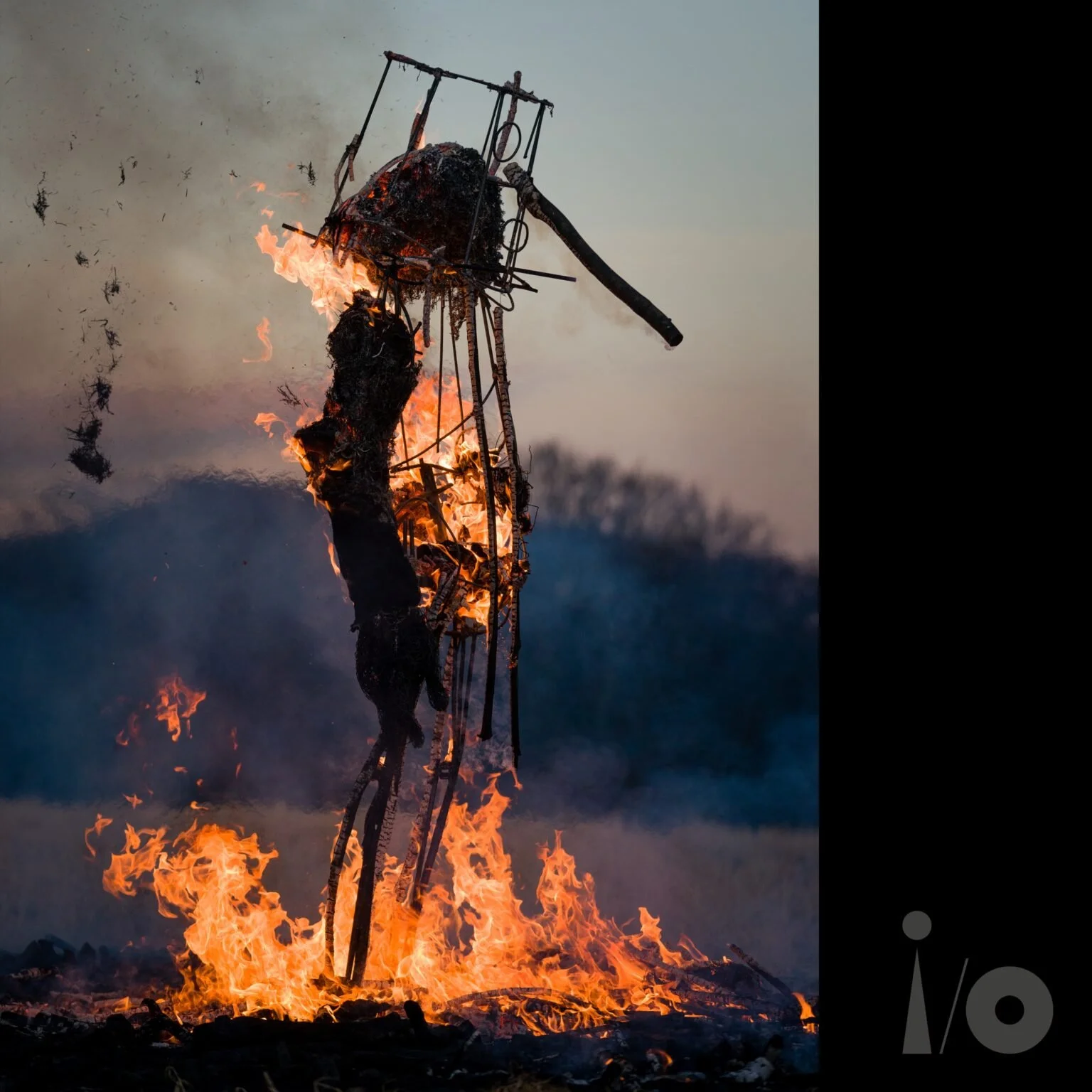
Tell us about your collaboration with Peter Gabriel on the i/o project. How did it come about?
I loved this collaboration because Peter Gabriel is a true visionary. We met at Frieze, where he told me about his idea of bringing music and visual art together. I immediately said, "I'm your woman!"
The following day, his manager called me, and we began working on the project. We brought together fourteen artists for fourteen songs, including Olafur Eliasson, Tomás Saraceno, Ai Weiwei, Nick Cave and Cornelia Parker, among others.
It was an extraordinary meeting of artistic minds, with each artist responding to a piece of music in their own way. The album reached number one in the UK, but what I loved most was the way the project allowed music and visual art to speak to each other in completely new ways.
After almost thirty years, how has the art world changed, for better or worse?
There is certainly more bureaucracy, more risk aversion and, increasingly, more fear. And I worry about what we lose as a result: creativity, imagination and the courage to experiment. I believe we must protect the freedom to take risks, make mistakes and do things differently. Without that freedom, art risks becoming predictable.
Also, with Brexit and tighter border controls, the movement of artists and artworks has become more expensive and bureaucratic, which has a real impact on the art market and the wider economy.
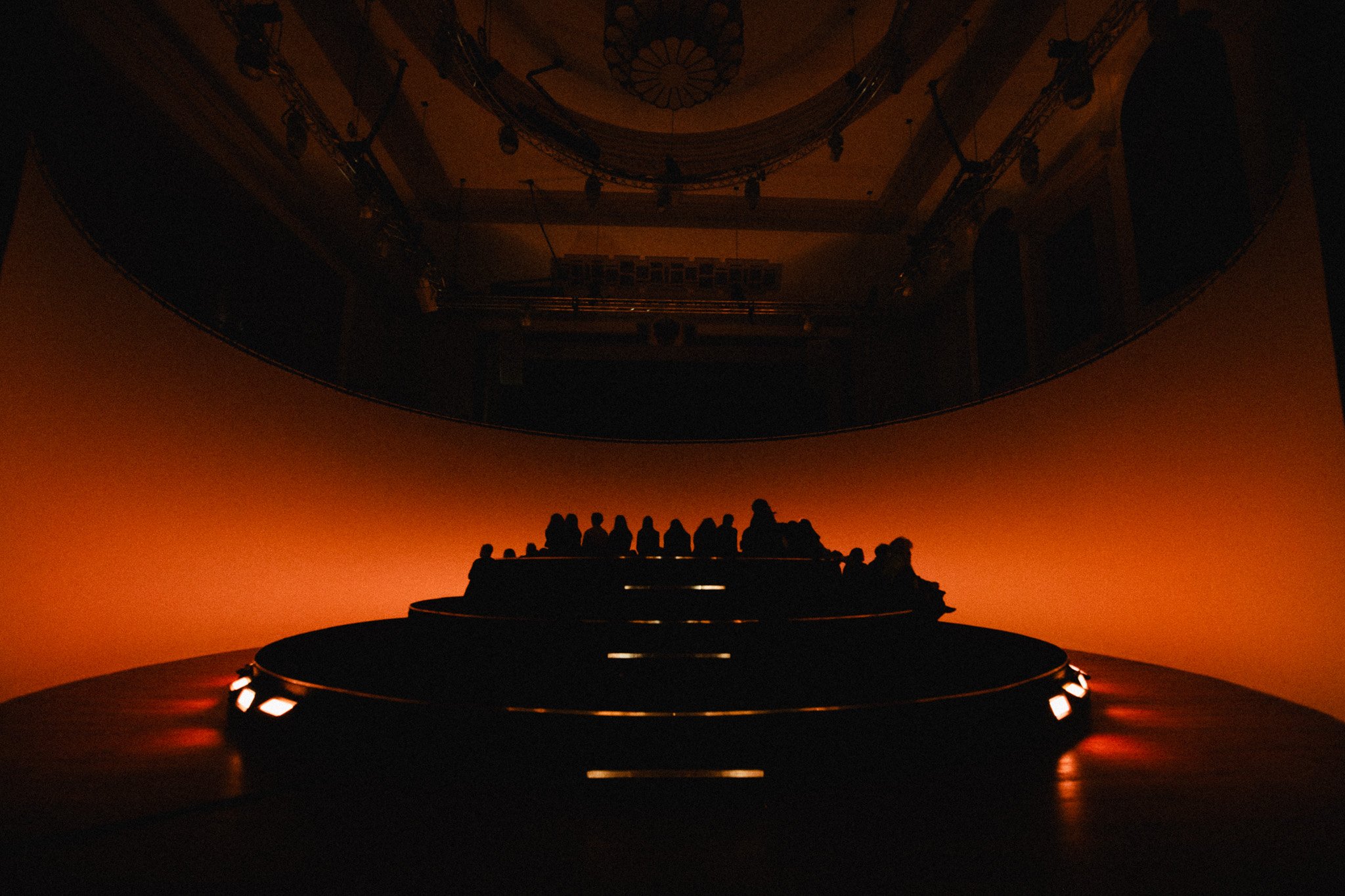
You're now Director of Visual Arts at Town Hall in King's Cross. What's your vision for the space?
My vision is to create memorable exhibitions that bring art into people's lives and make them see the world differently.
My first exhibition there, Her Stories Untold, was presented in partnership with The Circle, Annie Lennox's charity. It featured extraordinary artists and role models and included Jonathan Yeo's portrait of Malala Yousafzai.
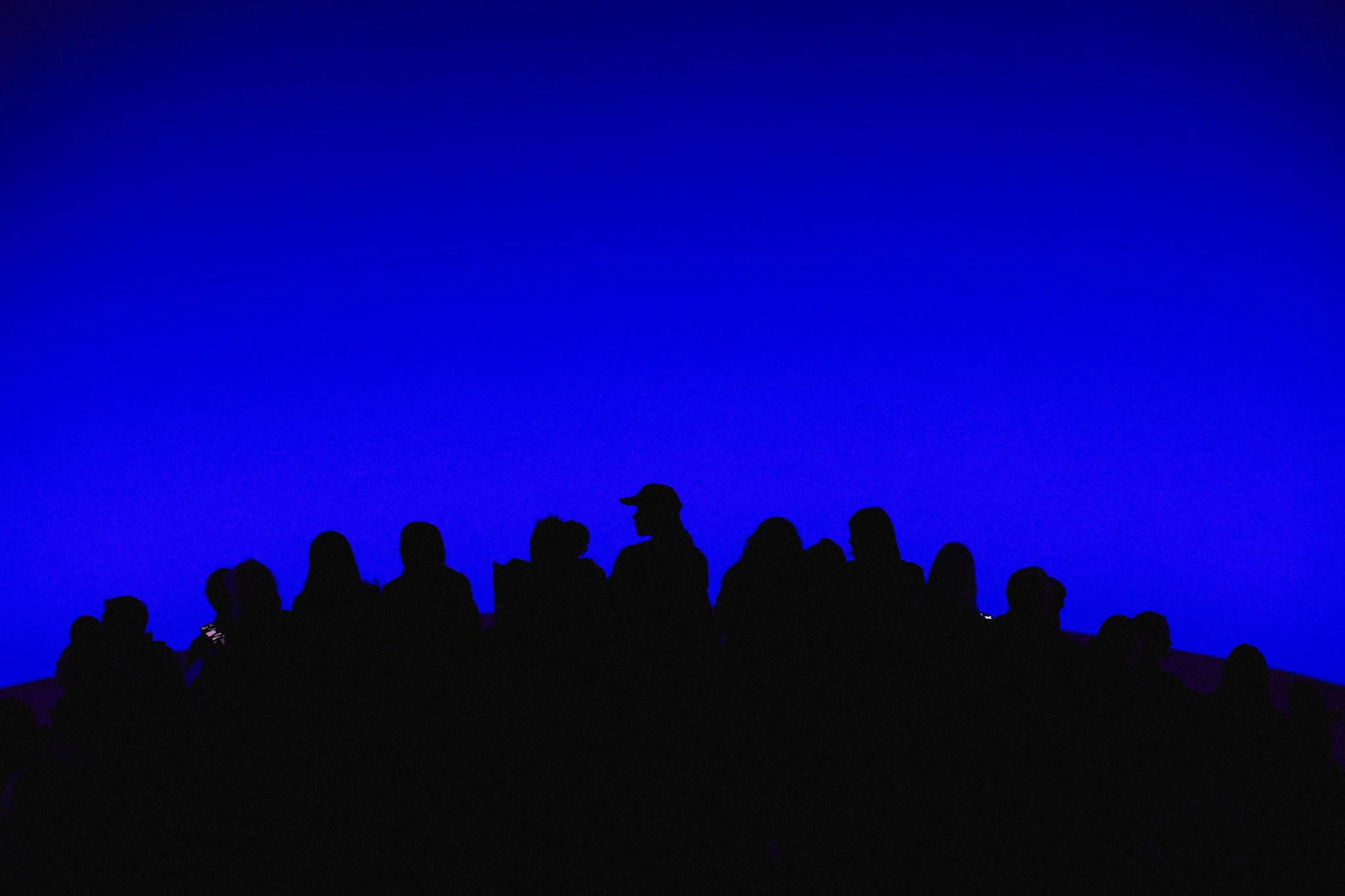
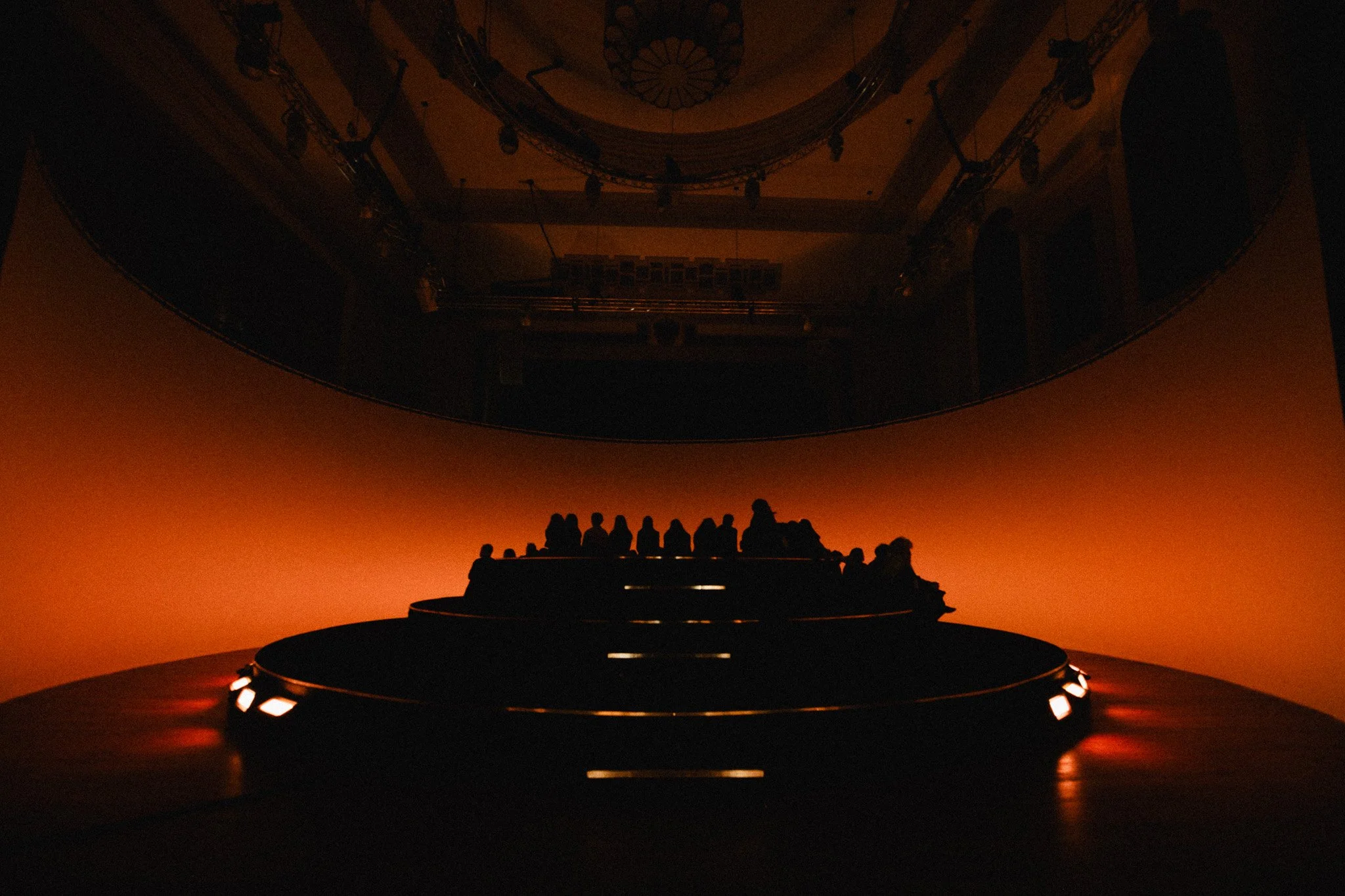
Our current exhibition, The Light Eaters, brings together artists including James Turrell, Trevor Paglen, Loie Hollowell, Liliane Lijn, William S. Burroughs, Tomás Saraceno, Leo Villareal and Carsten Höller. It explores light not simply as a physical phenomenon, but as something that shapes our perception, consciousness and experience of the world.
I want Town Hall to be a place where ambitious ideas meet exceptional art, where audiences encounter work they might not otherwise see, and where exhibitions become experiences that stay with them long after they leave.
What advice would you give to a young curator or gallerist starting out today?
I started at nineteen, without a blueprint or a safety net. If I could do it, so can you. You don't have to wait for permission to begin.
What's next for you?
For Frieze, I worked with Kukje Gallery, and I really enjoyed its programme and the artists it represents. Every year, I try to open up a new market, discover different artists and explore new cultures.
I'm interested in discovering new artists and also what happens when art moves beyond traditional boundaries — when it intersects with music, technology, architecture, science and the way we experience being human. I'm always looking for new collaborations and opportunities to bring different worlds together.