Suspended Between Worlds: A Conversation with Tornike Robakidze
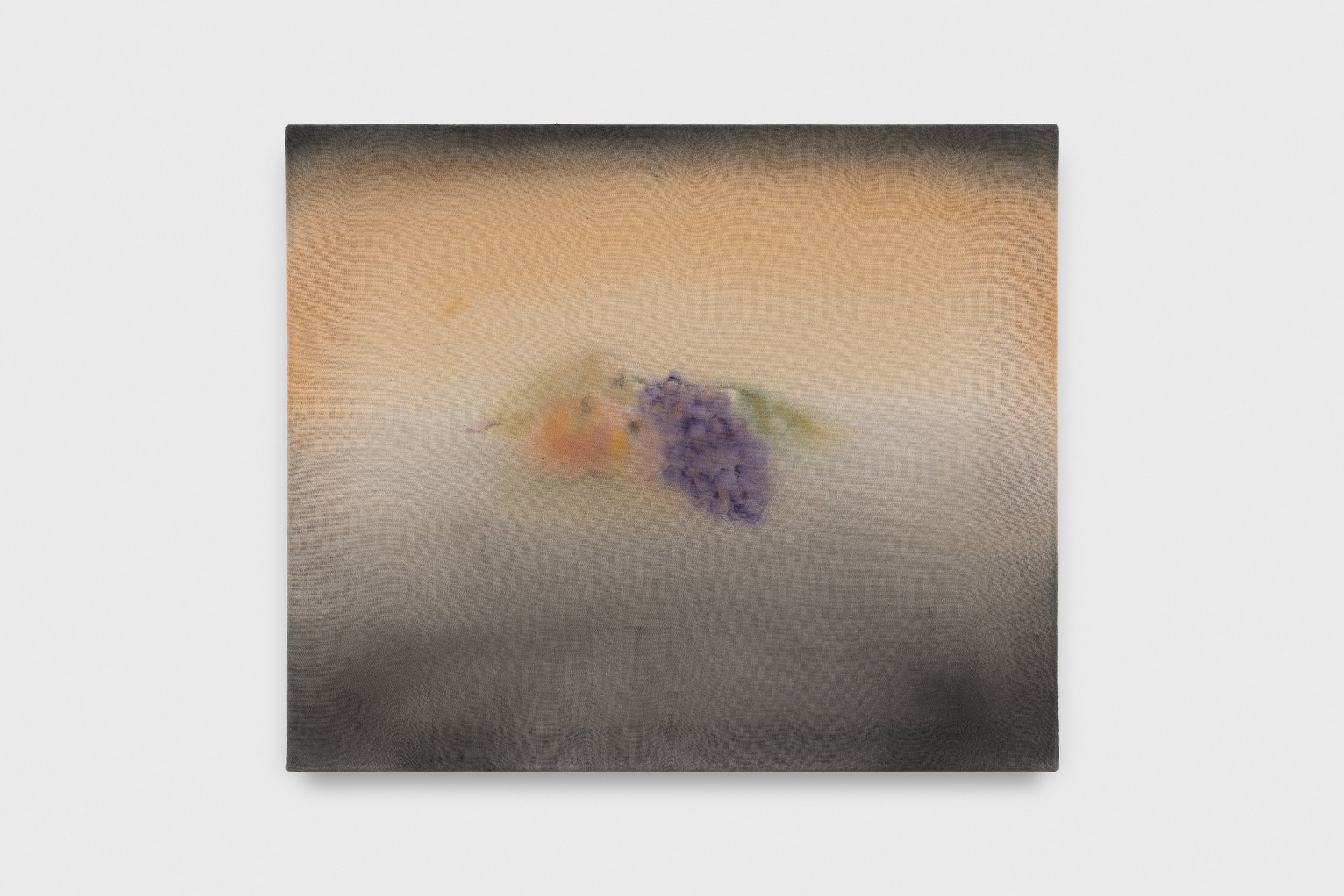
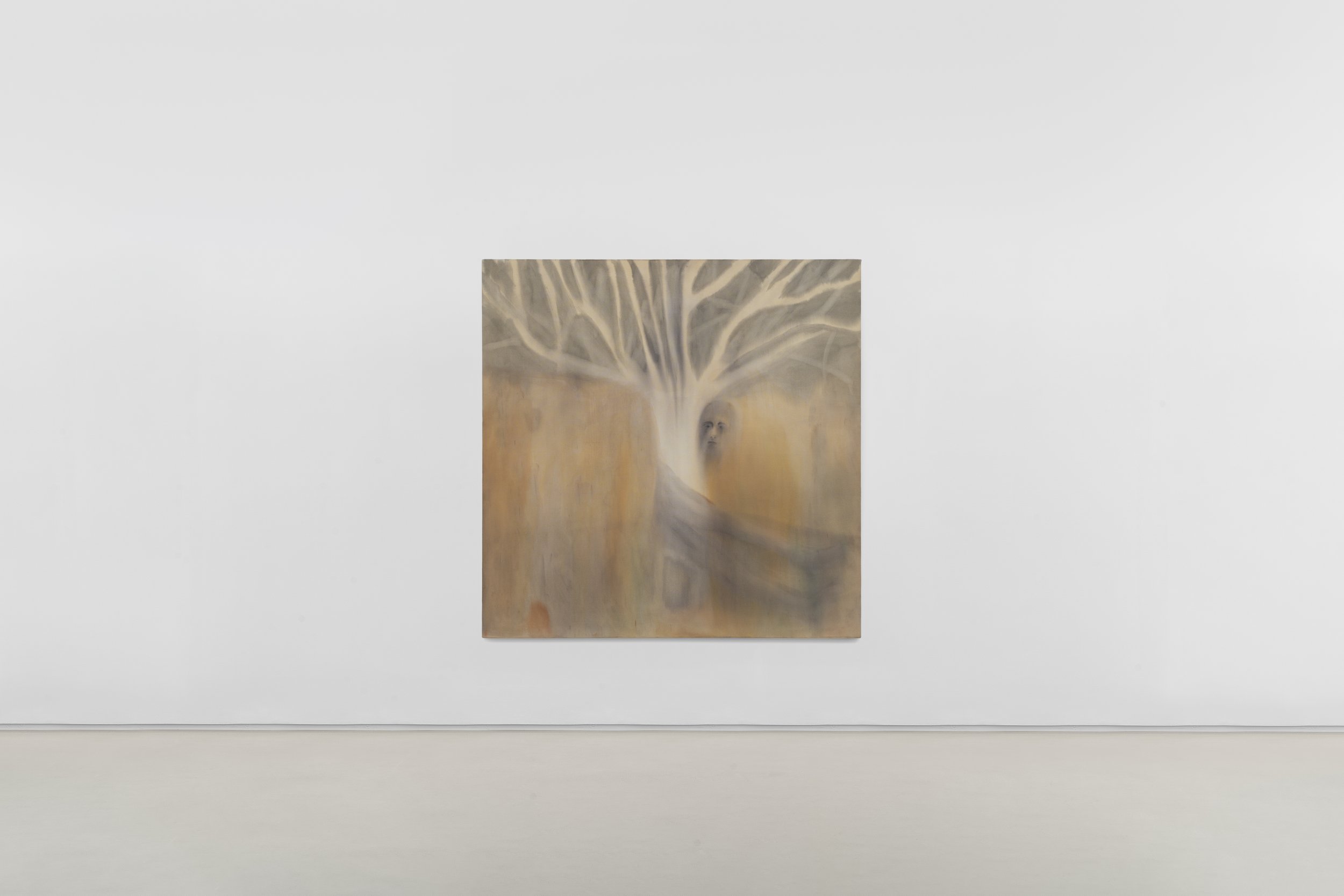
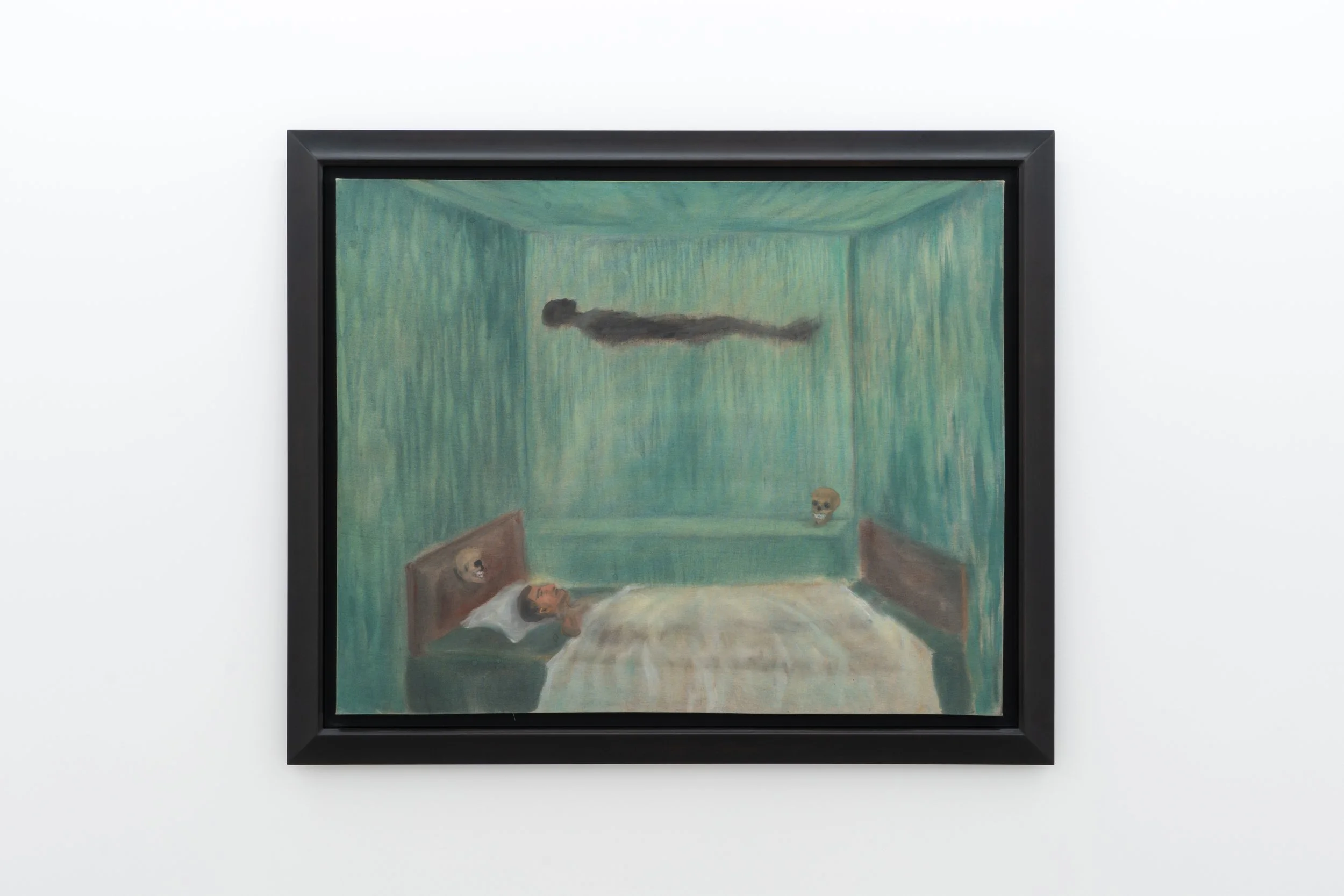
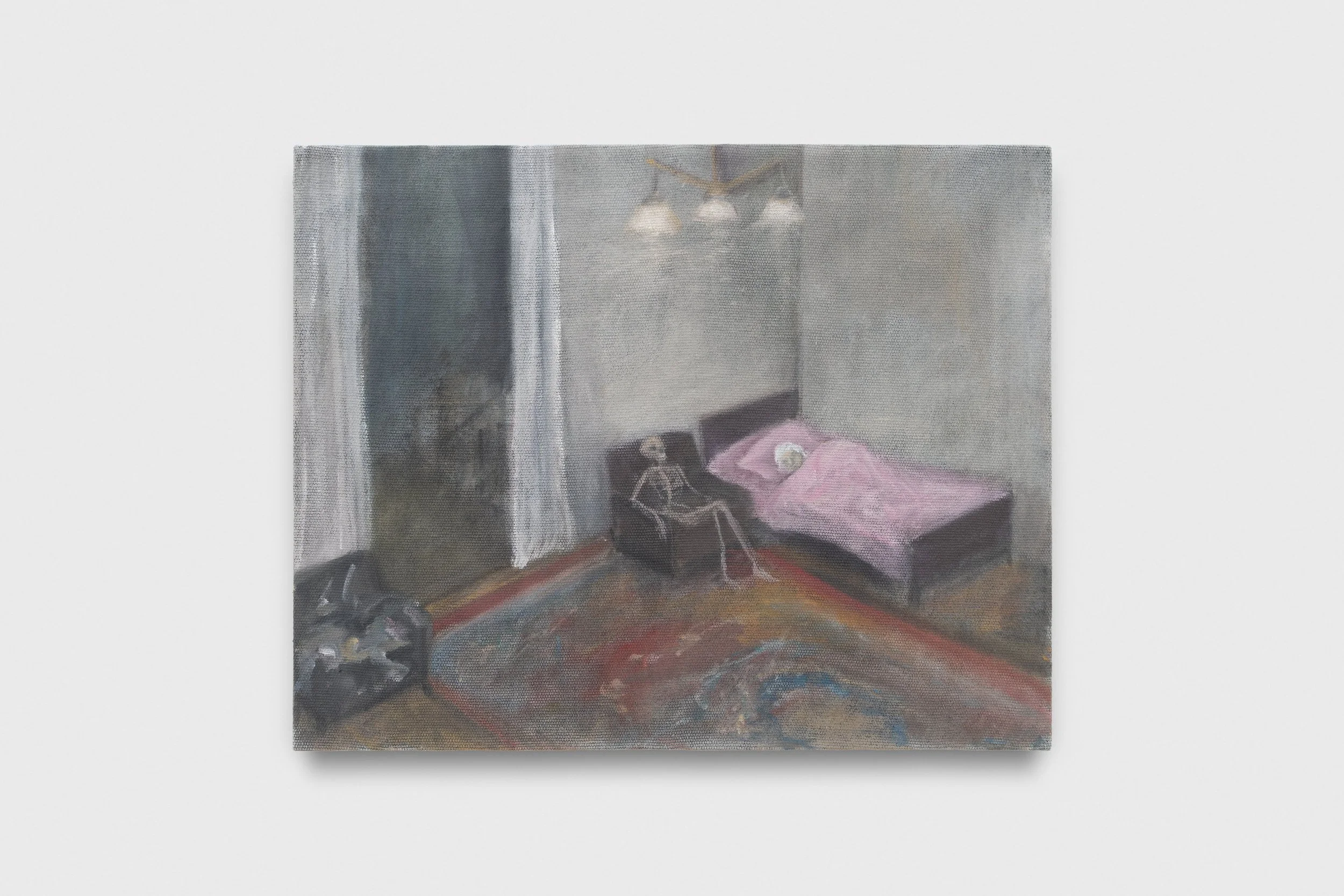
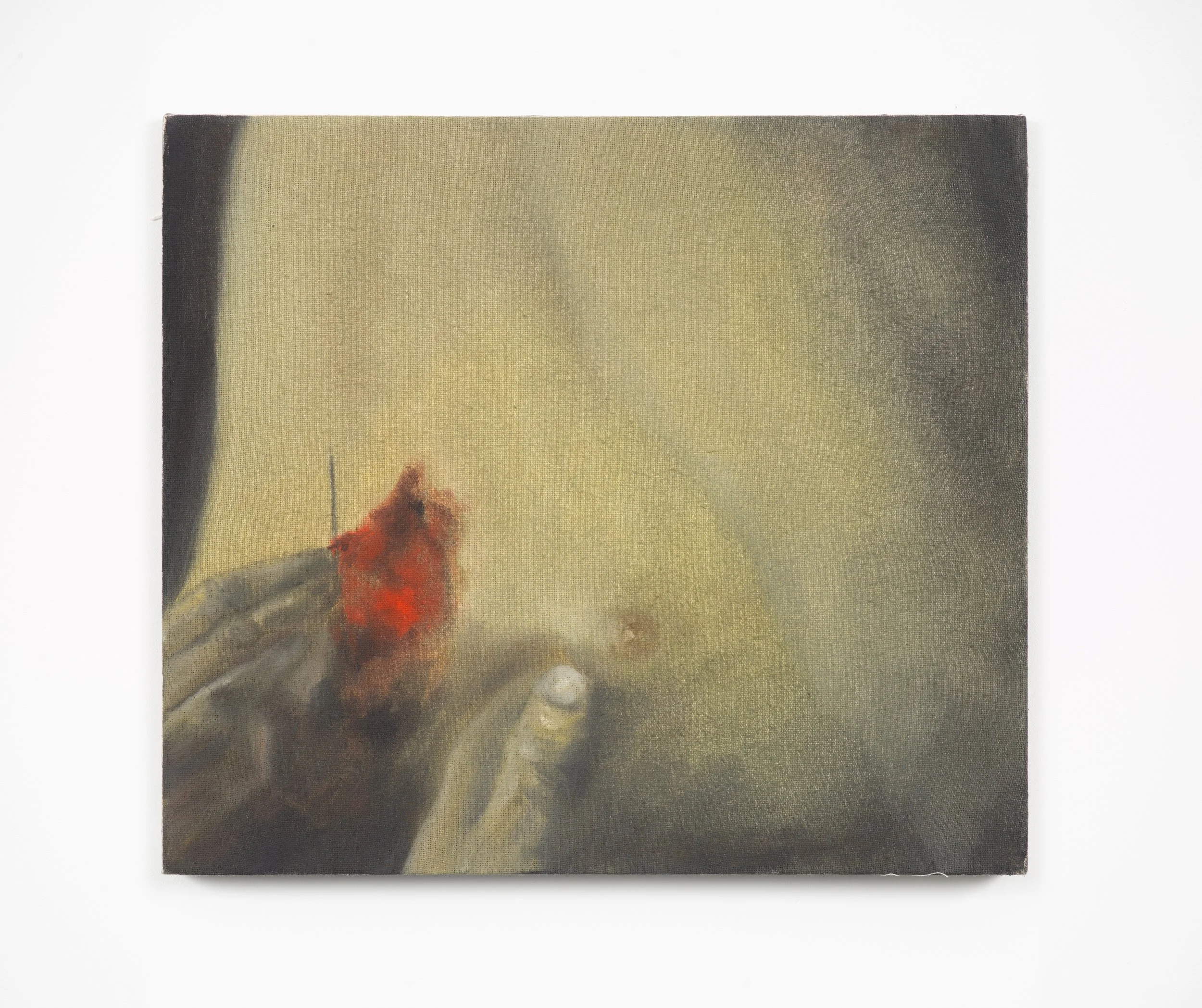
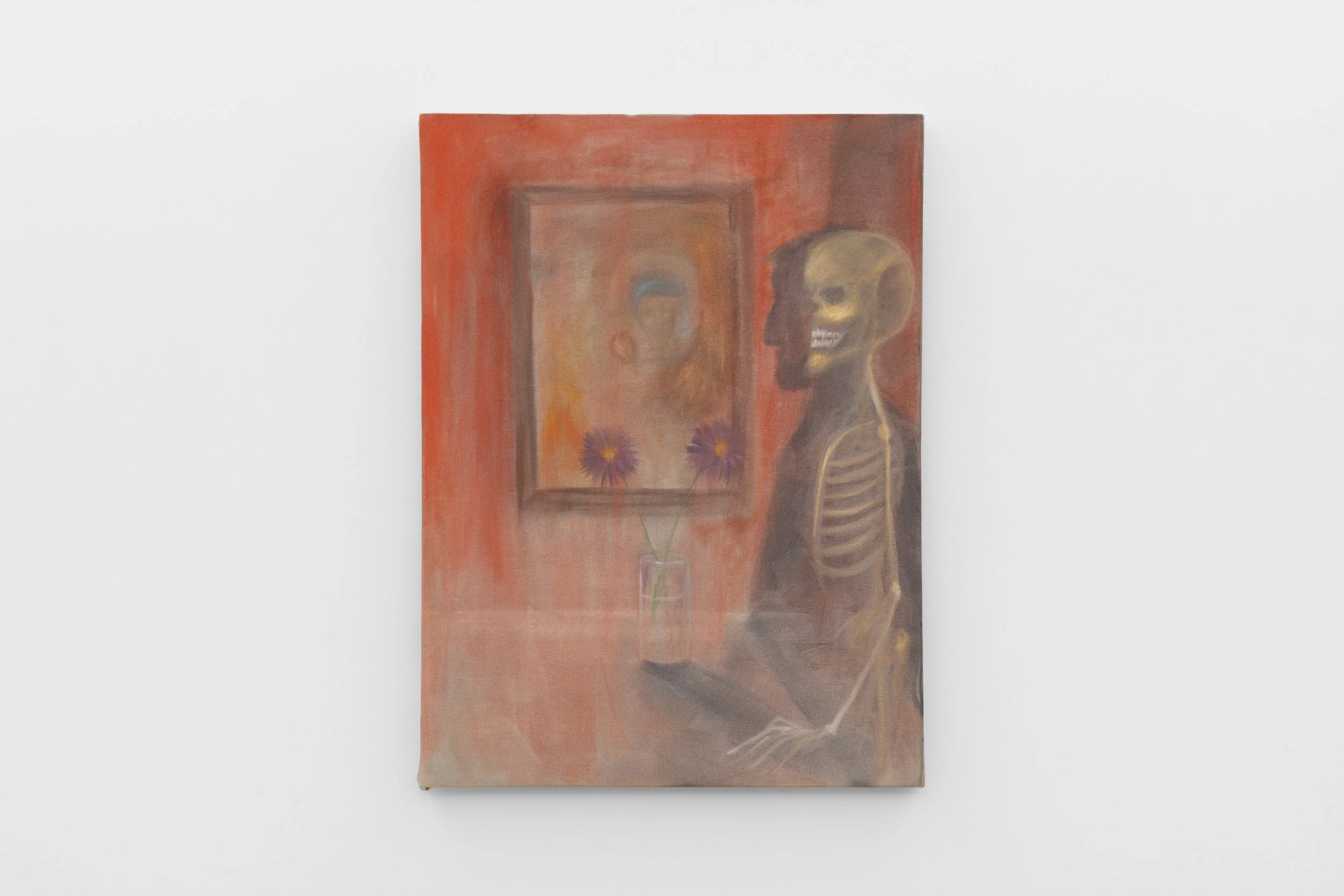
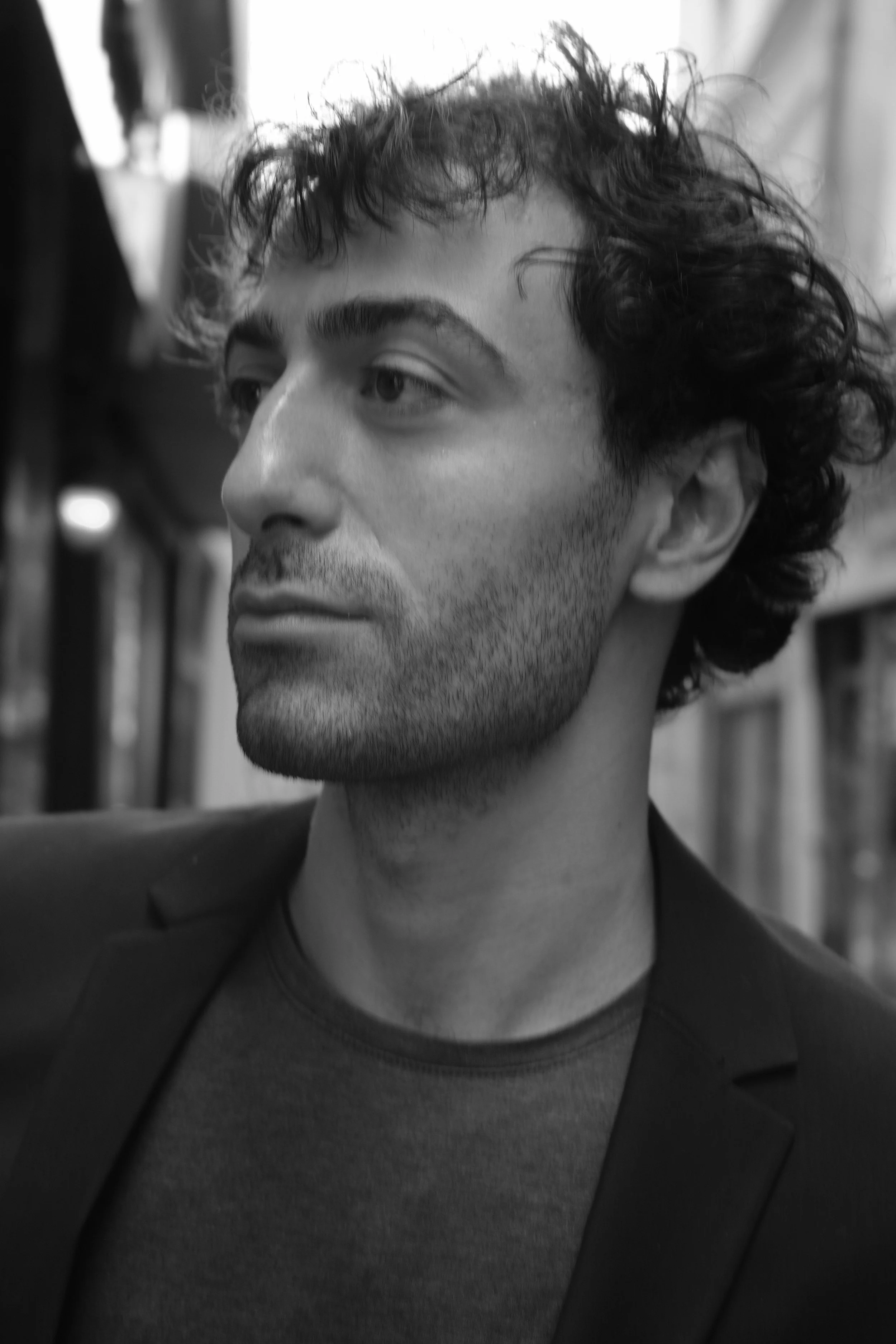
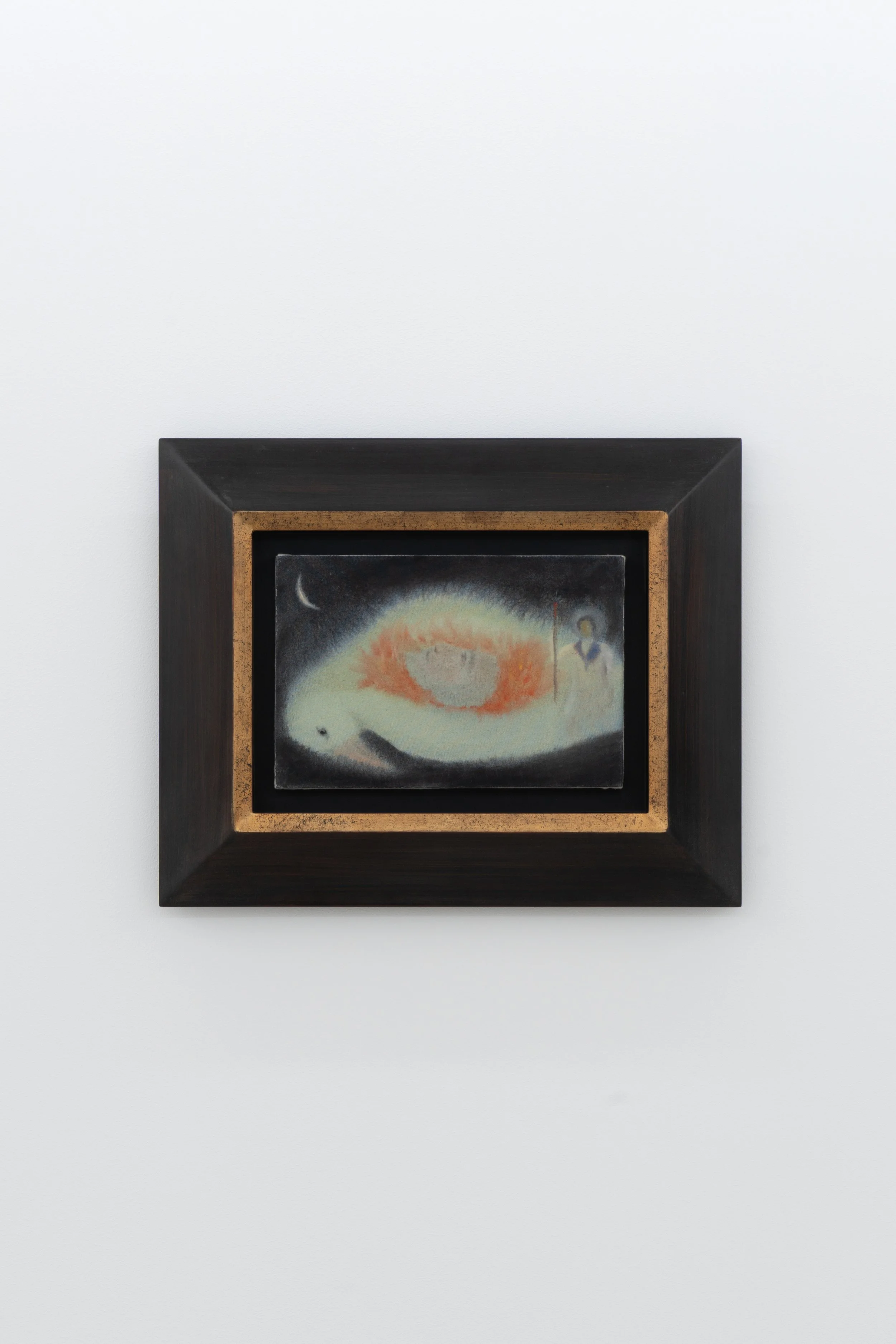
Born in Tbilisi and now working from a studio at POUSH on the outskirts of Paris, Georgian painter Tornike Robakidze moves between architecture and painting, between the dreaming and the real, between a homeland he carries within and a new city that is expanding her world. His canvases — built in oil, watercolor, and pastel, without outlines, color pressing against color — explore the eternal weight of love, death, doubt, and paradise with a lightness that disarms. In this conversation, he reflects on the origins of his visual language, the quiet dialogue he holds with Georgian art history, and what it means to find your voice in an unfamiliar space — suspended, for a moment, in the air.
Pictures : e.g., 'Courtesy of [. Lo brutto stahl
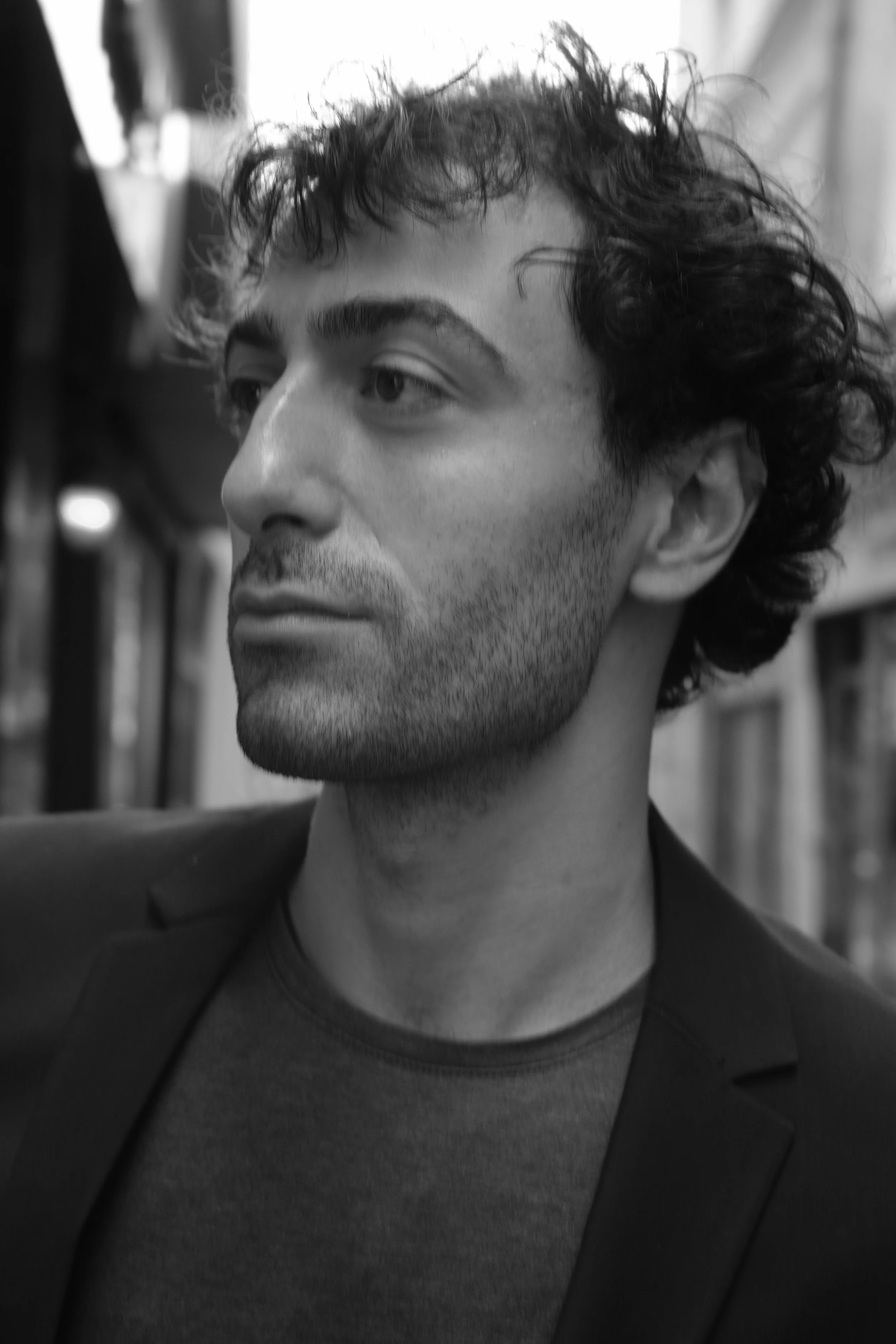
You trained as an architect before turning to fine arts — how did that shift happen, and what did
architecture leave behind in your painting?
Direct traces of my architectural education are virtually non-existent in my painting. I pursued that degree mainly to be completely certain that painting was what I truly wanted. Once I finished my Bachelor’s in architecture, I followed that clarity and shifted to a Master’s in painting. However, I believe that everything leaves a mark—the city, the architecture, the people, and the simple environment where you learn.
In fact, architecture’s nature as a more rigid and constrained discipline actually helped me, by contrast, to achieve a greater sense of freedom in my painting.
Growing up in Tbilisi, how much did the city’s visual texture — its walls, its decay, its street markings — shape your artistic vocabulary?
It’s difficult for me to link my artistic vocabulary solely to the city’s visual texture, though that may well be the case. There are indirect, subconscious connections that might not be obvious at first glance.
It is more of an underlying influence rather than a literal translation of the environment into the work.
Your work has been described as living between dreaming and reality. Was that tension something you consciously sought, or did it emerge on its own?
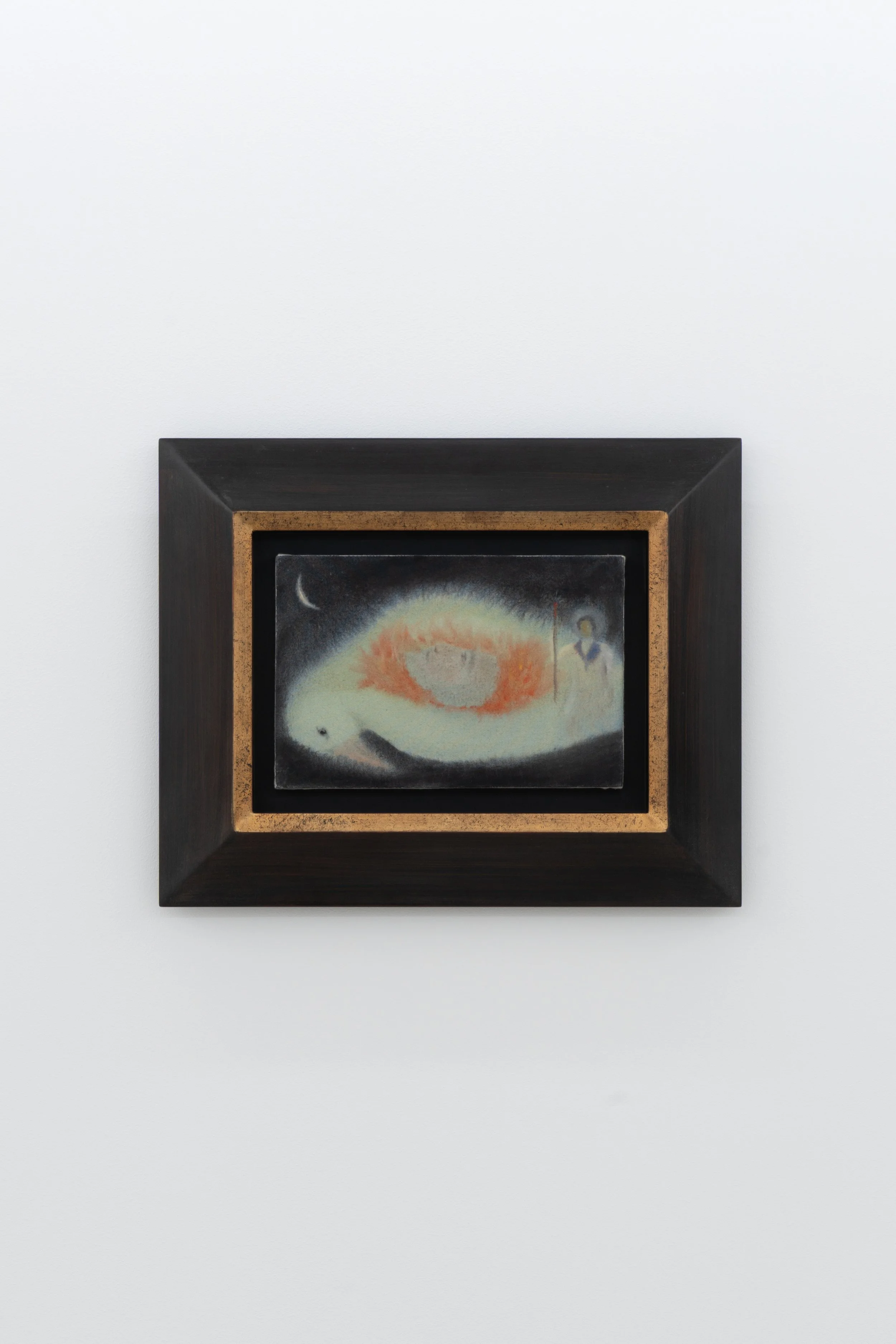
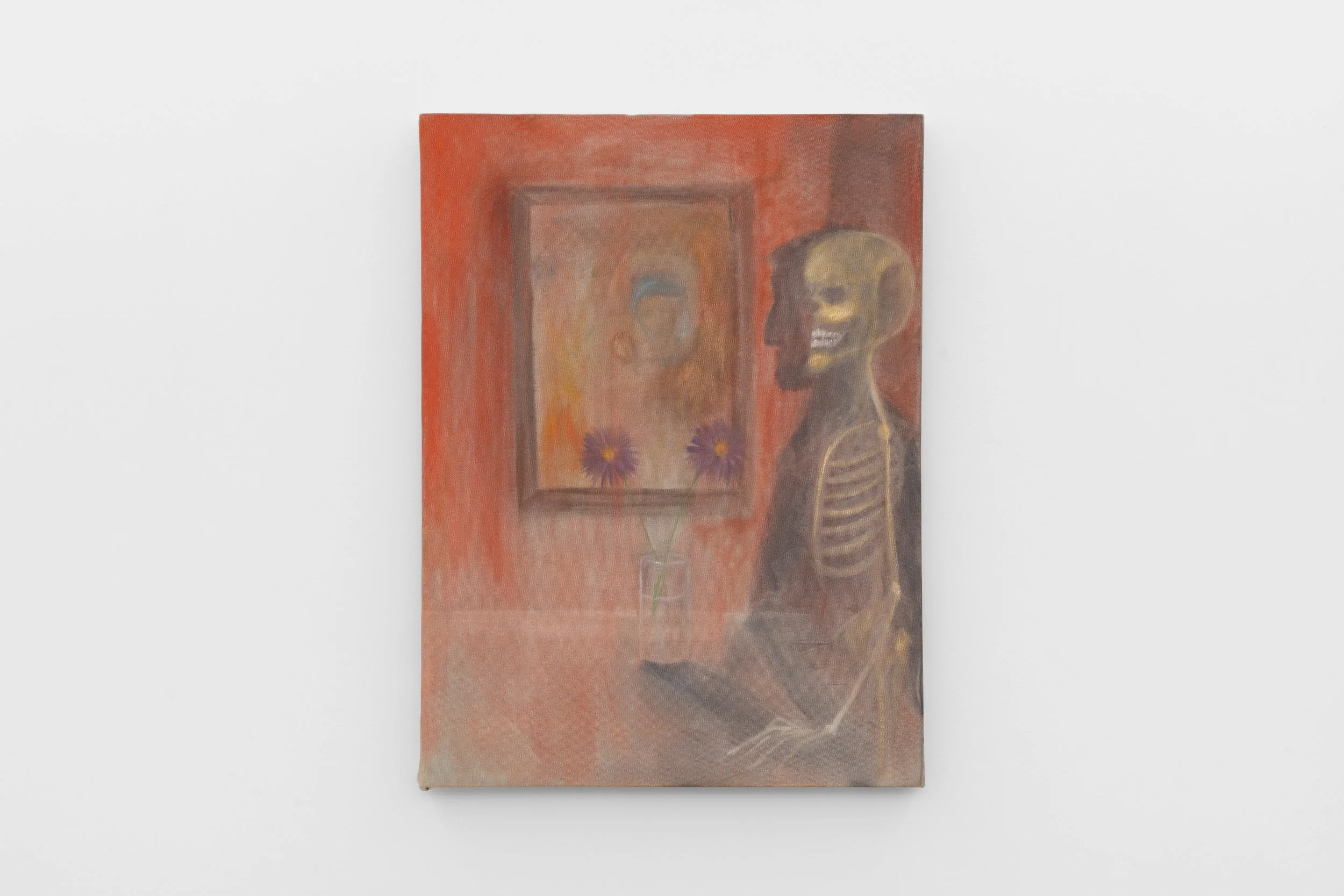
The visual language I use is indeed often situated between dreaming and reality. However, I wouldn’t say this language stems from my actual dreams or visions. It is simply the language in which I feel most sincere when I speak. This style is natural to me, not a conscious decision; it emerged as a translation of the reality in which I live, feel, or simply exist.
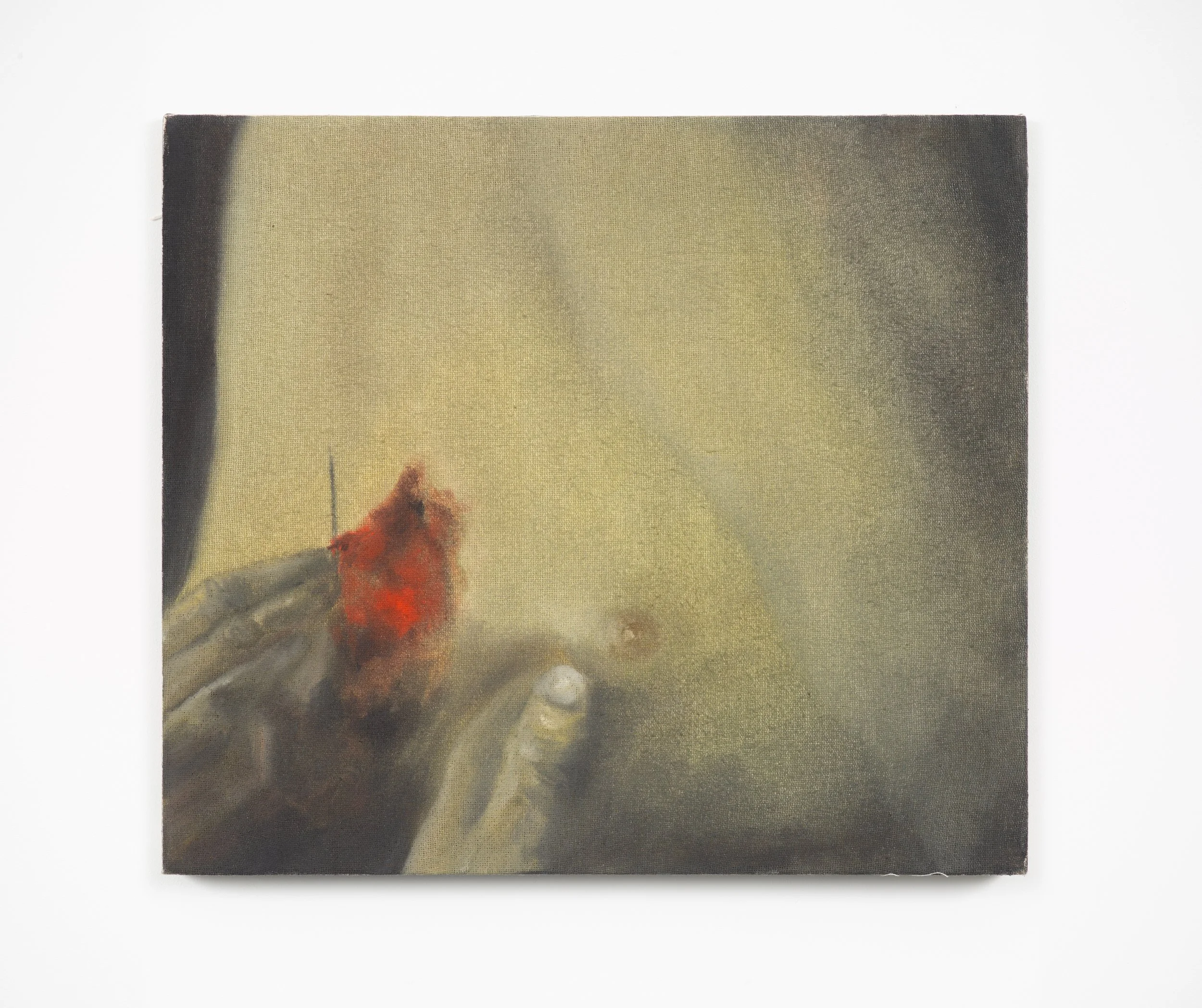
You work across oil, watercolor, pastel and mixed media — does the medium change what you’re
trying to say, or do you choose it after the feeling?
Yes, the materials I work with are definitely linked to my moods. Sometimes it happens that no medium appeals to me at all, and I simply remain silent. Material is incredibly important; it is a weapon of sorts. It doesn’t change what I’m trying to say, but it makes the message more compelling—or, conversely, more stark.
You paint color to color without outlines. Is that a philosophical choice, or something that just felt right at some point and stuck?
Outlines, outlines, outlines... In this world, every outline is conventional. And yes, it is a philosophical choice, and yes, it’s something I felt was right at one point and it stuck. I like both answers—it is a convergence of intuition and philosophy.
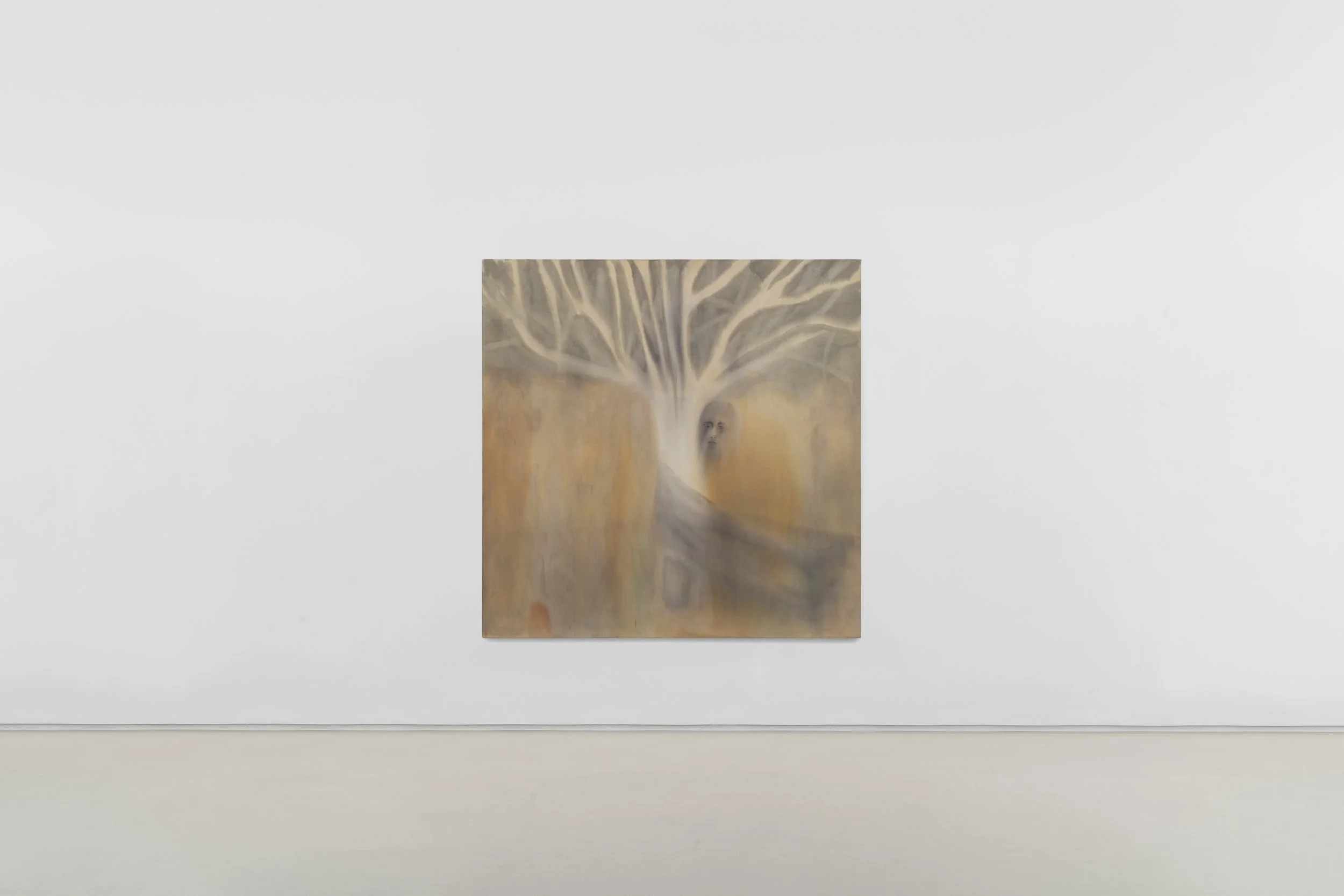
Death, paradise, love, doubt — these are enormous themes. Do you feel burdened by them, or
are they simply the only honest subjects?
These are eternal themes that have defined humanity for as long as we have been self- aware. But they aren’t heavy at all. On the contrary, when I work on these themes, I feel very happy and lighthearted.
Your solo show at Gallery 4710 was called “Sometimes Paradise is a Sad Story” What does paradise look like to you today?
This was my first solo exhibition in Georgia, and it was a very special experience. As for paradise, it truly is a sad story—both then and now. Paradise is sad everywhere, and that isn’t a bad thing at all.
Your Paris exhibition was titled “My voice suspended in the air” — what were you trying to suspend exactly? A moment? A feeling? A question?
This was my first solo exhibition outside of Georgia, hosted by Galerie Lo Brutto Stahl, and it was an unforgettable experience. The title perfectly unified all the works in the show. For me, it wasn’t just about suspending a moment or a feeling; it was about the vulnerability of finding my voice in a new space. It represents that breath you take before speaking—a state of transition where my artistic expression was hanging in the air, waiting to be heard and felt by a different world.
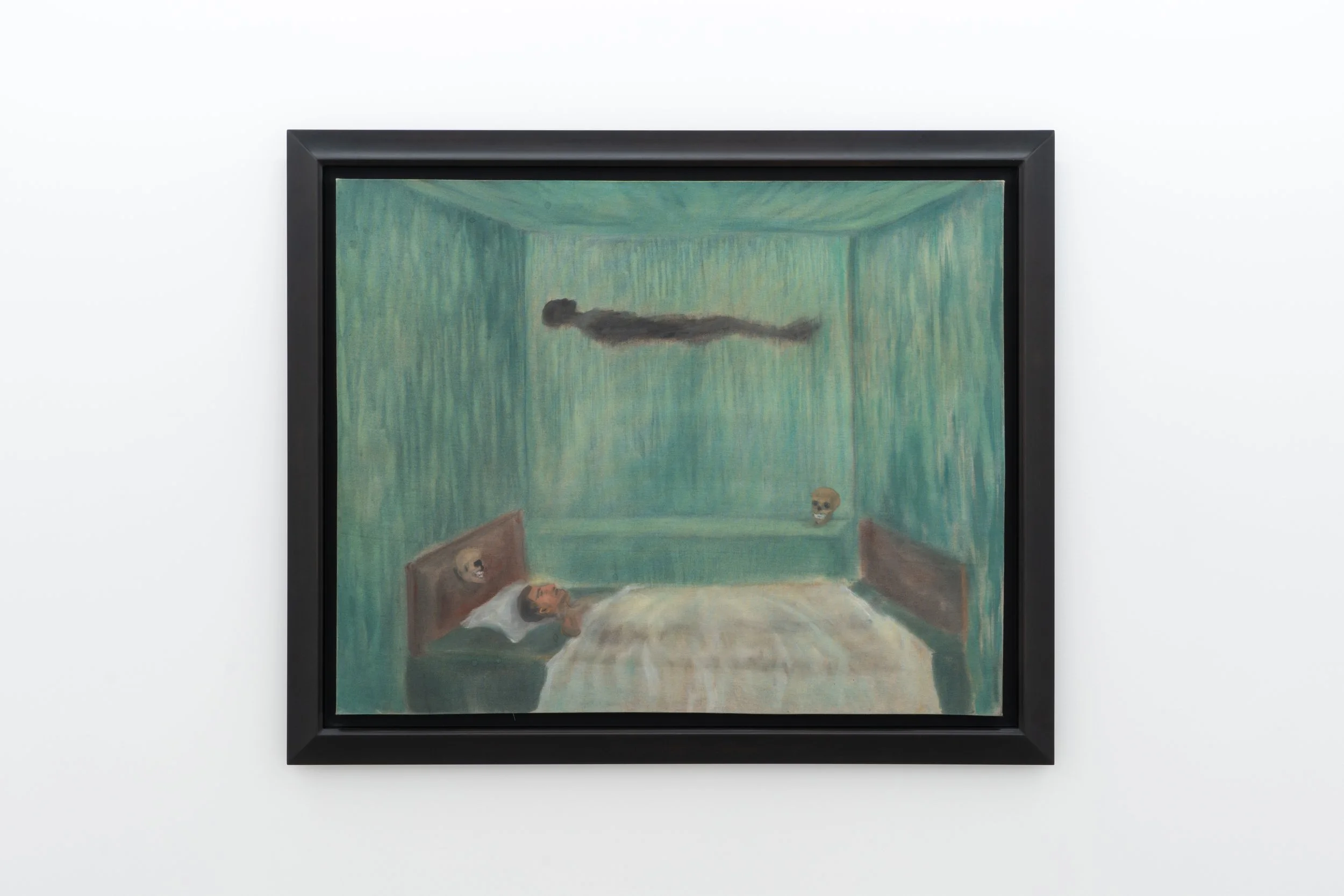
You still live and work in Tbilisi while exhibiting in Paris and New York. Does staying matter to
you?
Actually, my situation has changed recently—I have moved to the Paris area and set up my studio at POUSH. However, physical location is less important than the internal landscape.
Tbilisi is where my artistic vision was born, and it remains an inseparable part of me. Staying connected to Georgia isn’t about geography; it’s about the memory and the emotional texture that I carry with me everywhere.
Georgia has a very specific art history — from icon painting to the Soviet period. Do you feel in dialogue with that lineage, or are you trying to step outside it?
It’s impossible to ignore such a rich heritage; it’s in my DNA. I don’t consciously try to distance myself from it, nor do I strictly follow it. Instead, I feel I’m in a silent dialogue with the Georgian tradition of color and expression—from the ethereal light of icons to the bold sincerity of the 20th-century Georgian painters. I’m not trying to step outside of it, but rather to translate that inherited emotional depth into my own contemporary, personal language
How has the reception of your work changed between Tbilisi, Paris, and New York? Does the
same painting mean different things in different cities?
A work of art gains a different meaning not only depending on the city where it’s shown, but with every individual who stands before it. Each person brings their own history to the painting. Being in Paris now, I feel there is a much vaster space for art—not just physically, but culturally.
In a place with such a deep-rooted appreciation for visual language, the dialogue between the work and the viewer feels more expansive. While a painting might carry a sense of nostalgia in Tbilisi, in Paris or New York, it might be interpreted through its formal qualities or a more universal emotional lens. The context changes, but the core sincerity remains the same
What are you working on right now that feels new, even uncomfortable, for you?
I’ve recently settled into my new studio at POUSH, and I feel a new chapter of my creative life is beginning here. As for discomfort? It doesn’t exist for me when I am creating.
On the contrary, the very reason I work is that the creative process is the only place where I feel no discomfort at all. I don’t just mean the studio as a physical space, but the entire state of being that emerges while I work—it is my only space of complete clarity and ease