Between memory, movement and abstraction : an interview with Joël Bigaignon
Born in Mauritius and shaped by experiences across Mauritius, France and Denmark, Joël Bigaignon’s practice explores identity, memory, colonial histories and the invisible divisions that shape our societies. Moving between painting, collage and abstraction, the artist creates works where spontaneity and structure constantly collide.
Before turning to visual art, Joël Bigaignon trained in contemporary dance and later worked as a graphic designer—two experiences that continue to inform a practice deeply rooted in movement, rhythm, materiality and observation. His work often combines found and manipulated materials, transforming personal memories and lived experiences into layered compositions that leave space for ambiguity and interpretation.
From the multicultural streets of Mauritius to the questions of belonging raised by migration, his work examines how history continues to live within the present. We spoke with Joël Bigaignon about his upbringing, his relationship to materials, the influence of dance, colonial memory, and the growing role of abstraction in his practice.
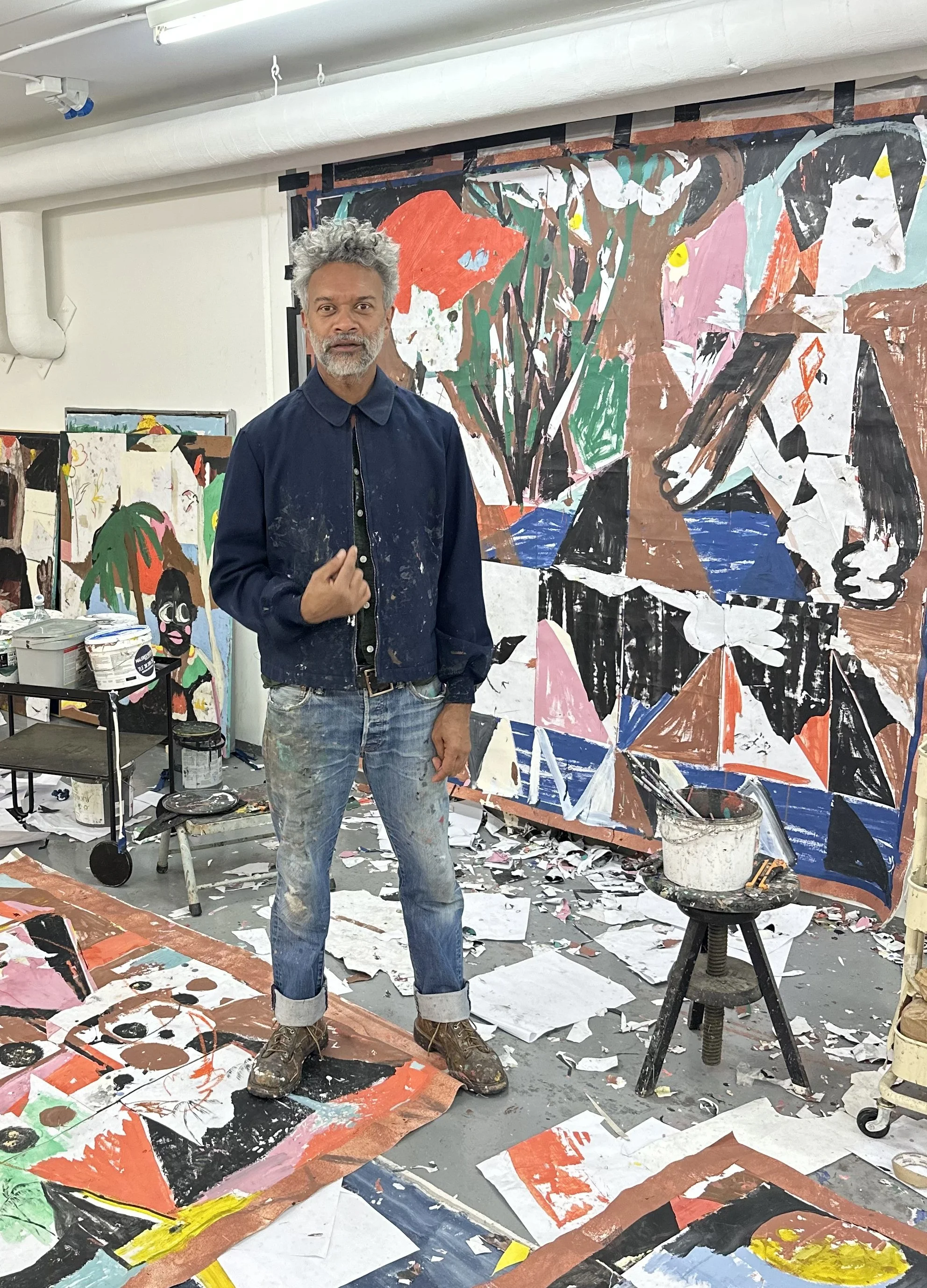
You were born in Mauritius and grew up between several cultures: African, Indian and European. How has this multicultural background shaped your perspective as an artist?
Growing up in mauritius was kind of magical in some ways—an island where cultures, languages, and histories collided and coexisted in the most vivid ways. I remember taking the bus across the island, passing through neighborhoods where indian/african descent vendors sold fruits, vegetables, fish, and all kinds of colorful goods. The air was filled with joy, shouts of prices—laughter, . From the inside bus, i’d see pagodas, mosques, hindu temples, and churches, all within a few miles of each other.
Then, suddenly, the bus would enter the white neighborhoods, with their big villas and metal gates. The vibe was completely different. The workers of indian and african descent coming out of those houses had a different look in their eyes—drained, as if the villas had sucked the life out of them.
That contrast, the vibrancy of the markets versus the stillness of those gated communities, asked me to reflect on the world in layers, to notice the invisible lines that divided people, and to question why some spaces feel alive or empty. From the inside of the bus felt the bus wasn’t moving at all, but that the world outside was the one shifting, like scenes after scenes from a movie. That feeling of movement, of overlapping realities, became a metaphor for my own reflection: a constant blending, a hybridity that refuses to be pinned down.
Today, that experience is at the heart of my work. I layer, juxtapose, and create dialogues between elements that don’t seem to belong together. Mauritius taught me that beauty often emerges from between opposites.
You moved to France at the age of 10, and later to Denmark. What did each geographical move change in your artistic practice?
Every move was a kind of rebirth, a moment where i had to reflect on my own ability to fit in.
Moving from one culture to another also teaches you about emotional behaviour. Experiencing both poverty and wealth makes you question what defines greed, hatred, empathy, love, and ultimately what it means to be free.
These reflections are deeply embedded in my artistic practice.
My work is a way of observing not only these human behaviours, but also my own responses to them—both in everyday life and in the studio. My practice today is a conversation between these experiences—a constant push and pull between impulsivity and reflection, chaos and order.
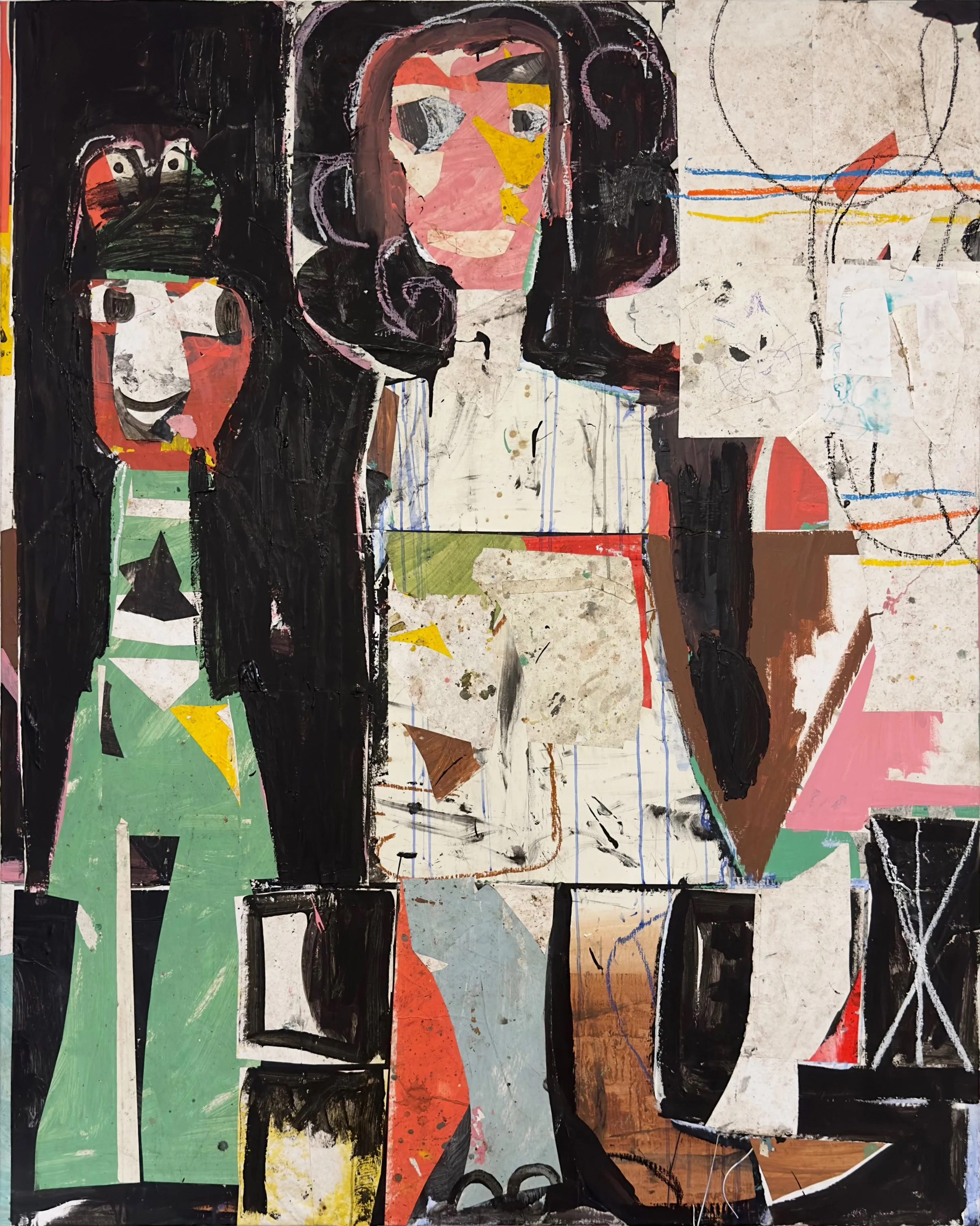
You worked in contemporary dance before turning to visual art. What did the body and movement teach you that painting alone could not have taught you?
I would say discipline. To become efficient, you have to repeat and refine the same movements over and over again. In the end, it is less about mastering technique than about mastering your innerself really.
Dance also taught me how to let go. It helped me quiet the constant noise of the mind and become as present as possible in the moment. When i’m in front of the canvas, i try to process with the same awareness i had while dancing, allowing intuition and movement to guide the process rather than overthinking every decision.
Your use of collage is inspired by house insulation techniques in Mauritius. Can you tell us how this concrete image became an artistic gesture?
Back then mauritius when you couldn’t afford conventional building materials, you would improvised with whatever was available. Out of necessity came creativity. Poverty demanded resourcefulness, and finding affordable solutions for your house became a way of surviving.
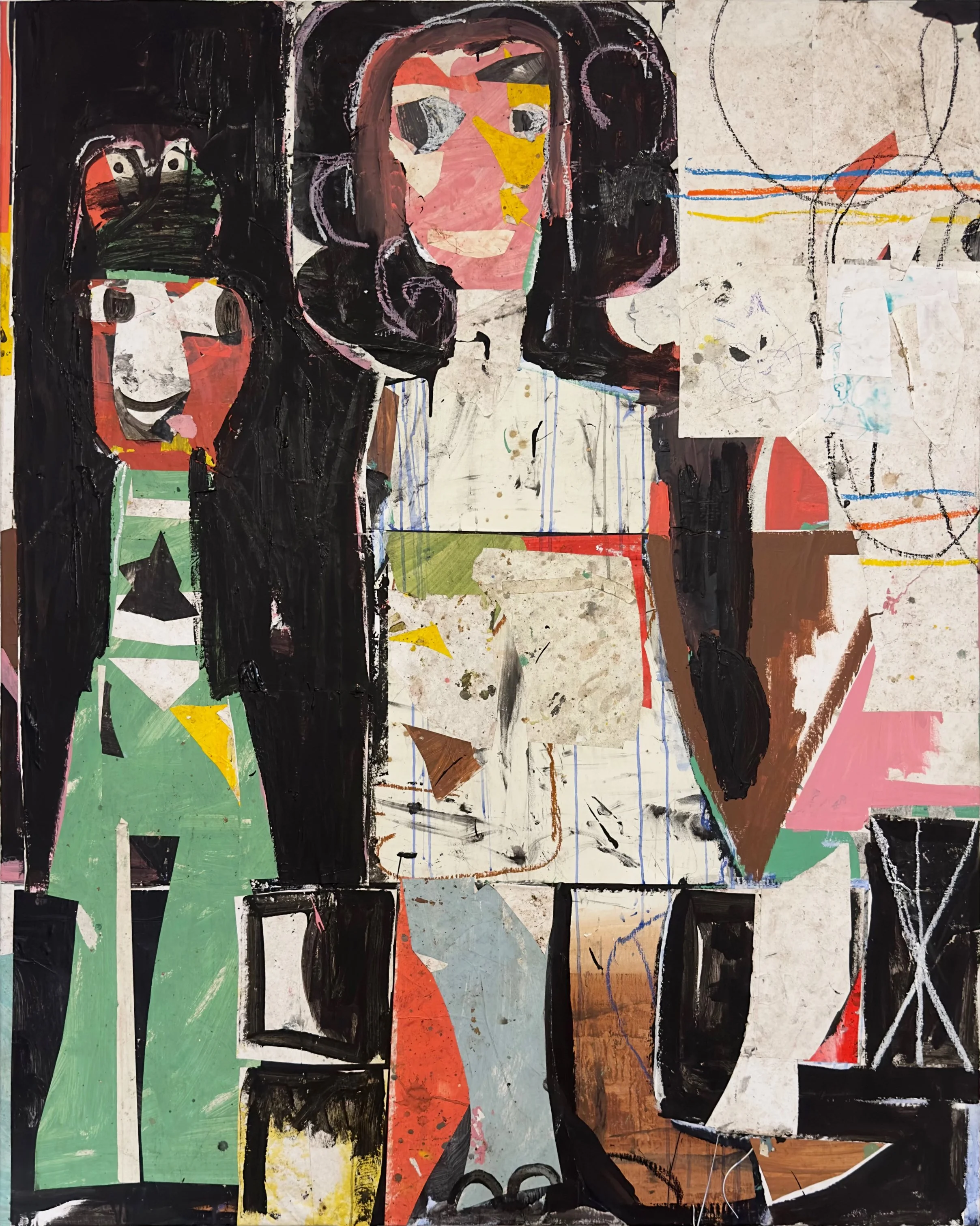
That time frame influenced my relationship with materials. It taught me not to be precious or attached to a single way of making. Collage gives me a sense of freedom, flexibility, speed, and spontaneity. It allows accidents to become part of the work and encourages constant transformation. In many ways, working with collage also gives me the feeling of coming home or my own introspection.
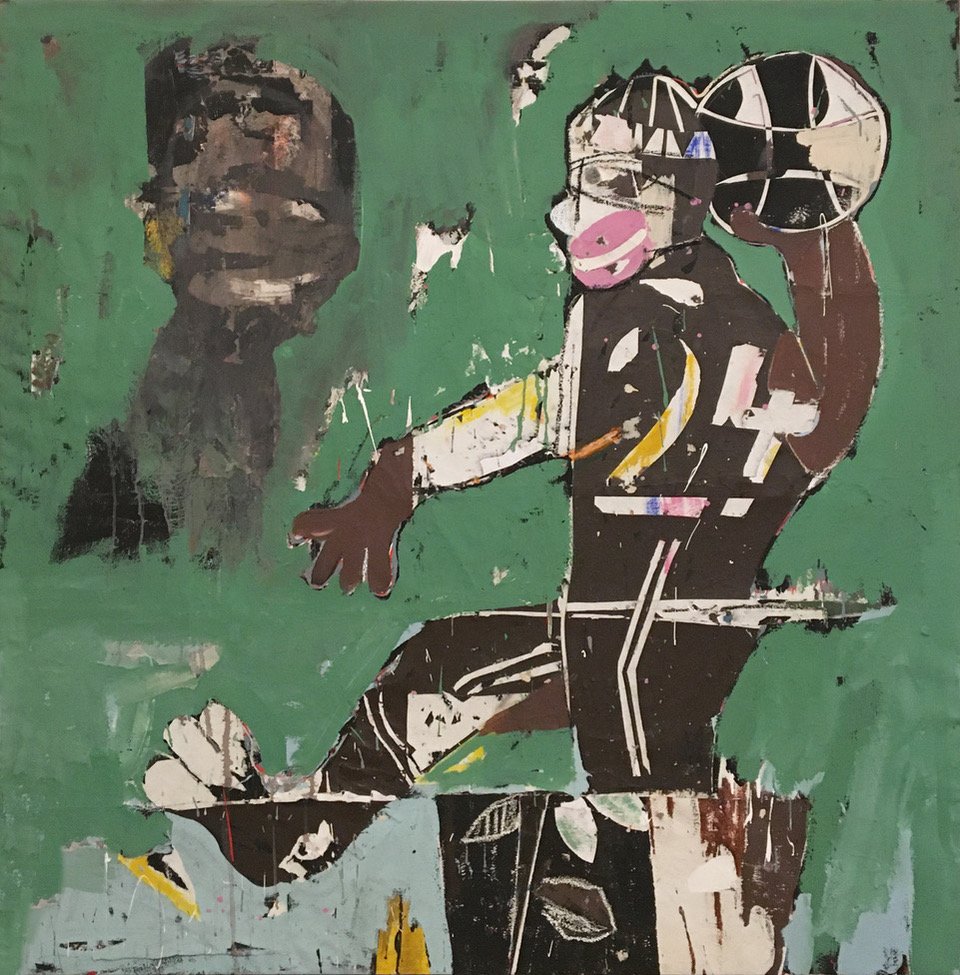
Your work plays with a tension between control and spontaneity. How does this translate concretely into your day-to-day working process?
Before becoming an artist, i worked as a graphic designer, where you have to communicate a clear message within a creative framework. I became fascinated by grids. Understanding structure actually gives you more freedom to expand your creativity.
My process moves constantly between order and instinct. I think of it like breathing: inhale, hold, and exhale. First comes the spontaneous gesture, then a moment of reflection, where the mind takes over to refine the work.
What “reclaimed” or unconventional materials do you use, and what drives you to move beyond traditional mediums?
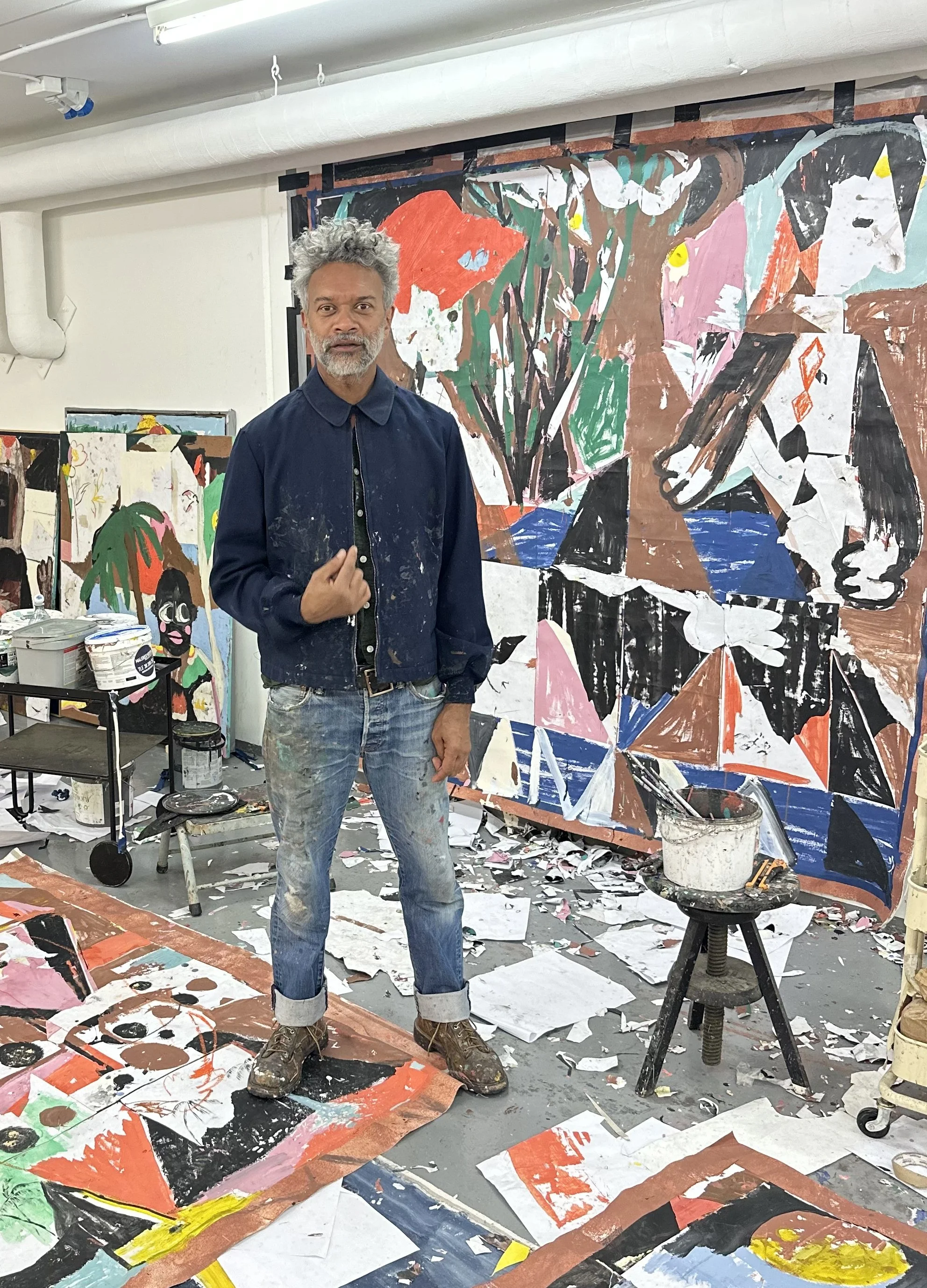
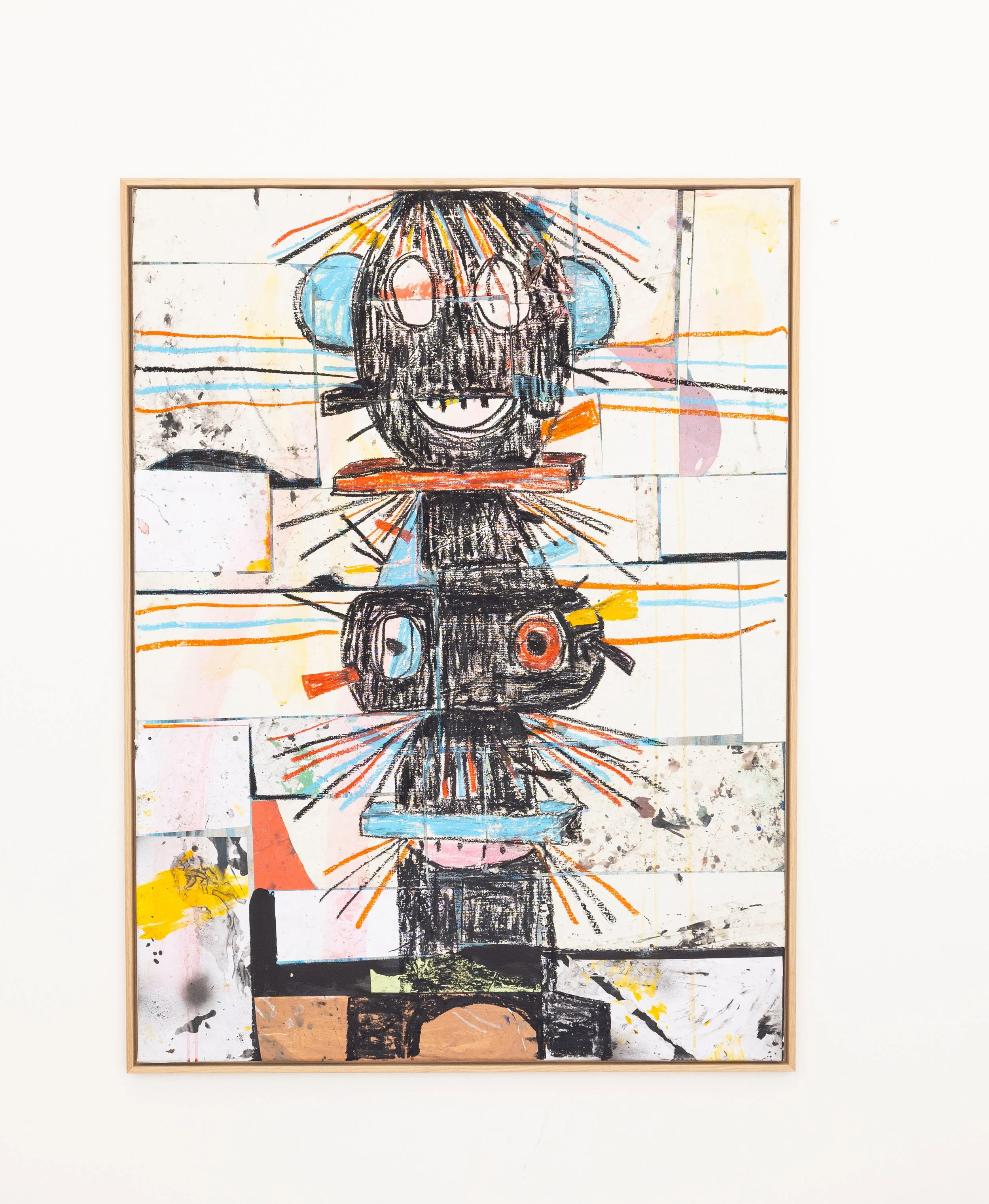
Paper has become an essential tool in my practice. I glue it, paint over it, tear it away, and cut through layers directly from the canvas. I love that intimacy with the surface, that physical connection that allows me to transcend the boundary between painting and sculpture.
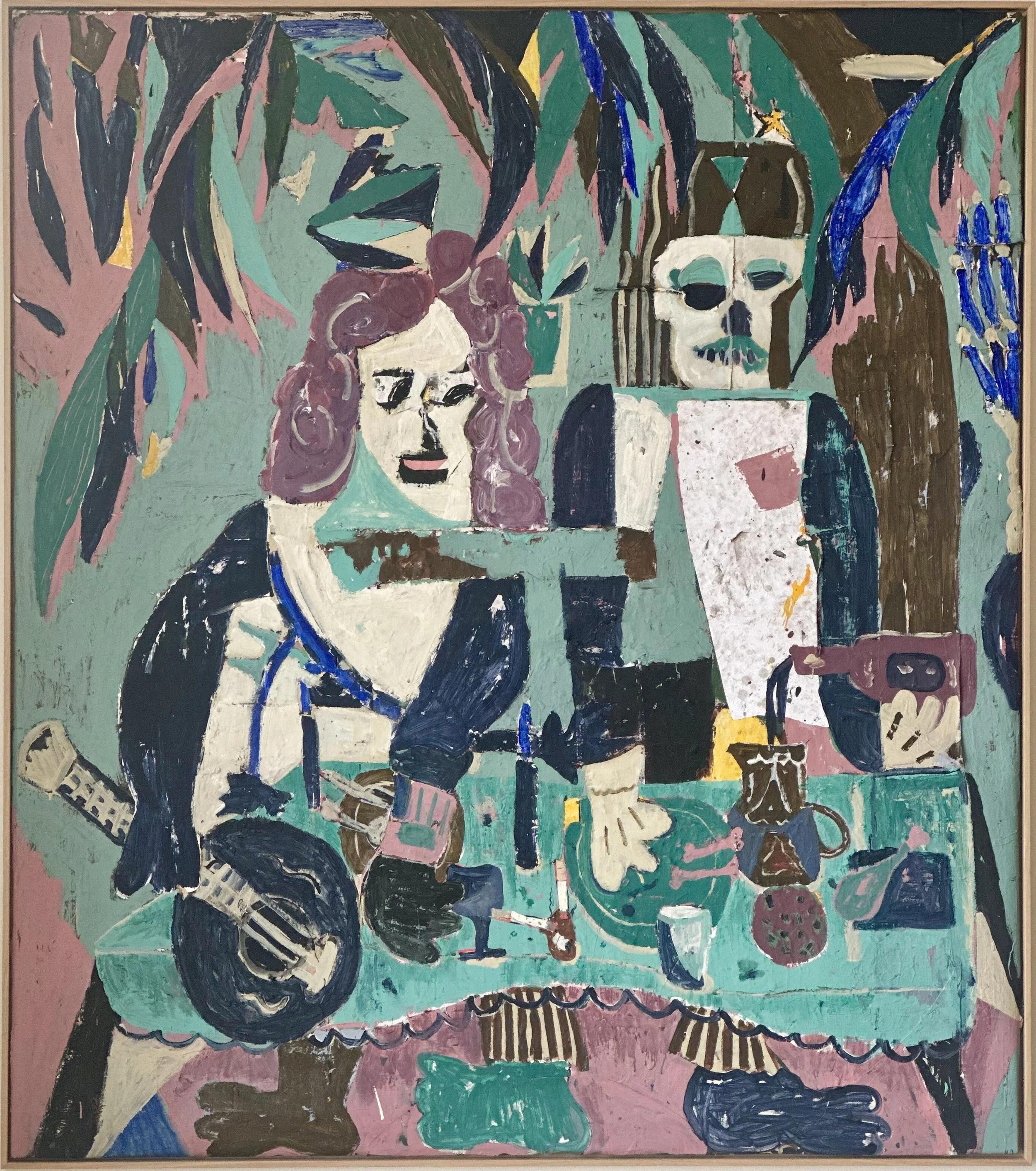
Your work explores the mutations of colonialism and its impact on history, politics and religion. Was there a particular event or personal memory that triggered this exploration?
Growing up in mauritius, i became aware of invisible divisions. There were schools for children of colour and others attended mainly by white children. I rarely saw those worlds mixing in everyday life. In many ways, my own parents represented one of the few places where those different narratives coexiste.
From an early age, i found myself wondering what it would be like to live one day in a predominantly white society. That curiosity later became a way of questioning how colonial history continues to shape our perceptions, our relationships, and our sense of belonging.
My work doesn’t try to illustrate history, but do extrac some of my own memories from that time—it explores how traces remain present in everyday life and how I see them now as an adult
How do you prevent these heavy subjects from becoming overly didactic in a visual artwork?
Humour, playfulness and a sens of carelessness allows me to distort reality just enough to create another way of seeing it. Rather than telling people what to think, i prefer to create situations that invite different interpretations.
Ambiguity leaves room for the viewer to enter the work with their own experiences.
Is there a particular work that best encapsulates your current approach, and why?
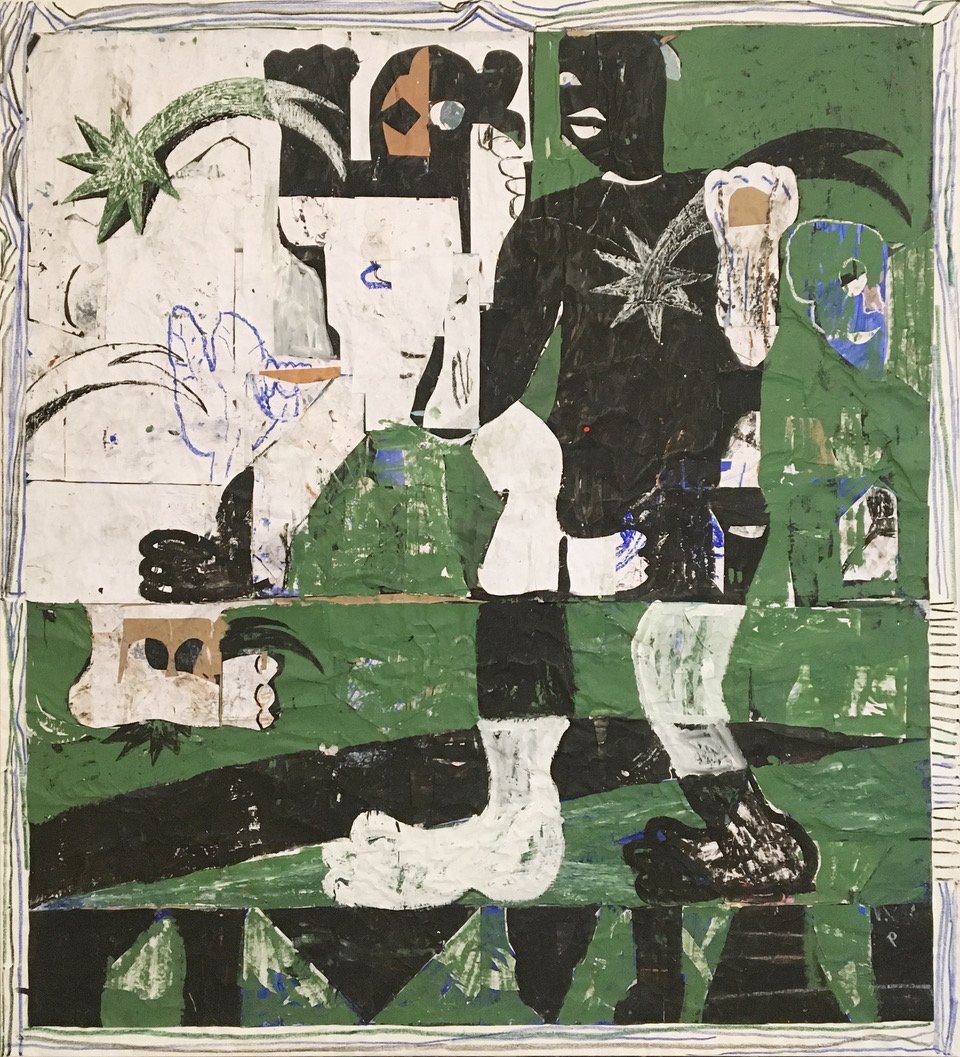
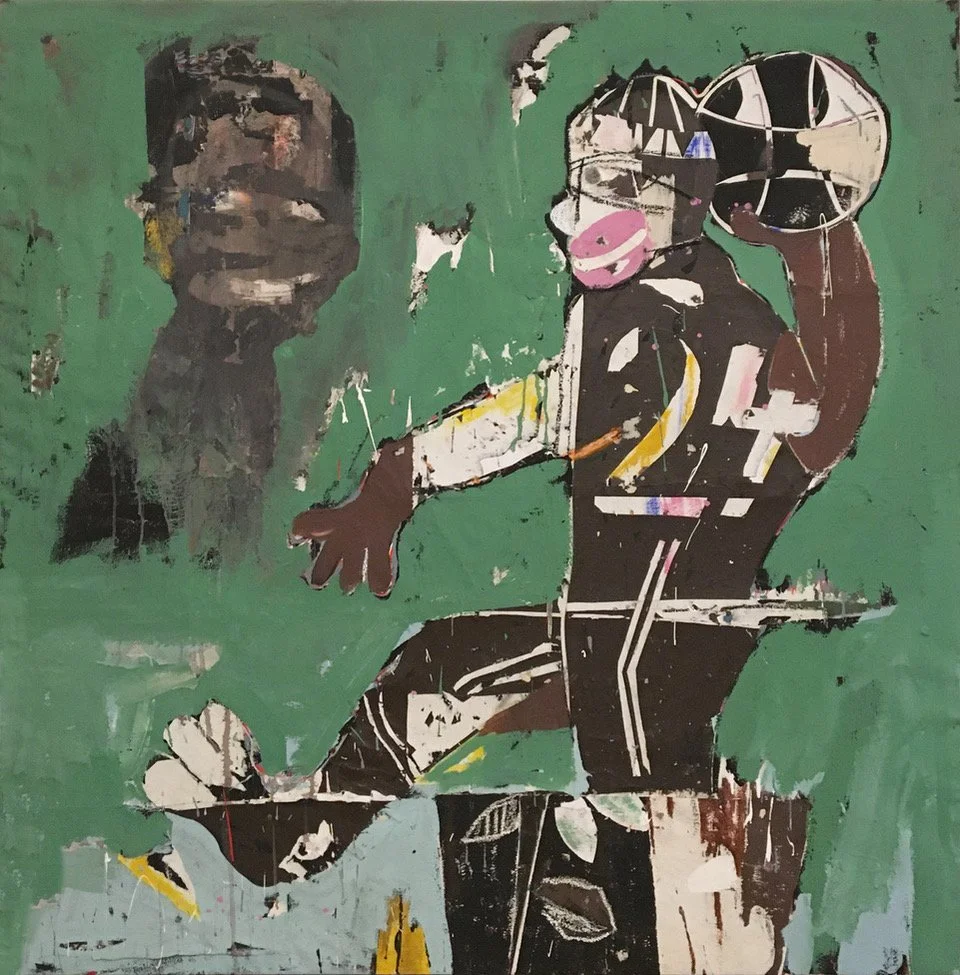
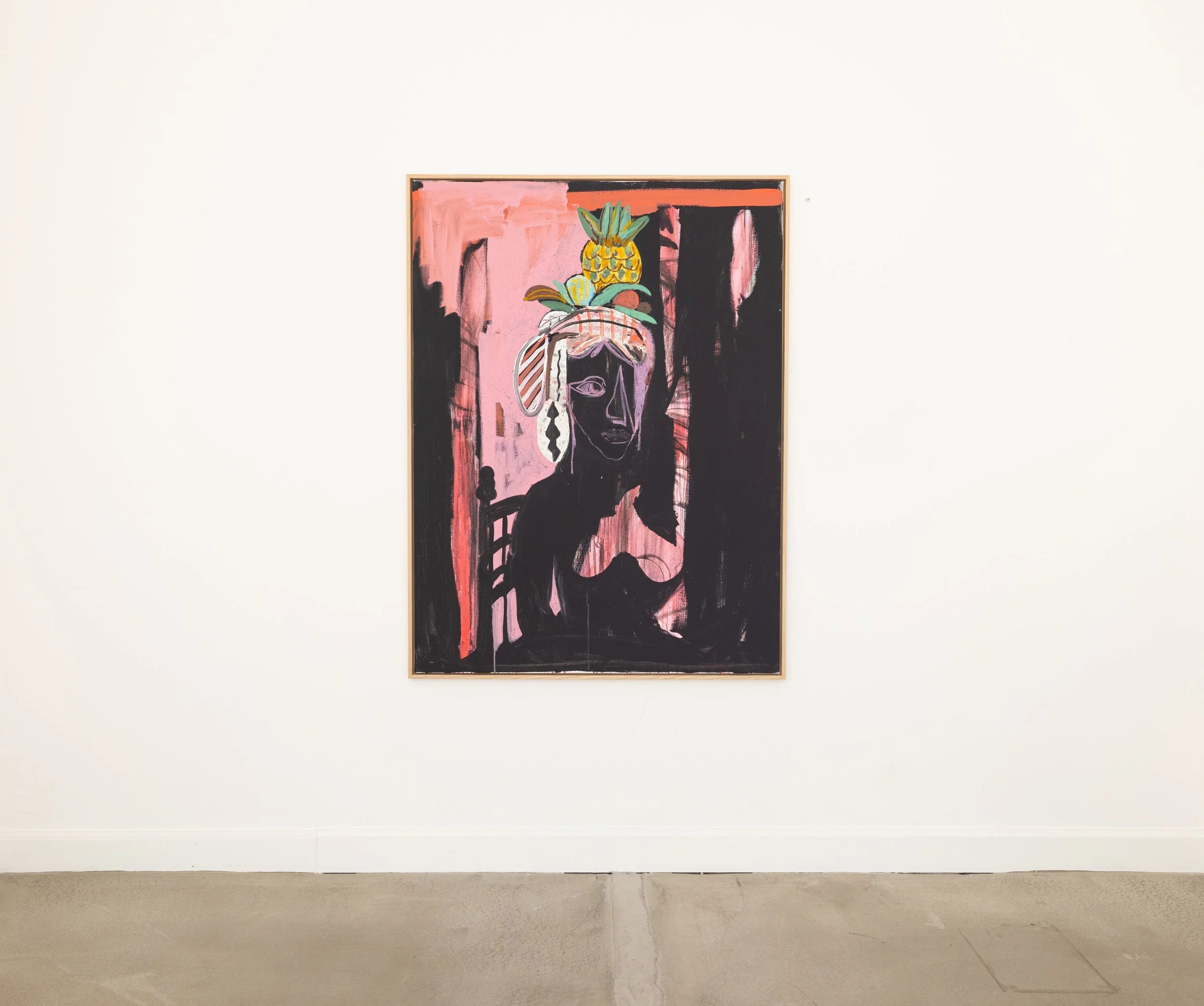
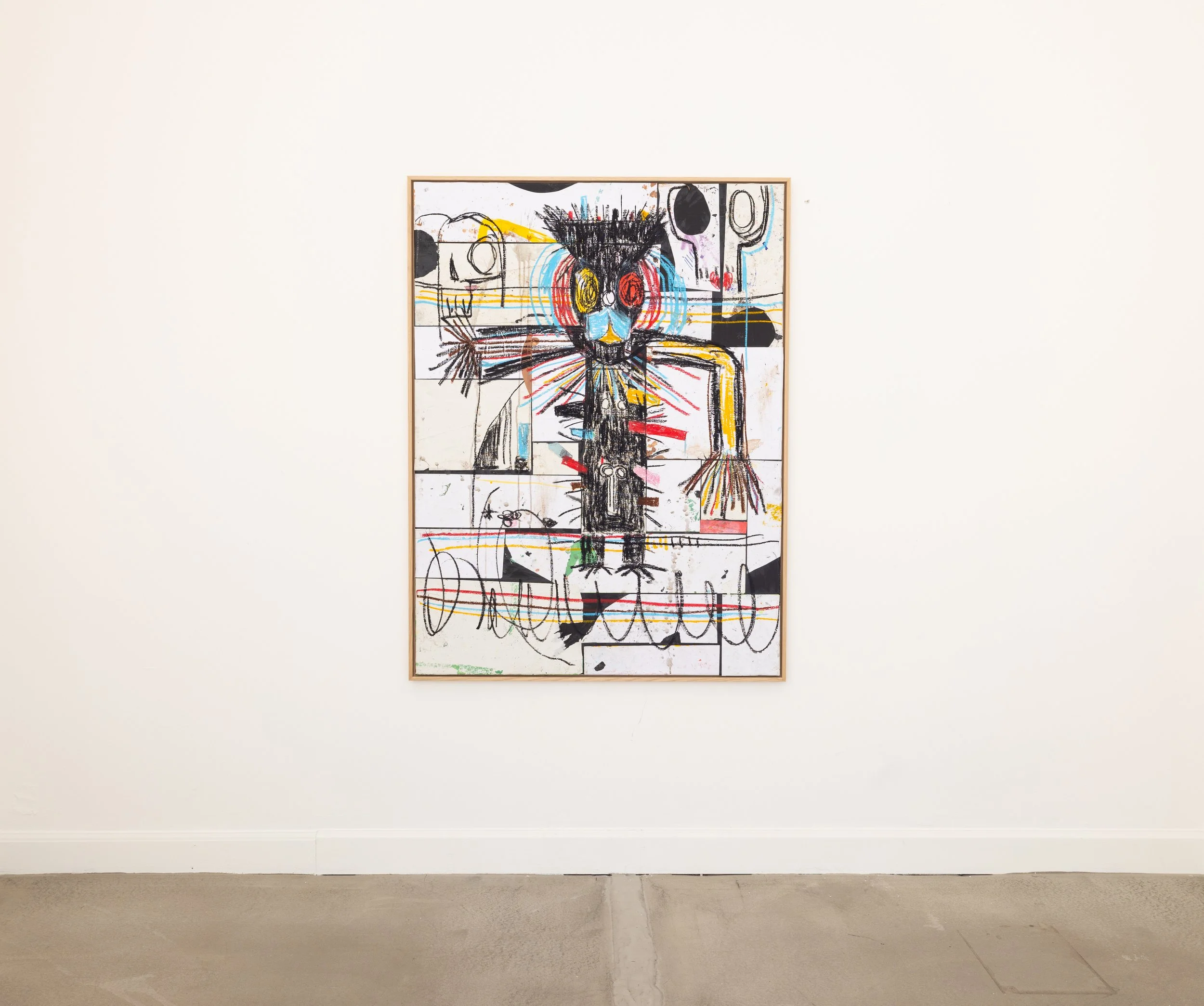
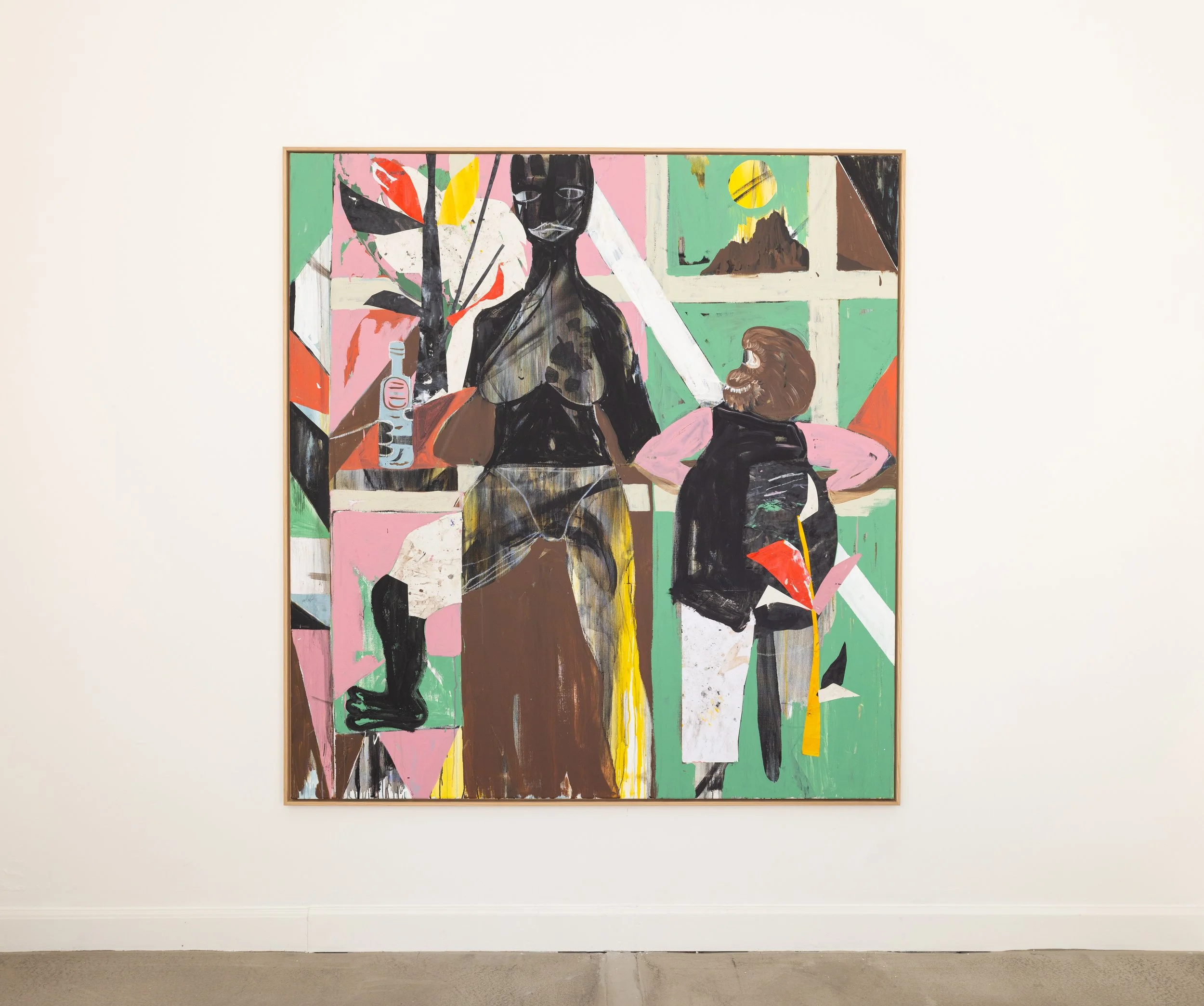
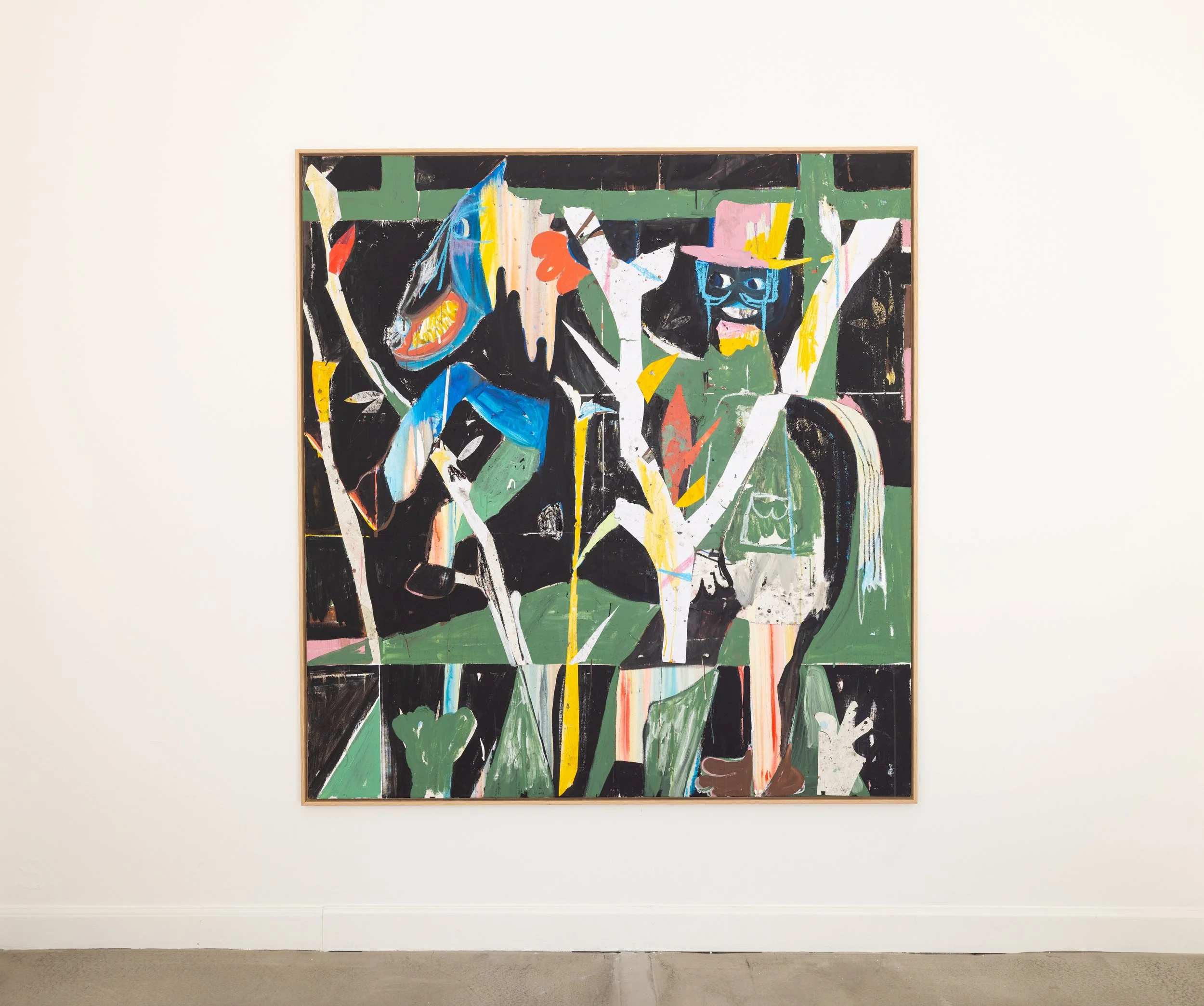
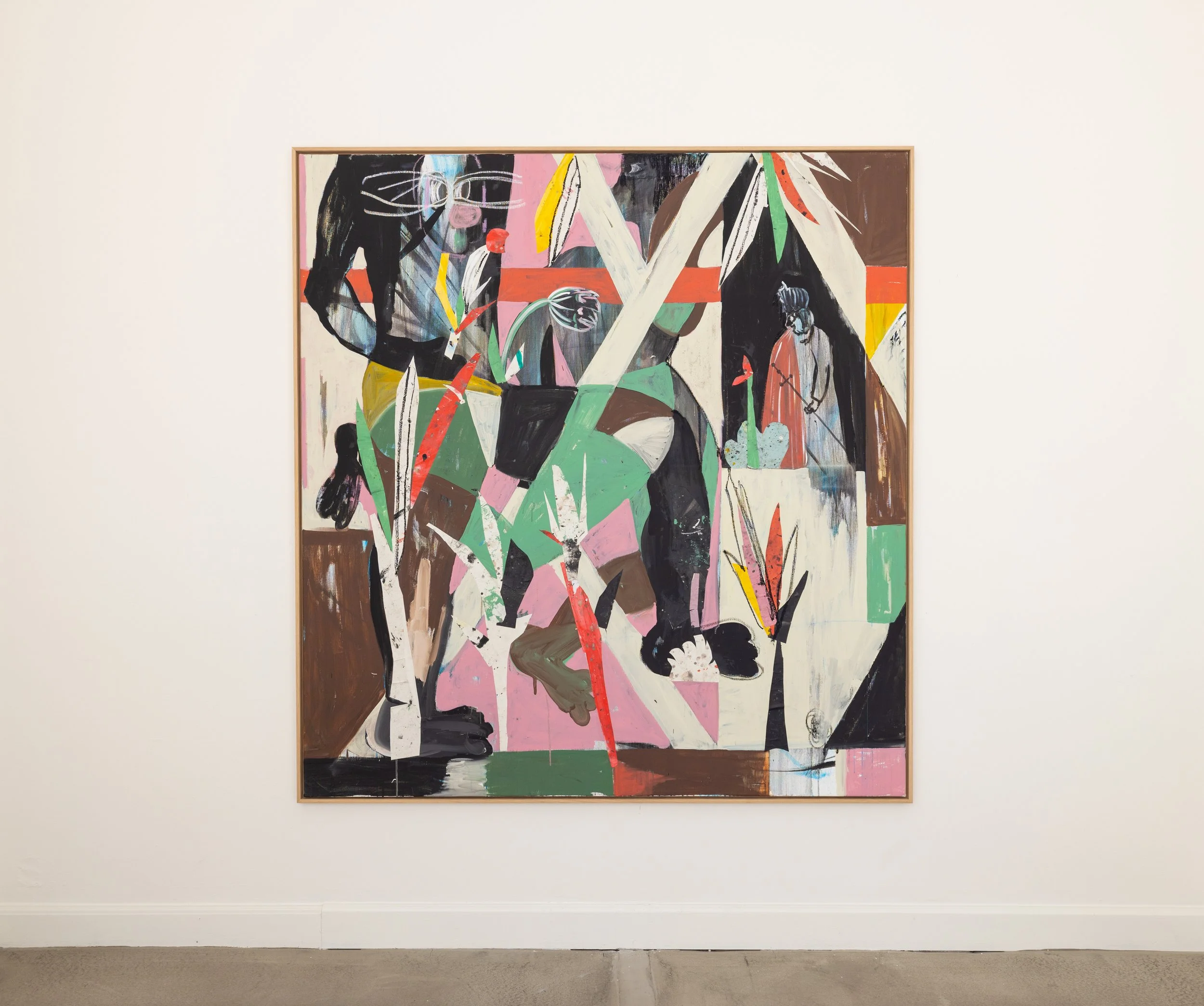
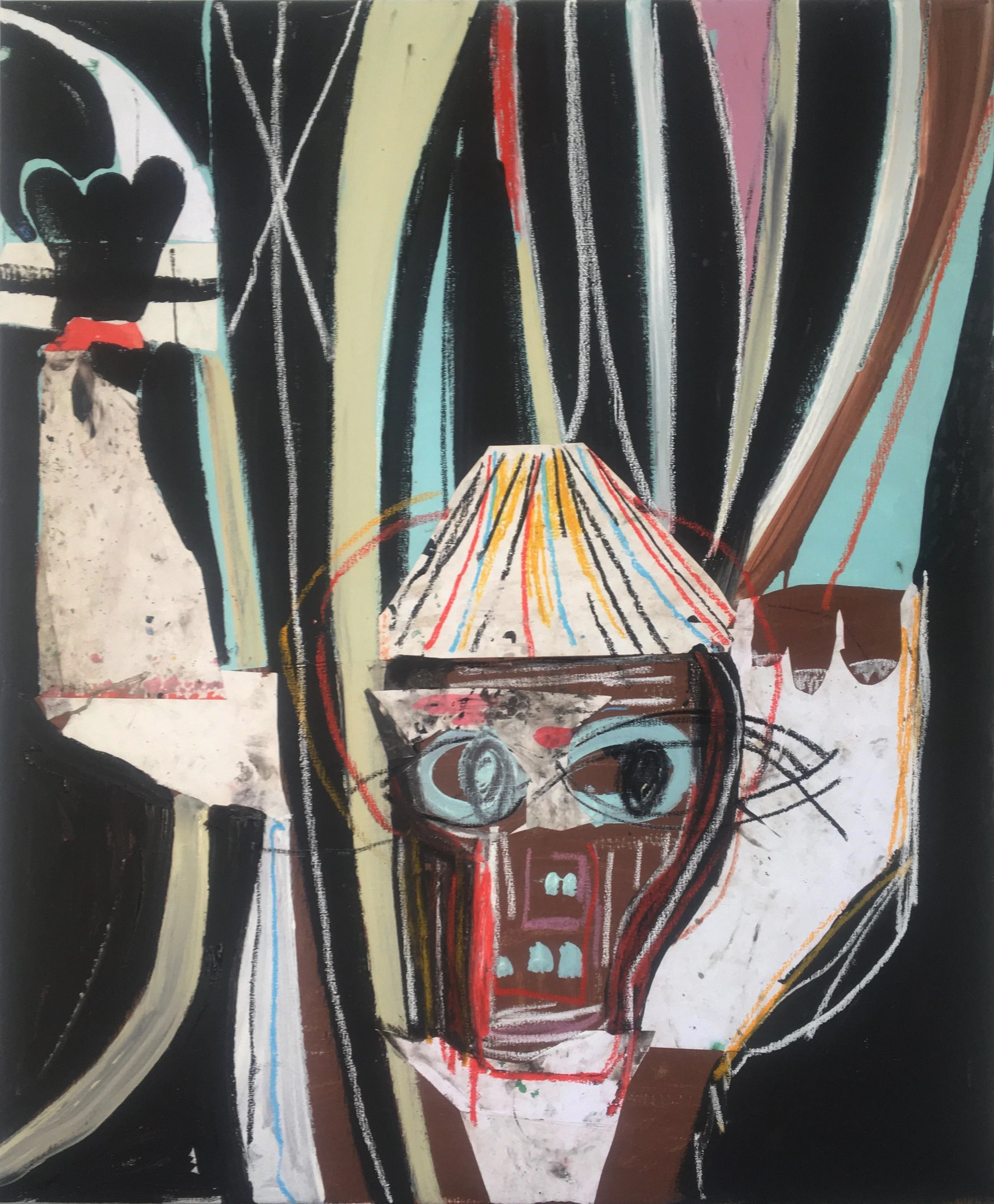
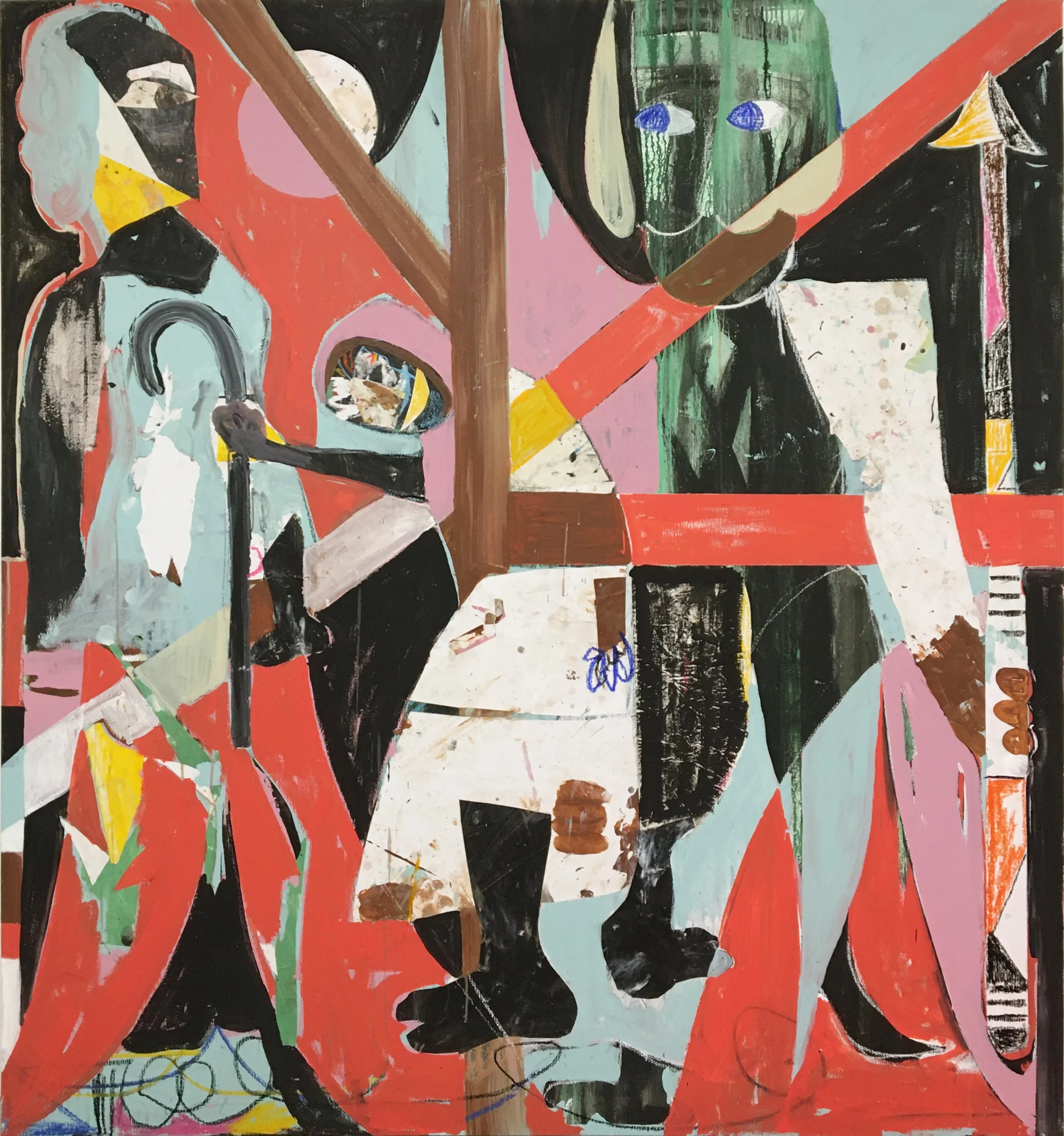
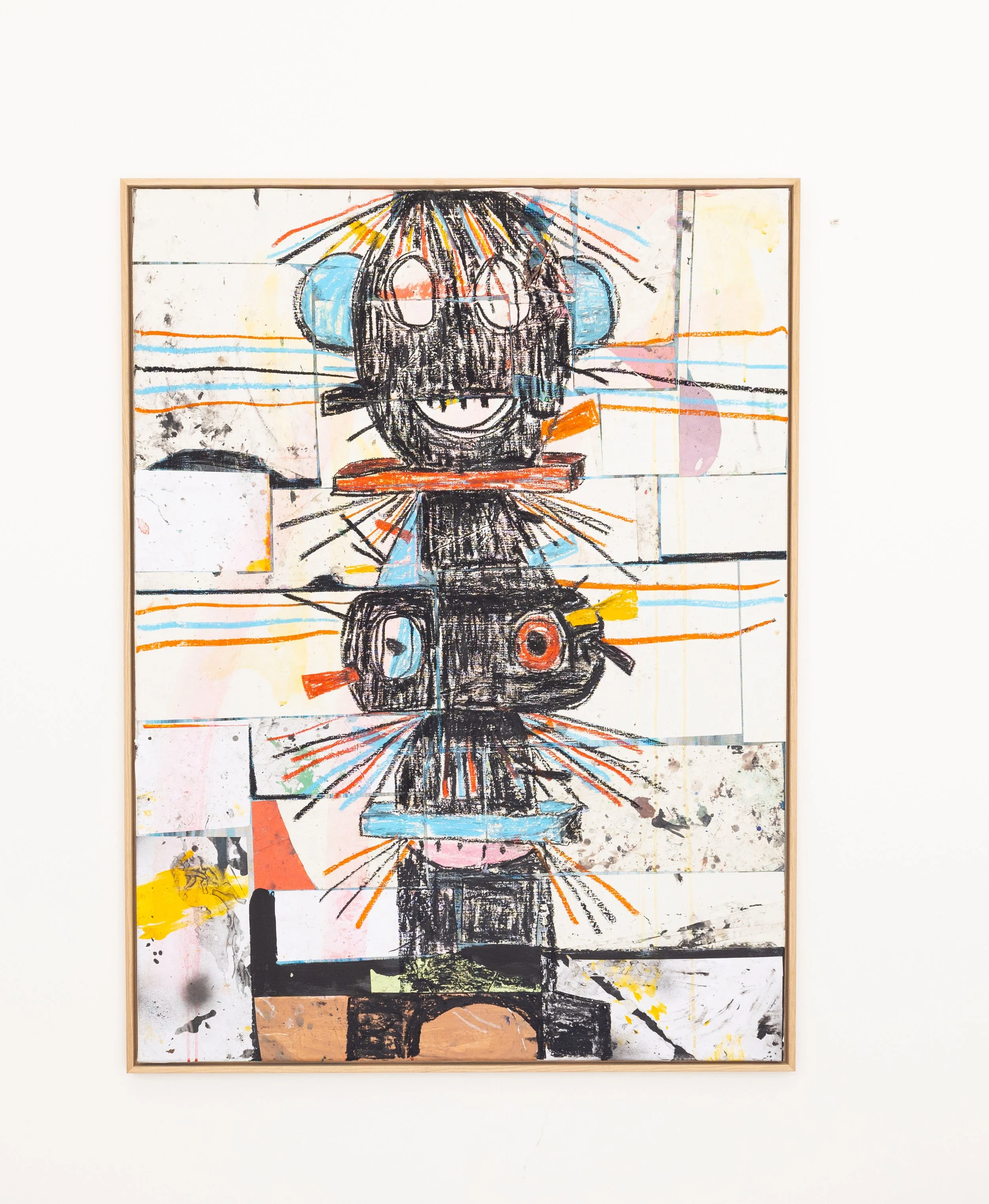
Mmh...! They are all fragmentation of my own memories, but right now, pieces like “unexpected blue” and “per di nwar (afraid of blackness)” are especially present in my mind.
These works deal with the gap between reality and perception. One explores the hypersexualisation of black women through the white male gaze, while another refers to the familiar gesture of of non collared person crossing the street because a black person is walking towards them. Reality itself doesn’t interest me as much as perception does—how we construct meaning, fear, and desire through inherited narratives.
“Per di nwar,” in particular, tackles the fear of blackness, the fear of the other, the fear of the self. It’s a work that embodies me, politically poetic.les émotions, demeure au cœur de ma démarche.
You have exhibited in London, Los Angeles, Copenhagen and Paris. Which art scene surprised you the most in the way it received your work?
Denmark surprised me the most. I wasn’t expecting my work to be received so warmly, especially because there are relatively few artists of colour represented on the danish art scene. It made me realise that the questions my work raises could resonate across very different cultural contexts.
What has changed in your practice from your early beginnings to today?
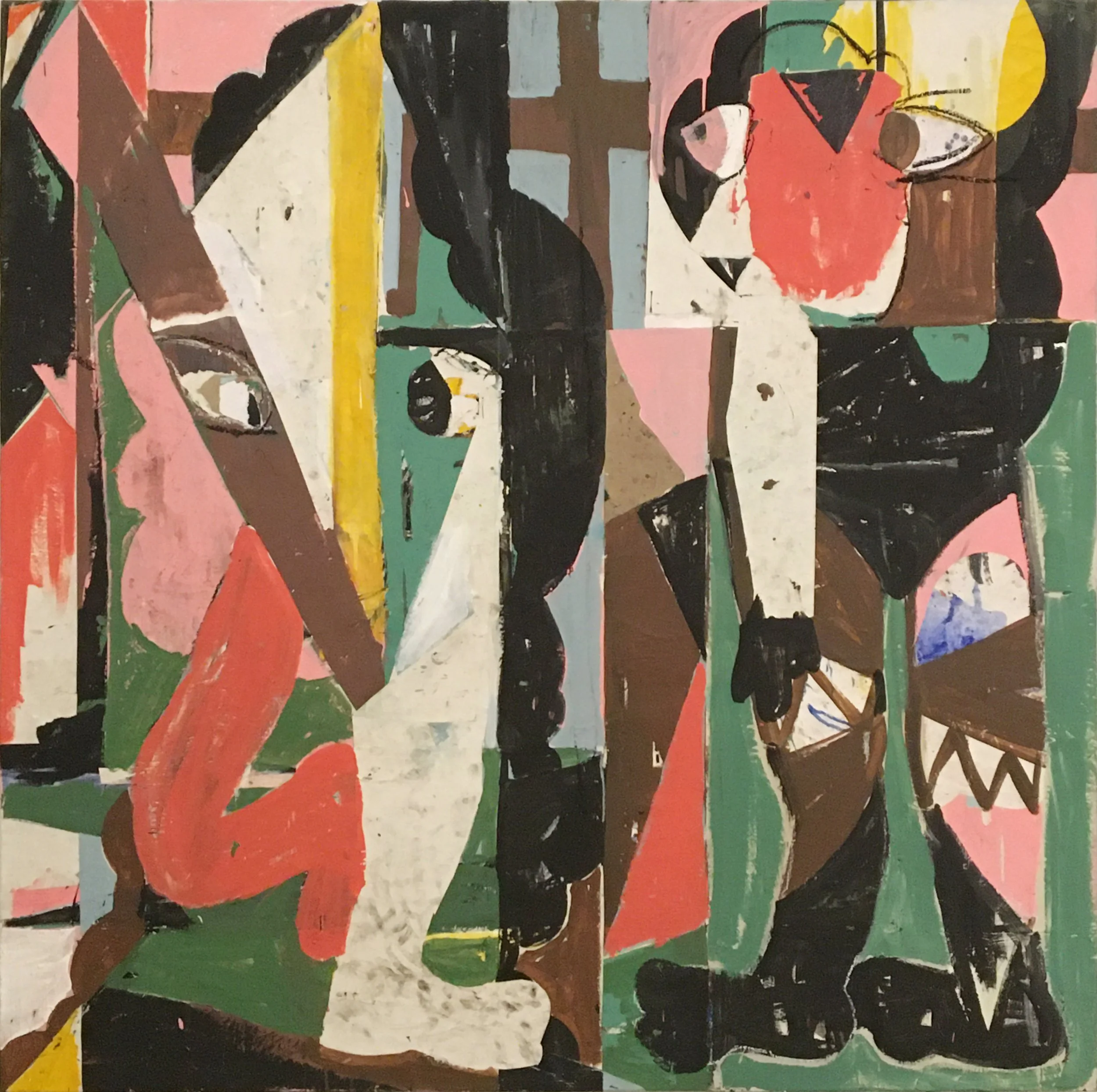
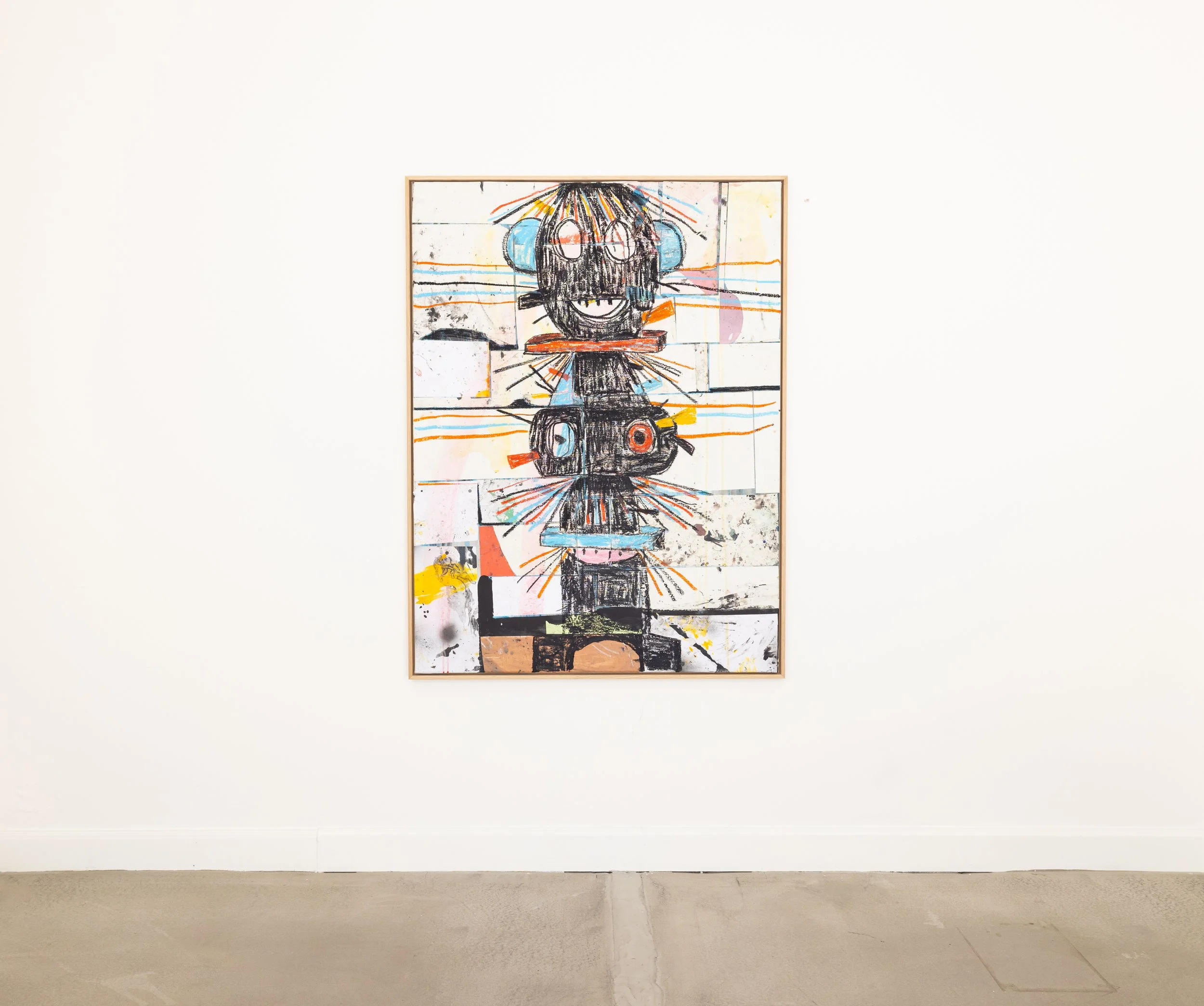
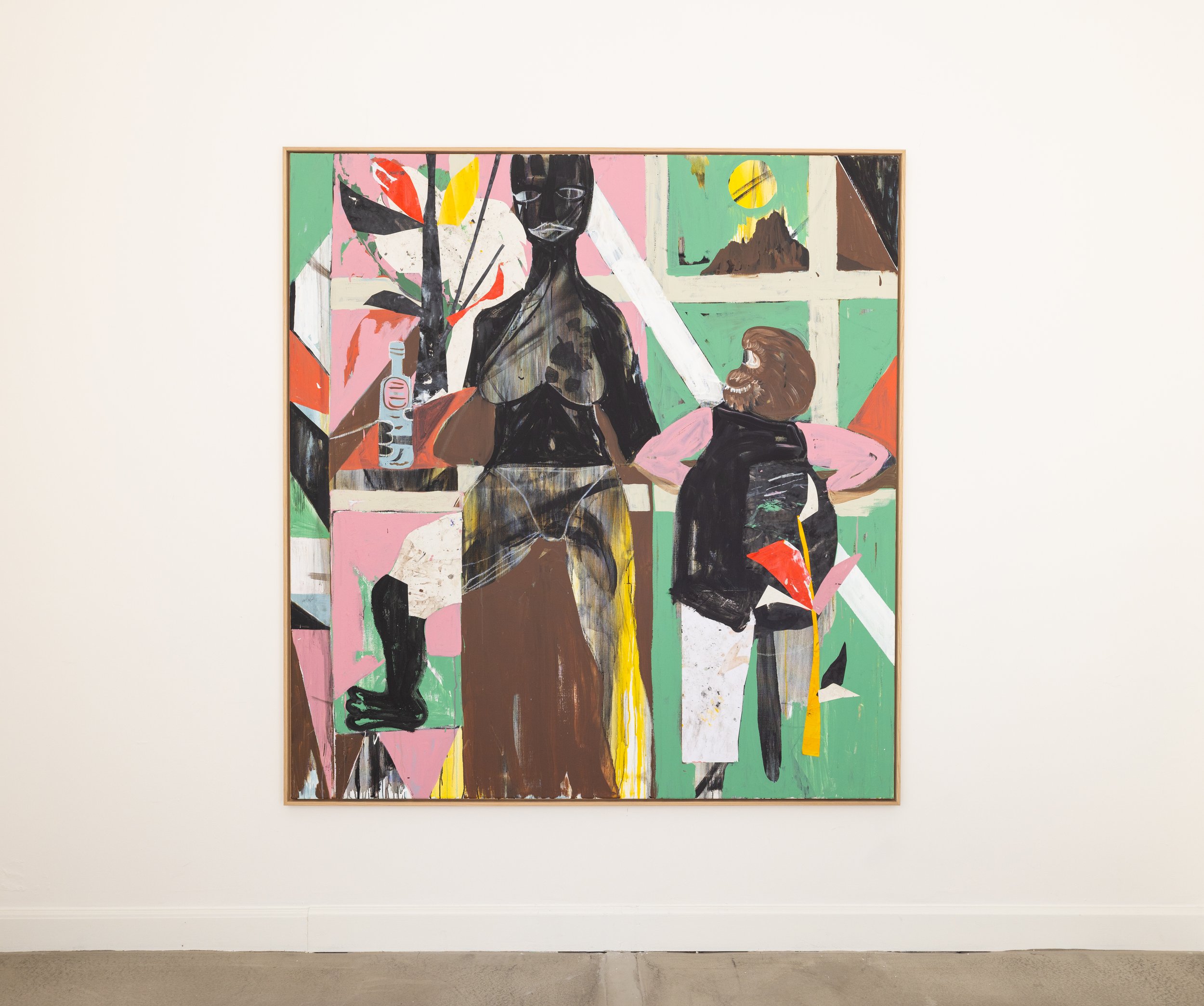
My fascination with abstraction has grown stronger over the years. I’ve been flirting with it for a long time, but now i´m allowing it to take more space in my work.
I’m becoming more interested in what can be suggested rather than described, and in how abstraction can carry emotion, memory, and political meaning without becoming illustrative.
What are you currently working on, and where do you want to take your practice next?
At the moment, i’m preparing a group show for Madrid and a duo exhibition in Denmark for september. Alongside these projects, i’m continuing to experiment with abstraction and pushing my practice further in that direction.